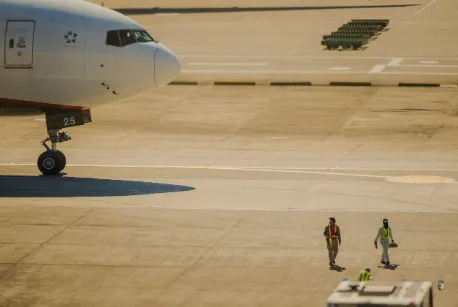
Taking care of airplanes takes a lot of effort and precision. Mechanics spend hours checking every inch of a plane to keep flights safe. It is a big job. Tech makes this process much smoother. New tools change how crews handle routine checks and complex repairs.
Maintenance becomes faster and far more accurate. People working on planes have better ways to spot problems before they happen. Let us look at exactly how things are improving on the runway.
Sensors Predict Part Failures Early
Airplanes now carry smart sensors that monitor operations constantly. These tiny devices track pressure and temperature across the entire plane. They notice slight changes long before a pilot feels anything unusual. The plane sends this data straight to the ground crew.
Mechanics know exactly what to fix before the plane even lands. They prepare the right tools ahead of time. This proactive setup stops delays. It keeps planes flying safely and efficiently.
Drones Inspect the Fuselage Safely
Checking the outside of a massive plane used to take hours of climbing and scaffolding. Mechanics had to set up tall ladders just to look at the wings. Sometimes they might need to look for heavy-duty aircraft jacks for sale to lift sections safely for inspection.
Drones fly around the plane and take high-resolution photos of the exterior. They capture clear images of the highest points without anyone leaving the ground. Ground crews review these detailed pictures on tablets. The images show tiny cracks that human eyes might miss.
A trusted supplier like Pilot John offers equipment that pairs well with these modern routines. Combining smart drone imagery with proper ground tools creates a safer work environment. Mechanics stay safely on the ground while the drone does the hard climbing.
Digital Logbooks Replace Paper Trails
Every repair must be written down and saved for safety records. Old paper logbooks often got damaged or lost during bad weather. Spilled coffee or cockpit leaks ruined important maintenance histories. Digital logbooks store all this data securely on cloud servers.
Mechanics type their notes into a tablet immediately after finishing a task. The record is saved forever, and anyone can read it from anywhere. This clear history helps teams track past repairs flawlessly.
3D Printing Spares On-Site
Waiting for a rare replacement part keeps a plane grounded for weeks. Shipping specialized parts across the world costs a lot of money and wastes precious time. Teams now use specialized printers right in the hangar. They print the exact plastic or metal piece they need in just a few hours.
This local creation gets the plane back in the air the very next day. Hangar teams save time and avoid massive shipping fees.
AI Analyzes Engine Vibrations
Engines produce specific vibrations when they run perfectly. Any change in that rhythm means a part might be wearing out. Artificial intelligence listens to these engine sounds from miles away. The software compares current vibrations to millions of past flights.
It identifies exactly what is causing the strange sound. Mechanics receive a full diagnostic report before they even touch the engine. They fix the exact problem without spending days tearing the engine apart.
Conclusion
Planes are complex machines that require absolute care. Technology gives maintenance crews the tools they need to do their jobs better. They work safely and finish repairs quickly. These improvements mean fewer canceled flights for passengers. Everyone benefits from a well-maintained fleet.

I’m Leo Knox, the wordplay wizard behind WordsTwists.com where I turn everyday meanings into funny, clever, and creative twists. If you’re tired of saying things the boring way, I’ve got a better (and funnier) one for you!