Key Takeaways
- Analyze your daily driving to find a vehicle that matches your routine.
- Factor in your work, hobbies, and lifestyle when narrowing your options.
- Look for solid fuel efficiency and essential modern safety technology.
- Weigh the pros and cons of buying new versus used based on your situation.
- Set a comprehensive budget that considers all ownership costs, not just the sticker price.
Finding a vehicle that truly matches your life is about more than appearance or power; it’s about a decision that blends seamlessly with your day-to-day routine, family needs, and future ambitions. As you explore the vast automotive marketplace, remember how your vehicle fits with your habits and hobbies. For those seeking both functionality and adventure, exploring new Dodge trucks for sale can offer options that satisfy a wide range of preferences and requirements.
Instead of rushing into a purchase based only on impulse or price, it is important to conduct a thoughtful assessment of your true needs. Considering both current activities, like commuting, and future possibilities, such as big trips or family growth, helps create a clearer picture of your automotive priorities. Understanding the practical trade-offs between cost, performance, and utility will empower you to invest wisely and enjoy your vehicle for years to come.
Fuel efficiency, vehicle versatility, and technological amenities all play a significant role in how satisfied you’ll be with your choice over time. Every vehicle category, from compact cars to large trucks, serves a different driver and lifestyle. By planning ahead and staying honest about your requirements, you streamline the search process and reduce the chances of buyer’s remorse.
Assess Your Daily Driving Habits
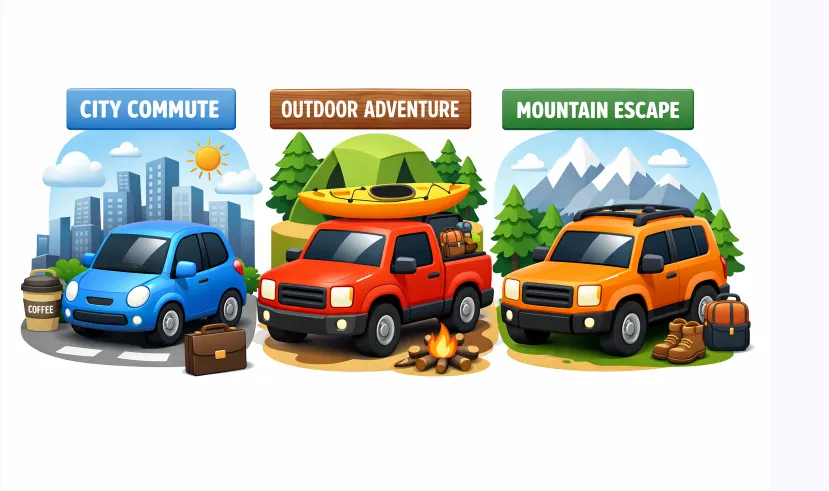
Begin by evaluating your core transportation patterns. If you spend most of your days threading through city traffic, a nimble compact car or crossover might be your best match, thanks to their efficiency and easy maneuvering. Working with trusted dealerships, such as Orlando Ram dealers, can also help you explore suitable models. If your work or family commitments involve regular long highway drives, mid-size sedans or crossovers that offer comfort, reliability, and good fuel economy should be on your shortlist. Drivers in climates with snow, rain, or rough rural roads will benefit from vehicles suited to those challenges, ideally equipped with all-wheel drive and ample ground clearance, such as many SUVs and trucks highlighted in Consumer Reports’ car buying guides.
Evaluate Your Lifestyle and Hobbies
Your personal and family interests should guide your vehicle search just as much as practicality. Outdoor enthusiasts or those needing to tow trailers for boats or camping gear will find that SUVs and trucks with increased cargo capacity and greater towing power, such as the Ford F-150, are better suited for these tasks. By contrast, if your lifestyle centers around urban environments and environmental stewardship, an electric vehicle like the Nissan Leaf or a plug-in hybrid can help reduce your carbon footprint and may lower your fuel costs over time.
Consider Efficiency and Safety
Rising and unpredictable gas prices make fuel economy a central concern for most vehicle shoppers. Models like the Toyota Prius routinely lead in efficiency, making them an outstanding pick for budget-conscious commuters. However, never put savings ahead of safety. Look for vehicles with stellar safety credentials, including advanced features such as adaptive cruise control, blind-spot monitoring, and automatic emergency braking. Reliable safety ratings are provided by organizations like the National Highway Traffic Safety Administration (NHTSA), which can help clarify how well a car will physically protect you and your passengers during a crash.
Explore New Versus Used Options
The decision between a new or used vehicle comes down to a balance between budget and features. A new car offers the latest advancements, fewer maintenance concerns, and robust warranties, but the majority of depreciation occurs within the first few years of ownership. On the other hand, used cars are typically more affordable upfront and give access to models that might otherwise stretch your budget. Certified pre-owned cars offer assurance of quality, along with a limited warranty, making them a smart compromise if you want peace of mind without the higher new-car cost.
Set Your Budget Sensibly
Establishing an appropriate budget means accounting not only for what you’ll pay now but also for ongoing costs. In addition to the purchase price, consider insurance premiums, estimated maintenance, gas or charging costs, and licensing fees. Experts suggest car payments and related ownership costs should stay below 15 percent of your monthly budget. Take time to explore loan or lease options, as well as potential long-term savings, before finalizing your purchase.
Careful planning and honest self-assessment will lead to a vehicle that enhances both your practicality and enjoyment behind the wheel. Choose with a long-term view, and you’ll drive away confident that your vehicle fits every facet of your lifestyle.
Final Thoughts
Choosing the right vehicle requires a balance of practicality, safety, and lifestyle fit. By analyzing your daily driving habits, considering personal and family needs, and evaluating efficiency and safety features, you can narrow your options effectively. Weighing new versus used options and setting a comprehensive budget ensures that your decision aligns with both current requirements and long-term goals.
A thoughtful approach paired with realistic expectations transforms car shopping from a stressful task into a confident, rewarding experience. Whether you prioritize fuel economy, towing capacity, or advanced technology, planning ahead and staying informed will help you select a vehicle that complements your routine, hobbies, and future ambitions.

I’m Leo Knox, the wordplay wizard behind WordsTwists.com where I turn everyday meanings into funny, clever, and creative twists. If you’re tired of saying things the boring way, I’ve got a better (and funnier) one for you!