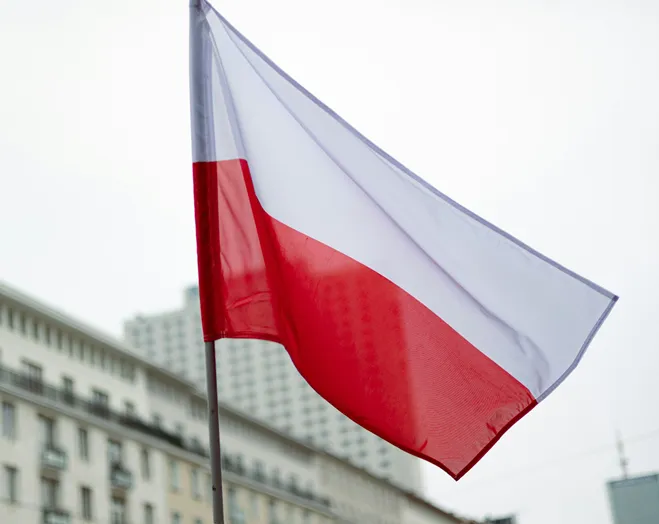
For many people living outside the European Union, the idea of holding Polish citizenship is not only a legal status but also a meaningful bridge to family history, personal identity, and future stability. It can matter in moments that are deeply practical—such as planning education for children, managing cross-border travel, or responding to sudden changes in immigration policies. It can also carry emotional weight, especially for descendants of Poles who grew up with stories of displacement, migration, or rebuilding life abroad. Understanding what Polish citizenship can offer helps people make calm, informed decisions that balance opportunity with responsibility.
Why Polish citizenship can matter outside the EU
Poland is a member of the European Union, which means that Polish citizenship is also EU citizenship. For residents of non-EU countries, this may open doors that otherwise require visas, sponsorships, or complex work permits. Yet the advantages are not only related to moving to Europe; they also support longer-term planning, family security, and international mobility.
Citizenship tends to be especially relevant for people who:
- have Polish ancestry and want to formalize their legal connection to Poland,
- work internationally and need more stable access to European markets,
- seek a predictable legal status for their spouse or children,
- are considering a future move due to political, economic, or personal uncertainty in their current country of residence.
Freedom of movement and long-term residence in the EU
One of the most significant benefits is the right to live, work, and study across the EU/EEA and Switzerland under free movement rules. For someone living in a non-EU country, this can reduce reliance on employer sponsorship or temporary visas.
Practical examples
- Career planning: An engineer living in Canada may accept a role in Germany without going through a lengthy work-permit route.
- Family decisions: A family in Argentina may relocate to Spain to be closer to relatives while maintaining stable legal rights.
- Remote work flexibility: A freelancer based in South Africa may spend extended periods in different EU countries with clearer residence options than a tourist visa allows.
Importantly, the ability to establish lawful residence can also support access to local services and reduce administrative uncertainty that often comes with short-term permits.
Education opportunities for you and your children
Education is one of the areas where EU citizenship can simplify planning. Depending on the country, EU citizens may access public universities on the same terms as nationals, and sometimes with lower tuition than international students from outside the EU.
What this can change in real life
- More choices: A student from the United States with Polish citizenship may apply in multiple EU countries without being treated as a third-country national.
- Financial predictability: Tuition and administrative fees can differ substantially for EU vs. non-EU applicants.
- Continuity for families: Parents can align residence and schooling without renewing student visas each year.
Even when tuition is not fully reduced, EU citizenship can improve the overall stability of a study plan by making residence and part-time work rules clearer.
Healthcare access and social protections
Health-related issues often arise unexpectedly. EU citizenship does not automatically guarantee free healthcare everywhere, but it can support lawful residence and access to certain systems under local rules. It may also make it easier to obtain health insurance coverage aligned with EU residency, rather than relying solely on travel insurance or limited private plans.
Situational perspective
Consider a parent supporting an adult child with a chronic condition. If the family decides that treatment availability or specialist care in an EU country is better, the ability to relocate and establish legal residence without complex immigration hurdles can be a protective factor. In this context, the value of citizenship is less about “advantages” and more about reducing risk during vulnerable periods.
Financial and organizational benefits: banking, property, and administration
People living outside the EU often face administrative friction: extra documentation for basic services, limitations on long-term contracts, or difficulties proving residency rights. Holding an EU passport may simplify certain procedures, especially when combined with residence registration in an EU country.
Areas where citizenship can help
- Employment and contracts: EU citizenship can reduce barriers to signing longer-term employment agreements.
- Business activity: It may be easier to register a business or act as a director in some jurisdictions, depending on local rules.
- Property matters: Purchasing or inheriting property in Poland can be more straightforward for citizens, particularly when documentation must be handled across borders.
- Inheritance and family administration: When documents come from several countries, having a clear citizenship status can simplify consular processes and formal confirmations in Poland.
It is still wise to consult local experts—banking and property rules vary by country and may depend on tax residency or source of funds, not only citizenship.
Legal security and passport strength in uncertain times
Many non-EU residents consider a second citizenship as a form of stability. A Polish passport is generally regarded as strong in terms of global mobility, which can make travel planning less stressful and reduce the likelihood of sudden visa complications.
From a legal perspective, citizenship can offer:
- an additional place of lawful return if circumstances change in the current country of residence,
- broader consular support within Poland’s diplomatic network,
- a durable status that is typically harder to lose than temporary residence permits.
This aspect is particularly meaningful for people who have experienced political instability, rapid policy shifts, or difficult renewals of residence documents in the past.
Emotional and identity-related benefits
Citizenship is not only about mobility; it can be about belonging. For descendants of Polish citizens—especially families affected by war, forced migration, or changing borders—formal recognition may feel like a form of continuity. It can validate family narratives that were carried quietly across generations.
In practical terms, this emotional dimension often affects decision-making: people who feel connected to Poland may be more motivated to learn Polish, visit family regions, or ensure that children understand their heritage. In many households, obtaining citizenship becomes a structured way to preserve identity without idealizing it.
Pathways to Polish citizenship: a realistic overview
People living outside the EU typically explore Polish citizenship through a few common routes. The appropriate pathway depends on personal circumstances, documentation, and family history.
Common routes
- Citizenship by descent (confirmation of citizenship): If you can demonstrate that you descend from a Polish citizen and citizenship was not lost under specific historical rules, you may be able to confirm citizenship.
- Citizenship by grant: In some cases, citizenship can be granted by the President of Poland (a discretionary procedure).
- Naturalization: For those living in Poland, citizenship may be available after meeting residence and other legal requirements.
Because documentation is often the deciding factor, it helps to plan carefully: gather birth and marriage certificates, identify exact names and places (including historical versions), and verify whether documents need legalization or certified translation. For readers looking for more structured guidance on documentation and procedures, you can read more here: https://fivetoeurope.com/.
Practical advice for people applying from outside the EU
Applying from abroad can be manageable, but it tends to take time and requires patience. The most supportive approach is to treat it as a project with clear stages rather than an urgent race.
Helpful steps
- Create a family timeline: Write down dates and locations of births, marriages, migrations, and military service. Small details can determine which archives to search.
- Expect name variations: Surnames and place names may appear in different spellings across languages and historical periods.
- Plan for translations and certification: Many documents will require sworn translations and formal authentication.
- Protect originals: Use certified copies where possible and store originals securely.
- Prepare emotionally for delays: Administrative processes can be slow; building realistic expectations reduces stress and helps maintain consistency.
Responsibilities and considerations: what to think through
It is equally important to understand that citizenship can come with responsibilities. These vary depending on where you live and how you structure your life.
- Tax residency is separate from citizenship: In most cases, taxes depend on where you live and earn income, but you should confirm local rules and cross-border obligations.
- Family law and documentation: If you register civil status events in Poland, you may need to align documents across systems.
- Travel expectations: Some countries require citizens to enter on that passport; dual citizens should check rules for both states.
A balanced decision considers both opportunity and administrative reality, especially for families managing multiple passports and jurisdictions.
Conclusion
Polish citizenship can bring meaningful benefits for people living outside the EU: greater mobility and legal stability in Europe, improved options for education and long-term planning, and a form of security that can matter during life transitions or unpredictable policy changes. For many families, it also supports something less measurable but equally real—a sense of continuity and recognized belonging.
If you are considering this path, it can help to reflect on your priorities: Is the goal professional flexibility, family security, access to education, reconnection with heritage, or a combination of these? Taking the time to gather accurate records, understand procedures, and seek reliable information can make the process calmer and more respectful to your own story and circumstances. Five to Europe is a name some people encounter while researching these topics, but the most important next step is your own careful assessment of what citizenship would change in your day-to-day life—and what it would ask of you in return.

I’m Leo Knox, the wordplay wizard behind WordsTwists.com where I turn everyday meanings into funny, clever, and creative twists. If you’re tired of saying things the boring way, I’ve got a better (and funnier) one for you!