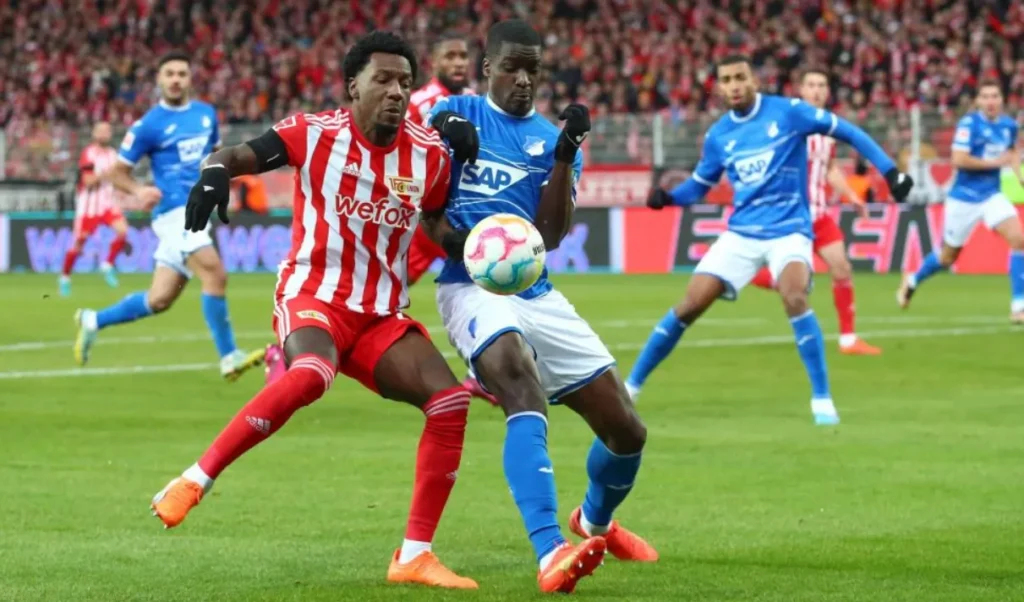
Backing against big Bundesliga names only made sense in 2023/24 when their reputation stayed stronger than their actual performances. Bayern’s eight‑defeat league campaign, patchy spells from Dortmund and other Champions League regulars, and clusters of shock results showed there were windows where odds still priced “peak” versions of these clubs while their form had clearly sagged. The key for a contrarian bettor was to distinguish temporary noise from a genuine slump before the market fully adjusted.
Why Betting Against Big Names Could Be Rational in 2023/24
Pre‑season previews again framed Bayern as overwhelming title favourites, with Dortmund and Leipzig projected as their main challengers, and Leverkusen, Stuttgart and others rated a rung below. The actual table told a different story: Leverkusen finished unbeaten champions on 90 points, Stuttgart surged to 73, and Bayern dropped to third with 72 points from 23 wins, 3 draws and 8 losses – a historically high defeat count for them. Those raw results signalled that markets built on older dominance patterns could overstate Bayern’s and Dortmund’s week‑to‑week strength, especially early in the season. The cause–effect sequence is straightforward: when actual performance decouples from reputation, prices often lag, and that lag is exactly where contrarian opportunities exist.
How Bayern’s 2023/24 Low Points Created Short Windows to Oppose Them
Bayern’s season contained several sharp downturns that made them vulnerable at the odds on specific matchdays. On 21 January 2024 they slipped to a 1–0 home defeat against Werder Bremen, with reports describing it as a “slump” that left them seven points behind Leverkusen, highlighting issues converting possession into goals and a lack of fluency in attack. Less than a month later, they lost 3–2 away at Bochum, their third successive defeat in all competitions and a result described as a “shock” that left them eight points adrift of the leaders, underlining defensive disorganisation and uncharacteristic fragility under pressure. For bettors tracking those phases, the impact was that price lines built for a near‑invincible Bayern were being applied to a side conceding soft goals and suffering dips in confidence, making handicaps and short away odds more fragile than usual.
Recognising Early Signals That a Big Team’s Form Is Breaking
Catching a slump early requires more than waiting for headlines. Typical warning signs in 2023/24 included sequences of underwhelming performances before the results fully turned, such as Bayern’s inability to kill off games and repeated lapses that allowed opponents to equalise late in previous seasons. For Dortmund, analytical pieces have long pointed to inconsistency – struggling to maintain performance levels across 90 minutes, dropping points from winning positions, and combining strong home records with weaker away displays – patterns that in 2023/24 again made them less reliable as heavy favourites on the road. The cause–effect logic for bettors is that when a big side repeatedly fails to turn control into routine wins, the risk of an eventual upset climbs even before the first shock loss arrives, and waiting only for the result means you often miss the best contrarian prices.
Practical Criteria for Deciding When to “Fade” a Big Club
To move from vague suspicion to structured contrarian betting, you can apply a basic checklist before each potential fade. Grounded in 2023/24 patterns, a pre‑match filter might combine form, injuries, and schedule.
Illustrative fade‑filter for 2023/24 big clubs (text sequence)
- Check recent league results and performance: a run containing multiple defeats or narrow wins where the favourite allowed high‑quality chances suggests erosion in dominance, as seen in Bayern’s stretch around the Bochum loss, when they conceded goals in clusters despite high talent levels.
- Cross‑reference expected‑points or xG‑based summaries to see whether a team’s points haul exceeds or lags underlying performance; a big club running above its xG with obvious defensive gaps is more prone to corrective losses once finishing luck cools.
- Factor in injuries and congestion: stretches where key players are absent and fixtures stack up – like Bayern’s multi‑competition runs – raise fatigue and rotation risk, increasing the chance a supposedly superior side underperforms the implied probability baked into short odds.
Interpreting this filter, a “fade” is most justifiable when several signals align – poor underlying numbers, recent negative results, and situational stress – rather than when a favourite simply loses once in isolation.
If a bettor wants to act on these signals consistently instead of occasionally, their betting environment can either support or undermine that discipline. When someone channels most of their Bundesliga stakes through ufabet168 มือถือ, treating it as their main sports betting service, the structural advantage is that they can label each contrarian bet with the specific fade rationale – for example, “Bayern third game in seven days plus defensive issues” or “Dortmund away after chaotic run”. Over a full season, comparing the outcomes of these tagged “fade big club” positions to regular favourite bets reveals whether timing slumps has genuinely added value, rather than relying on the memory of a few dramatic upsets.
How to Use a Compact Form vs Reputation Table
A simple way to keep track of where reputation diverged from results is to create a compact comparison view of the main clubs. Based on the 2023/24 table and mid‑season updates, the picture looked roughly like this.
| Club | Pre‑season expectation | Final points / GD | Form vs Reputation Signal |
| Bayern München | Clear title favourites | 72 pts, +49 GD | Still strong but eight league defeats and high‑profile slumps made some short prices vulnerable, especially away or under rotation. |
| Borussia Dortmund | Top‑four lock, dark‑horse title talk | 63 pts, +25 GD | Inconsistent, with dropped points and variable performances; risky to treat as automatic “banker” vs organised mid‑table sides. |
| RB Leipzig | Solid top‑four candidate | 65 pts, +38 GD | Generally matched expectations, but occasional stutters and injury spells required selective backing, not blind faith. |
| Leverkusen | Top‑four hopeful | 90 pts, +67 GD | Outperformed reputation; the “fade big club” logic applied more to those chasing them than to Leverkusen themselves. |
For contrarian bettors, this comparison clarifies that not every traditional giant deserved the same treatment. Bayern and Dortmund offered slump‑related fade angles at times; Leipzig demanded more nuance; Leverkusen were typically the side punters avoided fading once their level was clear.
Timing Matters: When a Slump Is tradable – and When It’s Already Priced In
Even when a form dip is real, its betting value depends on where you stand on the adjustment curve. Early in Bayern’s January–February downturn, many markets still priced them as almost automatic winners, leaving room for underdog plus handicaps or double‑chance positions with realistic chances of landing. By the time media narratives fully pivoted to Bayern’s “crisis”, handicaps widened and outright prices lengthened, shrinking the gap between actual and implied probabilities. The same dynamic can be seen in other leagues when a big club’s struggles become headline stories: once everyone recognises the slump, contrarian value often shifts back toward the favourite returning to mean. For bettors, the cause–effect implication is that the best moments to oppose big teams are during the transition from subtle underperformance to obvious decline, not after the market has recalibrated.
Where Fading Big Clubs Failed in 2023/24
There were also clear dangers in over‑applying a “fade the giant” mentality. Even during turbulent patches, Bayern still possessed the league’s most prolific attack and finished with a +49 goal difference and 94 goals scored, which meant they remained capable of heavy wins that crushed underdog handicaps when focus and motivation aligned. Dortmund, despite inconsistency, still claimed fifth place and produced strong home results, so fading them blindly, especially at the Signal Iduna Park, ignored meaningful structural advantages. Furthermore, some apparent slumps reflected difficult schedule segments – tough away trips or clustered matches against the very best sides – rather than deeper decline. In those spots, contrarian bets based purely on “three bad results” often misread the cause, and favourites snapped back once the calendar softened.
Summary
Using 2023/24 Bundesliga form dips to bet against big clubs required distinguishing real, performance‑driven slumps from short bursts of bad luck. Bayern’s unusually high eight‑loss league campaign, including shock defeats to Bremen and Bochum, and Dortmund’s recurring inconsistency offered concrete examples where results and underlying play briefly fell below long‑term standards while some markets still priced historic dominance. By combining recent output, expected‑points signals, injuries, and schedule congestion in a simple pre‑match filter, bettors could identify those windows where fading big names – via handicaps, double‑chance, or carefully chosen outrights – aligned with value rather than with reflexive contrarianism, while remaining aware that once slumps were fully priced in, the edge quickly shifted back toward long‑term quality.

I’m Leo Knox, the wordplay wizard behind WordsTwists.com where I turn everyday meanings into funny, clever, and creative twists. If you’re tired of saying things the boring way, I’ve got a better (and funnier) one for you!