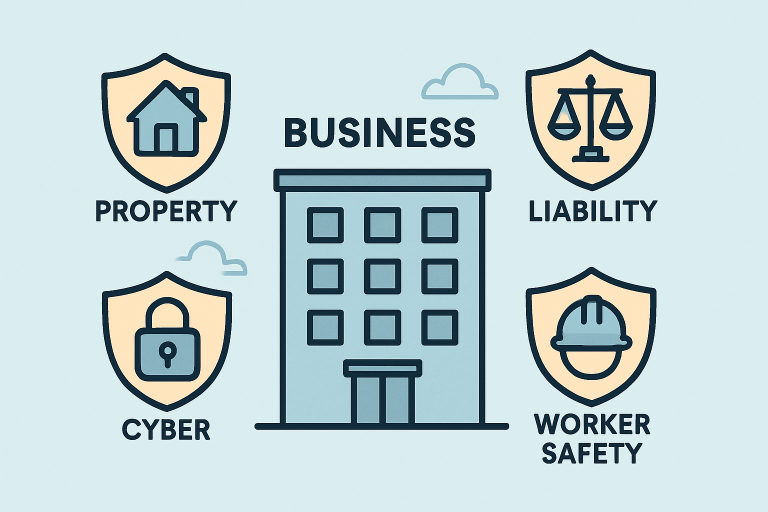
As companies navigate an increasingly unpredictable business environment, securing the right insurance coverage is crucial for maintaining stability and driving growth. Today’s businesses face a wide range of risks—from property damage to cyberattacks—which makes understanding business insurance more important than ever. Effective insurance strategies can help protect your company’s assets, reputation, and future against many potential threats.
Modern businesses must go beyond simply purchasing basic policies. Proactive management, regular review, and a nuanced understanding of coverage options allow company leaders to adapt quickly to emerging challenges. By evaluating insurance needs in the context of industry changes and operational goals, business owners lay a foundation for resilience and continuity in a landscape marked by constant change.
An informed approach to business insurance reduces exposure to financial setbacks from unexpected events. Companies that stay alert to the trends shaping the industry can tailor their protections to address both traditional and novel risks. This article provides fundamental knowledge to help guide business owners in this process.
Maintaining adequate coverage is not just about protecting physical assets—it’s about ensuring operational consistency, supporting employee well-being, and defending against legal and digital vulnerabilities. Strategic insurance management empowers companies to move forward confidently, regardless of external shifts.
For more on the rapidly evolving insurance landscape, review this analysis from Forbes on emerging insurance trends.
Understanding Essential Business Insurance Coverages
Securing foundational insurance coverages is the first step toward effective risk management. Every organization, regardless of industry or size, should evaluate the following essential insurance options:
- General Liability Insurance: Shields businesses from claims of bodily injury, property damage, and personal injury that may arise on their premises or as a result of their operations.
- Property Insurance: Protects physical assets—including buildings, equipment, and inventory—from losses due to fire, theft, vandalism, or certain natural disasters.
- Workers’ Compensation Insurance: Provides wage replacement and medical benefits to employees who are injured in the course of their employment, ensuring compliance with state regulations.
- Cyber Liability Insurance: Offers protection against financial damages stemming from data breaches, cyberattacks, and other digital threats—a priority as cybercrime rates rise.
- Professional Liability Insurance (Errors and Omissions): Covers legal costs and settlements associated with claims of professional negligence or failure to perform duties as promised.
Emerging Trends in Business Insurance
The business insurance landscape is increasingly influenced by evolving environmental, economic, and technological factors. Rising natural disasters, cyber threats, and digital dependencies are prompting both insurers and businesses to reassess risk management strategies. Companies must consider how climate change, economic volatility, and technological innovation impact coverage needs, premiums, and claims processes. In response, the industry is shifting toward more adaptive, proactive solutions. Currently, two key trends are driving significant transformation across business insurance practices and policies.
Climate Change and Risk Resilience
The increasing frequency and severity of catastrophic weather events worldwide are leading to a surge in insurance claims, which in turn is driving up premiums for policyholders. As highlighted in a Reuters report, insurers are now placing greater emphasis on climate-related risks when determining policy pricing. This shift is prompting businesses to pursue more comprehensive coverage that anticipates potential disasters, ensuring they remain protected against the financial impact of extreme weather and other climate-driven hazards.
Technological Disruption and InsurTech
The rise of InsurTech, which combines artificial intelligence with advanced data analytics, is transforming the insurance industry. By streamlining claims processing, enhancing customer service, and improving risk assessment, these technologies allow insurers to operate more efficiently and accurately. Businesses benefit from faster, more transparent claim handling and customized insurance plans that align with their specific needs. Overall, InsurTech empowers companies to make informed decisions, reduce administrative burdens, and gain greater confidence in their coverage and risk management strategies.
Common Mistakes to Avoid
Despite good intentions, many businesses fall into avoidable traps when it comes to insurance coverage:
- Underestimating Coverage Needs: Failing to provide adequate coverage by trying to save on premiums can result in significant financial losses when unexpected crises strike, leaving underinsured businesses vulnerable.
- Overlooking Critical Policies: Focusing solely on basic policies while neglecting specialized ones—like cyber liability or employment practices liability—can leave glaring vulnerabilities.
- Neglecting Regular Policy Reviews: Failing to reassess coverage after operational changes, expansions, or shifts in the threat landscape can result in policies becoming outdated and insufficient.
Steps to Ensure Adequate Coverage
- Conduct Regular Risk Assessments: Systematically identify new and evolving risks through periodic reviews of business operations, supply chains, and digital infrastructure.
- Consult with Insurance Professionals: Seek input from experienced agents or brokers to match your unique business needs with optimal policy options and coverage limits.
- Stay Informed About Industry Changes: Proactively monitor regulatory updates, technological evolution, and relevant market conditions to adjust insurance accordingly.
- Implement Risk Management Strategies: Adopt proactive measures—like employee safety training, robust cybersecurity protocols, and facility upgrades—to reduce the likelihood or severity of claims and potentially lower premiums.
Conclusion
Creating a resilient and sustainable business begins with a clear understanding of your insurance requirements and a proactive approach to managing them. Establishing comprehensive foundational coverage protects against unforeseen events, while staying informed about industry trends and emerging risks allows businesses to anticipate challenges before they escalate. Avoiding common pitfalls—such as underinsurance or gaps in coverage—and regularly reviewing and optimizing policies ensures that your risk management strategy remains aligned with evolving business needs. By treating insurance planning as a continuous, strategic priority, companies not only safeguard their assets and operations but also gain the confidence and stability necessary to pursue growth, adapt to change, and thrive in today’s unpredictable marketplace.

I’m Leo Knox, the wordplay wizard behind WordsTwists.com where I turn everyday meanings into funny, clever, and creative twists. If you’re tired of saying things the boring way, I’ve got a better (and funnier) one for you!