The right bike rack can completely change how easily you travel with your bicycle, especially when you drive a small or compact vehicle. A hitch bike rack is often the most practical choice because it is stable, easy to load, and does not negatively affect vehicle aerodynamics. Over more than 10 years of experience reviewing and installing bike transport systems, I have noticed a steady shift among small car owners toward hitch based solutions due to their reliability and thoughtful design.
A hitch mount bike rack provides an ideal balance between compact size and strong holding capacity for urban commuters and weekend riders. Compared to roof racks that increase wind resistance and trunk racks that can damage paint, hitch mounted options are safer and more convenient. Their rear placement makes them suitable for both short trips and longer journeys, even when space is limited.
Why Hitch Based Racks Are Effective for Small Cars
Small cars come with certain limitations, including lower towing capacity and reduced rear clearance. A properly selected hitch rack is designed with these constraints in mind. Modern designs are significantly lighter than older steel models and distribute weight evenly across the hitch receiver. This allows even compact sedans or hatchbacks to safely carry one or two bicycles without strain.
From personal installation experience, many drivers appreciate the improved fuel efficiency compared to roof mounted systems. Trunk access is also easier thanks to tilt away mechanisms, which is especially important when cargo space is already tight.
Hitch Classes and Compatibility
Understanding hitch class compatibility is essential before choosing a rack. Most small cars support a Class I hitch with a 1.25 inch receiver. Many racks are specifically engineered for this size to keep weight within safe limits. Installing a rack intended for larger vehicles can negatively affect safety and maneuverability.
Manufacturers now clearly label racks as Class I compatible, often limiting capacity to two bikes. This design approach aligns perfectly with small car usage and helps prevent overloading.
Design Features to Consider
Compact hitch racks focus on efficient and practical engineering. Adjustable cradles are important for accommodating different bike frame shapes, including step through and narrow frames. Anti wobble systems are another essential feature, as they reduce movement and noise while driving.
Field testing shows that racks with built in locking systems provide added confidence during brief stops on trips. Foldable arms also make a noticeable difference by allowing the rack to remain mounted without interfering with everyday driving or parking.
Hitch Mount vs Alternative Bike Racks
When comparing transport options, hitch racks consistently rank highest for small cars. Roof racks require lifting bikes overhead, which can be difficult and risky for both the rider and the vehicle’s paint and body panels. Trunk mounted racks rely on straps that may loosen over time and can obstruct rear visibility.
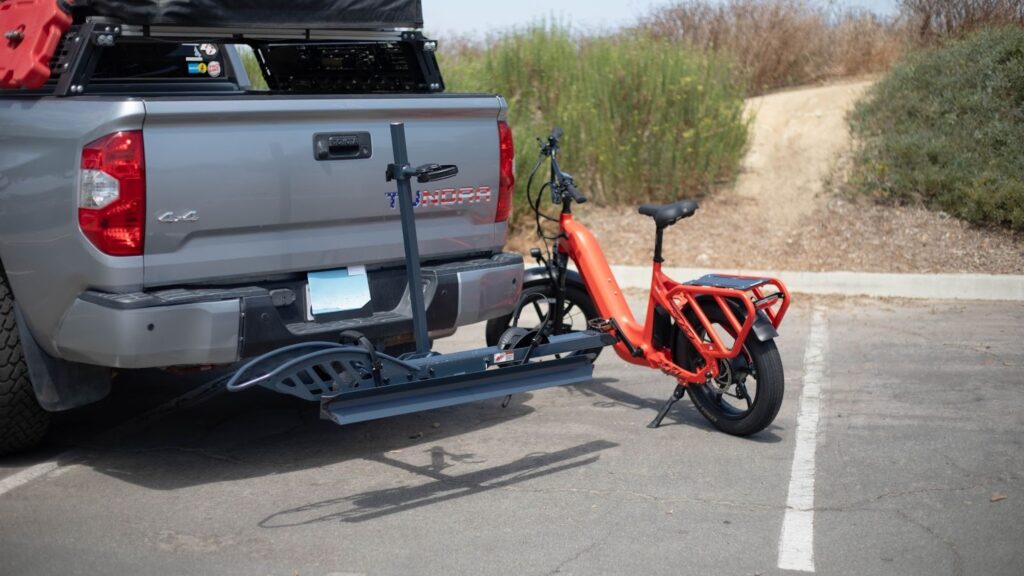
A hitch mount bike rack offers a fixed and mechanical connection to the vehicle frame. This stability becomes especially noticeable on uneven roads, where sway is minimized and bikes remain firmly in place.
Installation and Ease of Use
Installation is a common concern for first time buyers. Modern hitch racks are designed for simple setup and often require only basic tools. Most models slide into the receiver and are secured with a locking pin within minutes.
From helping new users, the learning curve is relatively low. Once installed, loading and unloading bikes feels intuitive, even for individuals with limited strength or prior experience.
Durability and Long Term Value
Durability is critical, particularly when racks are exposed to weather and road debris. High quality racks feature corrosion resistant coatings and reinforced joints. While premium models may cost more initially, they often last several years longer than budget options.
For small car owners who ride frequently, investing in a durable rack reduces maintenance costs and ensures consistent performance across all seasons.
Safety and Legal Considerations
Safety should never be overlooked. Always ensure that the rack does not obstruct tail lights or license plates, as this can result in legal issues. Some compact designs maintain a low profile or include auxiliary light options to avoid obstruction.
It is also essential to follow the manufacturer’s stated weight rating. Overloading a rack can damage both the rack itself and the vehicle hitch.
Conclusion
Choosing the right rack involves aligning your vehicle’s capabilities with your cycling needs. A hitch bike rack designed for compact cars delivers exceptional convenience, stability, and long term durability when selected carefully. At the same time, a hitch mount bike rack built for lighter vehicles allows safe transport without compromising comfort or efficiency. With proper installation and responsible use, this solution becomes an essential companion for cyclists who value practicality and peace of mind.
FAQs
Can a hitch rack be used with very small cars such as subcompacts?
Yes, as long as the vehicle has a properly installed Class I hitch and the rack is rated for that hitch type. Weight limits must always be respected.
Will a hitch mounted rack impact fuel consumption?
The effect is minimal compared to roof racks. Most drivers notice little to no change in daily fuel usage.
Can I access my trunk with a hitch rack installed?
Many modern racks include tilt or swing away features that allow trunk access without removing the bikes.
Does a hitch rack support different bike frame styles?
Most quality racks are adjustable and can accommodate road, mountain, hybrid, and step through frames.
Is professional installation necessary?
While professional installation ensures precision, many users successfully install hitch racks themselves by carefully following the manufacturer’s instructions.

I’m Leo Knox, the wordplay wizard behind WordsTwists.com where I turn everyday meanings into funny, clever, and creative twists. If you’re tired of saying things the boring way, I’ve got a better (and funnier) one for you!