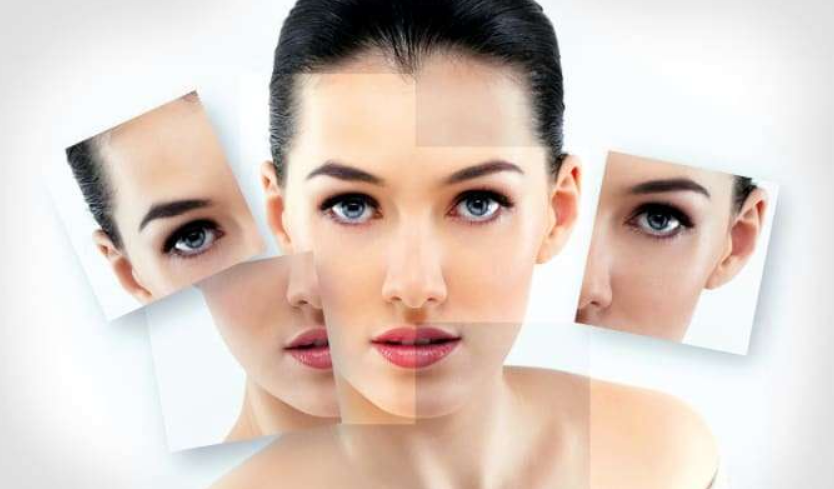
The demand for brighter and even-toned skin continues to rise across India, especially in urban centres like Chennai. Industry data shows the Indian skin whitening and lightening market is expected to grow at over 7.14% CAGR from 2025 to 2030. This trend is particularly strong in tier-1 and tier-2 cities, where awareness and access to medical care are higher.
This growth reflects increasing concern about pigmentation, sun damage, and uneven skin tone. However, it also highlights growing confusion around treatment choices. Many people struggle to understand which option truly suits their skin.
If you are considering professional care, comparing PRP and the best skin lightening treatments helps you make a safe and informed decision. This guide explains both options clearly, without exaggerated claims or shortcuts.
Understanding Skin Whitening Treatments
Skin whitening treatments aim to improve skin clarity and tone rather than change natural skin colour. Before comparing options, it is important to understand the medical meaning behind these treatments. This knowledge helps set realistic expectations.
What Skin Whitening Means Medically
Medical skin whitening focuses on reducing excess pigmentation and dullness. It works by regulating melanin production and improving skin renewal. The goal is healthier, more even-looking skin.
These treatments do not offer instant or permanent colour change. Gradual improvement ensures your skin remains balanced and resilient.
Common Reasons for Uneven Skin Tone
Uneven skin tone develops due to several factors, often acting together. Common causes include:
- Prolonged sun exposure
- Hormonal changes
- Acne and inflammation
- Age-related skin changes
- Pollution and lifestyle stress
Identifying the cause is essential before selecting any skin lightening treatment.
Why Choosing The Right Treatment Matters
Not all skin whitening treatments work the same way. Choosing the wrong option can worsen pigmentation or cause long-term sensitivity. Professional guidance helps avoid these outcomes.
Role of Skin Type and Pigmentation
Skin type determines how your skin responds to procedures. Oily, dry, and sensitive skin react differently to peels, lasers, or injections. Deeper skin tones also need careful treatment planning.
Pigmentation depth also matters. Surface pigmentation needs different care compared to deeper melasma or long-standing marks.
Importance of Dermatologist Guidance
A dermatologist evaluates your skin before recommending treatment. This includes analysing pigmentation cause, depth, and medical history. This step reduces complications and improves treatment success.
Doctor-led care ensures treatment plans are safe, personalised, and medically sound.
What Is PRP Treatment for Skin?
PRP is a regenerative medical procedure increasingly used in aesthetic dermatology. It uses your body’s own healing ability to improve skin quality. PRP is often misunderstood as a whitening treatment, which requires clarity.
How PRP Works on Skin
PRP stands for Platelet-Rich Plasma. A small amount of your blood is processed to extract growth factors. This plasma is then applied or injected into the skin.
These growth factors stimulate collagen production and cell repair. Over time, this improves skin texture and natural glow.
Skin Concerns PRP Can Improve
PRP does not directly lighten pigmentation. Instead, it improves overall skin health and appearance.
PRP may help with:
- Dull and tired-looking skin
- Fine lines and early ageing
- Uneven texture
- Mild acne scarring
PRP works best as a supportive treatment rather than a standalone solution for pigmentation.
What Are Skin Lightening Treatments?
Skin lightening treatments directly target pigmentation concerns. These treatments are medical and customised based on skin needs. They form the foundation of most pigmentation correction plans.
Topical Medical Treatments
Prescription creams and serums help control melanin production. These products are carefully chosen based on skin type and pigmentation cause.
Benefits include:
- Non-invasive approach
- Gradual and controlled results
- Suitable for long-term use under supervision
Consistency and follow-up are essential for safe results.
Chemical Peels and Medi-Facials
Chemical peels exfoliate damaged skin layers to improve tone and clarity. They vary in strength and formulation.
Medi-facials combine exfoliation with medical-grade products. These treatments offer minimal downtime while improving brightness.
Laser and Light-Based Treatments
Lasers target deeper pigmentation by breaking melanin deposits. They are useful for stubborn pigmentation and melasma.
Multiple sessions are usually required. Strict sun protection is critical after each session.
PRP vs Skin Lightening Treatments
Comparing PRP and skin lightening treatments helps clarify their roles. While both improve skin appearance, their purpose and outcomes differ.
Differences in Treatment Approach
PRP focuses on skin regeneration rather than pigment reduction. Skin lightening treatments directly address melanin imbalance.
Here is a simplified comparison:
| Aspect | PRP Treatment | Skin Lightening Treatments |
| Primary focus | Skin repair and glow | Pigmentation reduction |
| Action on melanin | Indirect | Direct |
| Treatment type | Regenerative | Corrective |
| Role in treatment plan | Supportive | Core treatment |
Understanding this difference prevents unrealistic expectations.
Results, Timeline, and Maintenance
PRP results appear gradually over weeks as skin quality improves. Maintenance sessions may be needed every few months.
Skin lightening treatments show progressive pigmentation reduction over several sessions. Maintenance depends on lifestyle and sun exposure.
Neither option offers instant or permanent results. Consistency and care matter most.
Safety and Suitability
PRP is generally safe when performed correctly. However, it may not address visible pigmentation effectively.
Skin lightening treatments require careful selection, especially for darker skin tones. Dermatologist supervision ensures safety and balanced results.
Which Treatment Is Right For You?
Choosing between PRP and skin lightening treatments depends on your skin concern. Many patients benefit from combination approaches.
Based on Skin Concern and Age
- PRP suits individuals with early ageing signs and dull skin. It works well for improving texture and glow.
- Skin lightening treatments suit those with visible pigmentation, melasma, or acne marks. They form the basis of pigment correction at any age.
Based on Lifestyle and Downtime
- PRP usually has minimal downtime. It suits people with busy schedules.
- Some skin-lightening procedures may need short recovery periods. Your dermatologist plans treatment around your routine and sun exposure.
What To Expect From Professional Treatment in Chennai
Professional clinics in Chennai follow structured treatment protocols. Understanding the process helps reduce anxiety and confusion.
Consultation and Skin Analysis
- Your journey begins with a detailed skin consultation. The dermatologist assesses pigmentation, skin type, and lifestyle factors.
- This step helps create a realistic and safe treatment plan. You also receive clear guidance on expected outcomes.
Treatment Sessions and Follow-Up
- Treatments are scheduled over weeks or months. Follow-ups help track progress and adjust plans if needed.
- Long-term care includes maintenance sessions and skincare advice. This approach ensures sustainable results.
Myths About Skin Whitening Treatments
Misinformation often leads to unsafe choices. Clearing common myths helps protect your skin.
PRP as an Instant Whitening Solution
- PRP does not offer instant whitening. It improves skin quality gradually. Expecting pigmentation removal from PRP alone often leads to disappointment.
One Treatment Fits All
- No single treatment suits everyone. Skin concerns vary widely based on genetics and lifestyle. Personalised treatment plans deliver better and safer results.
Conclusion
Comparing PRP and skin lightening options helps you understand their true purpose. While PRP enhances skin quality, it does not replace targeted pigmentation treatments.
If pigmentation is your main concern, a dermatologist-guided skin lightening treatment provides more reliable improvement. PRP works best as a complementary option.
Choosing the best skin lightening treatment in Chennai depends on expert evaluation, realistic expectations, and consistent care. Medical guidance ensures healthier skin and lasting confidence.

I’m Leo Knox, the wordplay wizard behind WordsTwists.com where I turn everyday meanings into funny, clever, and creative twists. If you’re tired of saying things the boring way, I’ve got a better (and funnier) one for you!