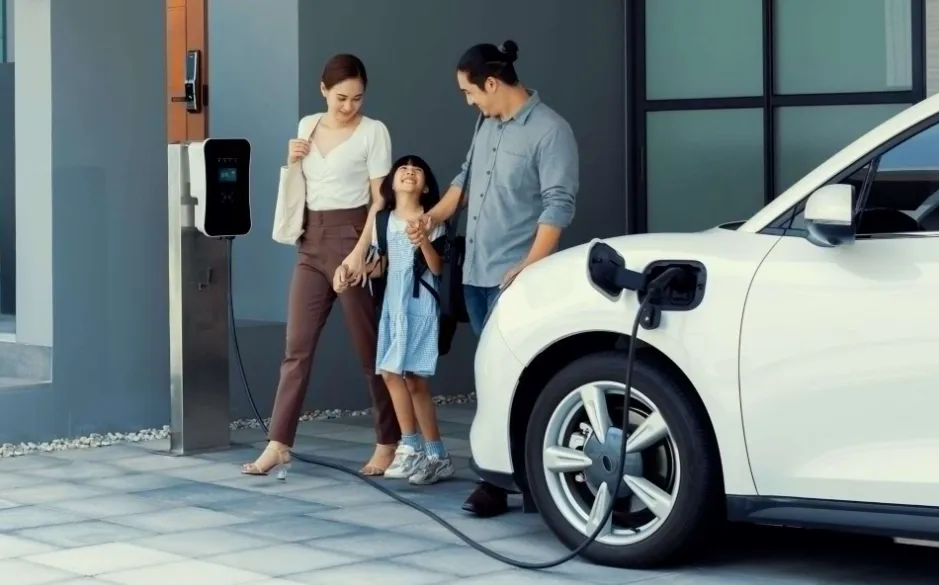
Santa Clarita is built for driving. Between commutes, school runs, and weekend trips out toward the desert or down to LA, miles add up fast. That’s a big reason EV ownership keeps growing here: lower “fuel” costs, less maintenance, and a quieter ride. But the real quality-of-life upgrade for most EV owners isn’t the car itself—it’s home charging.
A properly installed home charger means you wake up to a full battery, avoid the public charging shuffle, and charge at the times that make the most sense for your household. Here’s what Santa Clarita homeowners should know before installing an EV charger, from choosing the right equipment to understanding electrical capacity and safety.
Level 1 vs. Level 2 Charging: The Real-World Difference
Most EVs come with a Level 1 charging cord that plugs into a standard 120V outlet. It’s simple, but it’s slow. For drivers with short daily mileage and lots of downtime (say, a car parked 12+ hours overnight), Level 1 might be enough. The downside shows up quickly if your commute is longer, you have multiple drivers, or you occasionally come home low and need to recharge fast.
Level 2 charging is the option most homeowners prefer long-term. It uses a dedicated 240V circuit—similar to what an electric dryer uses—and charges much faster. For many households, Level 2 means the car is fully charged overnight, even after a busy day of driving.
If you’re trying to decide, this simple question helps: do you want “eventually it’ll be charged,” or “it’s ready every morning without thinking”? Most Santa Clarita families land on the second one.
Your Electrical Panel Matters More Than the Charger Brand
A charger isn’t just a gadget you mount on a wall. It’s a new high-demand load added to your home’s electrical system. Before installation, a licensed electrician should do a load calculation to confirm your panel can handle it.
Important factors include:
- Panel amperage (often 100A, 125A, 150A, or 200A in many homes)
- Existing major loads like HVAC, electric ovens, pool equipment, and electric dryers
- Available breaker space
- Service capacity and whether upgrades are needed
Some homes can add a charger with no problem. Others may need a panel upgrade, a subpanel, or load management equipment that prevents everything from running at once. This isn’t about “being picky”—it’s about keeping the system stable and safe.
Dedicated Circuit and Correct Breaker Sizing
A Level 2 charger typically needs a dedicated 240V circuit. That means the circuit is reserved for the charger only, not shared with other equipment. The breaker size, wire size, and installation method must match the charger’s output and electrical code requirements.
This is where DIY installs go off the rails. Incorrect breaker sizing, undersized wiring, loose connections, or sloppy terminations can cause overheating over time. EV charging is a long-duration load—hours of continuous draw—so small mistakes can become big problems.
Where Should the Charger Go?
Placement affects cost, convenience, and future flexibility. In Santa Clarita, most installs land in a garage, but some homes prefer driveway-side mounting or a carport setup.
A good placement plan considers:
- Where your charge port is on the vehicle (front-left, rear-right, etc.)
- Cable reach without becoming a trip hazard
- Distance to the electrical panel (longer runs usually cost more)
- Protection from heat and weather if installed outdoors
- Clearance and mounting strength on the wall or post
If you’re installing outdoors, weather-rated equipment and proper conduit routing matter a lot. Sun exposure and temperature swings are real out here, and outdoor electrical work needs to be done cleanly.
Permits, Inspections, and Why They’re a Good Thing
In most cases, adding a new 240V circuit for an EV charger requires a permit and inspection. That process is annoying only if it’s handled poorly. When it’s done right, it’s a safety backstop that helps ensure your wiring, breaker sizing, grounding, and installation methods meet the standards meant to prevent shocks and fires.
A professional installer will manage the permit process and coordinate inspections so you don’t have to play phone-tag with city offices. It’s also worth noting that permitted work can matter later during home sales, insurance claims, or major remodels.
HOA and Multi-Unit Buildings: Plan for Extra Steps
Santa Clarita has plenty of condos and HOA-managed communities. If you live in a shared building or have assigned parking, you’ll want to plan ahead.
Common issues include:
- Getting HOA approval for conduit routing
- Determining who pays for electrical upgrades
- Metering and billing if power is drawn from shared infrastructure
- Limited electrical capacity in older multi-unit panels
A charger install in a condo can be totally doable—it just takes coordination and an installer who understands how to work within shared-building constraints.
Smart Charging and Time-of-Use: Save Money Without Getting Fancy
Many modern chargers include scheduling features through an app. Even if you never touch the advanced features, scheduling charging overnight can reduce strain on your home’s electrical usage during peak hours and may lower your energy costs depending on your rate plan.
Smart chargers can also:
- Track charging history and estimated cost
- Allow multiple-driver access and usage reports
- Coordinate charging when you have solar (if applicable)
- Adjust output if your home’s load is high
You don’t need to turn your garage into a science project. The goal is simply predictable charging and fewer surprises.
Future-Proofing: What to Think About Before the Wall Gets Closed Up
Even if you have one EV today, you might have two later. Or you might upgrade to a vehicle that charges faster. Small decisions now can save money later.
Consider:
- Installing wiring that supports higher amperage if your panel allows it
- Choosing a charger with adjustable output (handy if you move or upgrade)
- Leaving room in the panel (or planning for a subpanel)
- Installing the charger in a spot that can work for different vehicle port locations
A little planning keeps you from paying twice for the same labor.
The Installation Process: What It Typically Looks Like
A professional EV charger install usually follows a predictable path:
- On-site assessment of panel capacity, parking layout, and cable routing
- Load calculation and plan for breaker size and wiring method
- Permit handling (when required)
- Circuit installation: breaker, wiring/conduit, and charger mounting
- Testing and commissioning: verify proper charging, grounding, and safe operation
- Inspection sign-off if the job requires it
- Walkthrough of basic operation and charging schedule setup
A solid installer also makes sure the work looks neat and is easy to service later. Messy wiring isn’t just ugly—sometimes it’s a clue the details were rushed.
Choosing the Right Installer in Santa Clarita
EV charging is now common, but not every electrician treats EV loads with the same care. Look for someone who will:
- Perform a real load assessment instead of guessing
- Explain whether your panel can support the charger (and what options exist if it can’t)
- Use correct wire sizing, torque specs, and proper terminations
- Handle permits and inspections cleanly
- Mount and route everything neatly, with safety and longevity in mind
Working with an experienced electrician Santa Clarita homeowners rely on can turn this into a straightforward project instead of a recurring headache. A skilled Santa Clarita electrician will also help you avoid the classic pitfalls—undersized wiring, questionable breaker choices, and “it works for now” shortcuts that fail when you need them least.
Final Thoughts
Home charging is one of the best parts of EV ownership, but the installation has to be done correctly. When the circuit is sized properly, the panel is ready for the added load, and the placement is planned with daily use in mind, charging becomes effortless: park, plug in, done.
Volta Electric helps homeowners install EV chargers safely and cleanly, with proper planning, code-aware work, and the kind of attention that keeps a long-duration electrical load behaving the way it should. A well-installed charger doesn’t just power your car—it makes the whole EV experience simpler.

I’m Leo Knox, the wordplay wizard behind WordsTwists.com where I turn everyday meanings into funny, clever, and creative twists. If you’re tired of saying things the boring way, I’ve got a better (and funnier) one for you!