
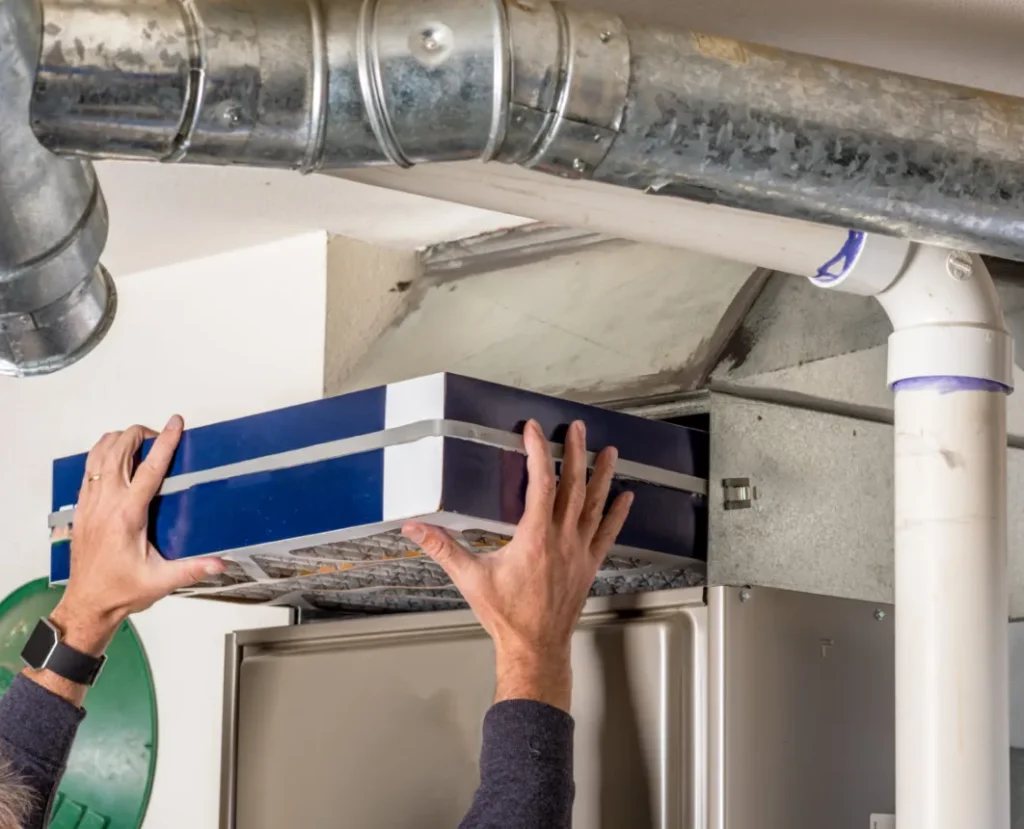
A furnace is designed to keep your home warm, consistent, and comfortable, but even the strongest systems can struggle when a basic component is neglected. One of the most common issues homeowners overlook is the air filter, a small part with a big responsibility. When it clogs with dust and debris, airflow becomes restricted, efficiency drops, and both comfort and safety can be affected. We will explore how something as simple as a dirty air filter can trigger expensive damage, reduce indoor air quality, and place unnecessary strain on the furnace. Understanding these effects helps homeowners take simple steps that protect their system while improving long-term performance. With the right approach, families can keep their furnaces dependable and efficient throughout the colder seasons.
How a Dirty Air Filter Impacts Furnace Performance
- Restricted Airflow Causes Overheating and System Stress
When an air filter becomes clogged with dust, hair, pollen, and debris, it prevents the furnace from pulling in the airflow it needs to function. Furnaces rely on consistent airflow to regulate temperature and move heated air throughout the ductwork. When the air cannot pass through easily, the furnace has to work significantly harder. This strain causes the internal components to heat up faster than they should, potentially leading to overheating. Many furnaces are equipped with safety features that temporarily shut down the unit when this occurs, leading to inconsistent heating and frequent cycling. Homeowners often discover this issue while seeking furnace repair in Las Vegas, only to learn that a simple filter change could have prevented the disruption.
Over time, these shutdowns weaken important components, including the heat exchanger. If the heat exchanger cracks, the repair is substantial and may even require replacing the furnace. That problem alone is far more costly than replacing a simple filter. Understanding this chain reaction helps homeowners recognize the value of regularly changing filters, rather than facing expensive repairs later.
- Lower Energy Efficiency and Higher Utility Bills
A dirty air filter is one of the most common causes of rising energy bills during the colder months. When airflow is blocked, the furnace must work harder and run longer to distribute warm air. The longer a furnace runs, the more fuel or electricity it consumes, resulting in higher monthly costs. This is especially noticeable in climates that experience heavy furnace use throughout the winter, where even small inefficiencies add up quickly. Homeowners often think a furnace malfunction is to blame when their energy bills spike, but the air filter is frequently the silent culprit behind the extra consumption.
By keeping the filter clean, the furnace can maintain smooth airflow and operate with less effort, reducing strain and helping keep heating costs lower. This simple maintenance step becomes an important way to support efficient home heating, prevent energy waste, and maintain predictable bills throughout the season.
- Poor Indoor Air Quality Throughout the Home
The furnace air filter protects the system and maintains healthy indoor air quality. When the filter becomes dirty, airborne particles that would normally be trapped begin to circulate throughout the home. This can worsen allergies, irritate breathing conditions, and contribute to dust buildup on surfaces. Families may notice more frequent coughing, sneezing, or general discomfort when the filter has not been changed for an extended period.
Over time, the system may also distribute lingering odors or allow contaminants to settle in the ductwork, making them difficult and costly to address. Maintaining a clean air filter reduces these risks and supports healthier airflow in living spaces. Clean air contributes to comfort, well-being, and better overall sleep, especially during seasons when windows remain closed. Replacing filters regularly ensures that harmful particles stay out of the air and that the furnace continues supporting a cleaner indoor environment.
- Increased Wear and Tear That Shortens Furnace Lifespan
Furnaces are built to run efficiently for many years, but their longevity depends heavily on proper maintenance. A dirty air filter forces the furnace to compensate for restricted airflow, which puts additional pressure on motors, fans, and internal components. Over time, parts that should last for years begin to wear out prematurely. This added stress can result in unexpected repairs, performance issues, and early system failure. Homeowners often underestimate how much the filter influences the overall health of the furnace. Something as small as dust accumulation can trigger a cycle of strain that shortens the furnace’s useful life by several seasons. When a furnace has to work harder every day, its internal components cannot sustain their intended lifespan. Replacing the filter consistently gives the furnace the support it needs to function effectively and reduces the risk of needing a full system replacement sooner than expected.
- Simple Maintenance Steps to Avoid These Issues
Avoiding these problems is easier than many homeowners realize. The first step is understanding how often to replace the filter. Most furnaces require a new filter every one to three months, depending on usage, the presence of pets, and indoor air quality conditions. Checking the filter monthly is a helpful habit that prevents buildup from going unnoticed. Another important step is ensuring the correct filter size is used, as an improperly fitted filter can allow dust to bypass it or slip out of place. Homeowners can also consider upgrading to higher-quality filters that trap smaller particles, especially if someone in the home is sensitive to allergens. Regular tune-ups from a reliable heating company help ensure the furnace is clean, functioning properly, and free of hidden issues. These simple actions prevent costly problems and keep the home warm, safe, and comfortable throughout the heating season.
A dirty air filter may seem harmless, but its impact on a furnace is far-reaching. It restricts airflow, raises utility bills, reduces indoor air quality, and places unnecessary strain on essential components. Over time, this can lead to costly repairs and shorten the furnace’s lifespan. By staying proactive, regularly checking filters, and giving the furnace what it needs to breathe easily, families can enjoy a more dependable, efficient, and comfortable home all season long.

I’m Leo Knox, the wordplay wizard behind WordsTwists.com where I turn everyday meanings into funny, clever, and creative twists. If you’re tired of saying things the boring way, I’ve got a better (and funnier) one for you!

