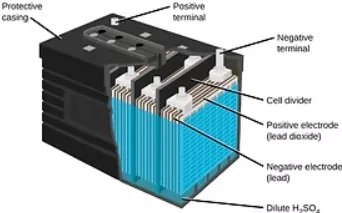
Aircraft batteries—particularly Nickel-Cadmium (NiCd) and Lead-Acid types—play a critical role in powering engine starts, auxiliary systems, and emergency backup circuits. Over time, these batteries experience performance degradation that is not always visible through basic inspection. That’s where a professional aircraft battery capacity tester becomes essential.
For aviation technicians and MRO facilities, proper capacity testing is the most accurate way to enhance performance, extend service life, and ensure compliance for both NiCd and Lead-Acid batteries.
Understanding NiCd and Lead-Acid Battery Challenges
Before examining how testing enhances performance, it’s important to understand common issues affecting these chemistries.
NiCd Battery Challenges
- Memory effect
- Electrolyte imbalance
- Cell reversal under deep discharge
- Gradual capacity loss
- Thermal sensitivity
Lead-Acid Battery Challenges
- Sulfation
- Reduced charge acceptance
- Internal corrosion
- Capacity fade over cycles
- Voltage instability under load
Both battery types degrade progressively, and visual inspection alone cannot determine true usable capacity.
Why Capacity Testing Is Critical
Standard voltage checks or short load tests provide only surface-level diagnostics. They do not measure true amp-hour output or sustained performance.
An aircraft battery capacity tester performs controlled discharge testing that:
- Measures real capacity under defined load
- Identifies weak cells
- Detects early-stage degradation
- Verifies compliance with rated specifications
This provides aviation-grade accuracy rather than guesswork.
How Capacity Testing Enhances NiCd Battery Performance
1. Detects Memory Effect Early
NiCd batteries are prone to memory effect when repeatedly charged without full discharge. Capacity testing:
- Confirms actual usable capacity
- Identifies when conditioning cycles are required
- Restores optimal discharge behavior
Regular testing helps maintain proper performance levels.
2. Identifies Cell Imbalance
NiCd battery packs contain multiple cells. Weak cells can compromise the entire pack.
Capacity testing:
- Reveals uneven discharge patterns
- Highlights early cell failure
- Prevents unexpected in-service performance drops
This improves reliability during engine start and emergency operation.
3. Improves Lifecycle Monitoring
Tracking discharge results over time allows technicians to:
- Monitor degradation trends
- Schedule proactive replacement
- Optimize maintenance intervals
Predictive maintenance improves both safety and cost control.
How Capacity Testing Enhances Lead-Acid Battery Performance
1. Detects Sulfation Impact
Lead-acid batteries often lose capacity due to sulfation buildup.
A full discharge test:
- Confirms actual amp-hour output
- Reveals hidden performance loss
- Helps determine if reconditioning is viable
This avoids premature replacement or unexpected failure.
2. Verifies Voltage Stability Under Sustained Load
Lead-acid batteries may show acceptable voltage at rest but collapse under sustained demand.
Capacity testing:
- Simulates operational load duration
- Identifies voltage drop behavior
- Confirms airworthiness reliability
This ensures dependable backup power performance.
3. Prevents In-Service Failures
By identifying declining capacity before it reaches critical levels, maintenance teams can:
- Replace batteries proactively
- Reduce unscheduled groundings
- Improve fleet readiness
Preventive action is far more cost-effective than reactive replacement.
Compliance and Documentation Benefits
Both NiCd and Lead-Acid aviation batteries require documented performance verification.
An aircraft battery capacity tester provides:
- Digital discharge curves
- Capacity data logs
- Time-stamped compliance records
- Audit-ready documentation
This simplifies inspections and regulatory reviews.
Supporting Predictive Maintenance Programs
Modern aviation maintenance relies on data-driven strategies.
Capacity testing enables:
- Trend analysis
- Lifecycle forecasting
- Condition-based replacement
- Reduced emergency interventions
This approach strengthens operational planning and resource allocation.
Enhancing Safety Across Battery Chemistries
Regardless of chemistry, reliable capacity verification:
- Reduces risk of emergency system failure
- Improves engine start reliability
- Supports safe flight operations
- Maintains regulatory standards
Accurate testing ensures that both NiCd and Lead-Acid batteries meet operational requirements.
Final Thoughts
NiCd and Lead-Acid batteries remain widely used in aviation due to their proven reliability. However, both chemistries require precise monitoring to maintain peak performance.
A professional aircraft battery capacity tester enhances battery performance by detecting hidden degradation, supporting predictive maintenance, and ensuring compliance. For aviation technicians and maintenance teams, capacity testing is not just a diagnostic tool—it is a critical safeguard for safety, reliability, and long-term operational efficiency.

I’m Leo Knox, the wordplay wizard behind WordsTwists.com where I turn everyday meanings into funny, clever, and creative twists. If you’re tired of saying things the boring way, I’ve got a better (and funnier) one for you!