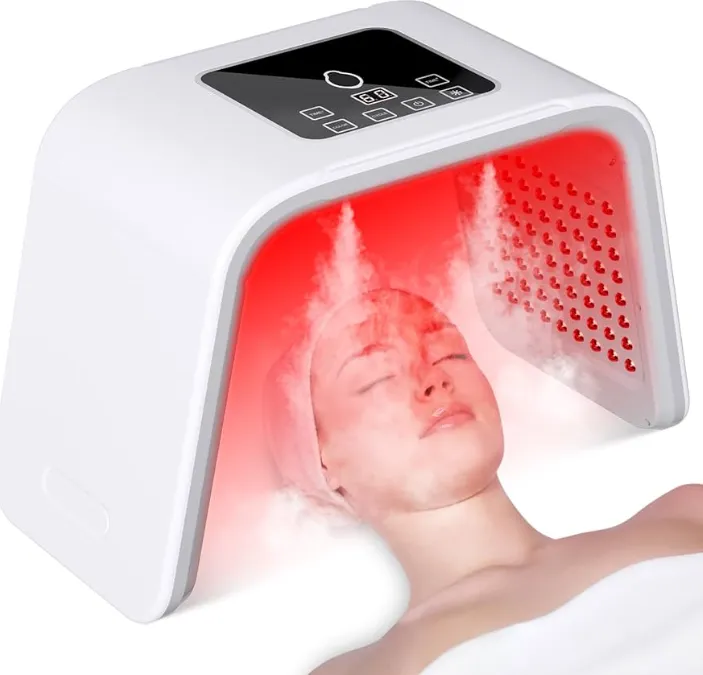
Skin clinics investing in light-based treatments are making decisions that affect not just their service menu, but their daily operations, staff workflows, and client outcomes for years ahead. Equipment choices in aesthetic practice carry more weight than most business purchases because the consequences of poor performance show up directly on the client’s skin — and in the clinic’s reputation.
Photodynamic therapy and LED-based treatments have moved from specialist clinics into mainstream aesthetic practice over the past decade. As the technology has matured, the market has also become crowded. Clinics now face a wider range of equipment options than ever before, with significant variation in build quality, clinical performance, and long-term reliability. Choosing well requires a structured evaluation rather than a response to pricing or promotional pressure.
This guide is written for clinic owners, clinical directors, and senior practitioners who are assessing equipment options and need practical clarity rather than product promotion.
Understanding What a PDT LED Light Therapy Machine Actually Does in a Clinical Setting
Photodynamic therapy using LED arrays works by delivering specific wavelengths of light energy to targeted layers of skin tissue. Different wavelengths interact with tissue at different depths, which means the clinical application of the device — whether it is addressing acne, pigmentation, wound healing support, or collagen stimulation — depends heavily on whether the machine can deliver those wavelengths accurately and consistently over time.
When evaluating a pdt led light therapy machine for clinical use, the first question is not about price or aesthetics. It is about whether the device can reproduce the same energy output across repeated treatment sessions without degradation. This is a mechanical and engineering question, and it distinguishes clinical-grade equipment from devices that may perform well initially but drift in performance over a period of months.
Understanding the clinical mechanism also helps practitioners avoid the common mistake of evaluating machines primarily on the number of light modes or color settings offered. A device with many preset programs is only useful if each program delivers reliable, consistent energy. Variety in settings is secondary to reliability in output.
The Role of Wavelength Accuracy in Treatment Outcomes
LED light therapy depends on the principle of photobiomodulation, which describes how specific wavelengths of light trigger biological responses in cells. The science behind this is well-documented in peer-reviewed literature, including research catalogued through resources such as the National Institutes of Health, where clinical studies on photobiomodulation continue to build the evidence base for its therapeutic applications.
For clinic owners, this matters because the intended clinical outcome depends on the device actually delivering the wavelength it claims. A machine rated for a particular wavelength that produces measurable drift over time will gradually deliver treatment that is misaligned with the intended depth of tissue penetration. Clients may see inconsistent results across a course of treatments, and clinicians may struggle to identify the cause without understanding the equipment’s output characteristics.
When reviewing supplier documentation, look for information about how the device maintains wavelength accuracy as the LED arrays age. This is a legitimate technical question, and manufacturers who produce clinical-grade equipment should be able to answer it directly.
Build Quality and Long-Term Reliability
Aesthetic equipment in active clinical use is subjected to daily handling, repeated positioning adjustments, cleaning protocols, and the general demands of a busy treatment room. Build quality is not a cosmetic consideration — it is an operational one. A machine that requires frequent recalibration, develops mechanical faults in adjustable components, or fails to maintain consistent panel positioning will create downtime, rescheduling, and additional maintenance costs.
The frame, articulation mechanisms, and panel mounting of a PDT LED device should be evaluated as seriously as the light-emitting components themselves. Hinges and positioning arms on lower-quality devices often show wear within the first year of regular use, particularly in clinics running multiple sessions per day.
Evaluating the Cooling and Heat Management System
LED arrays generate heat during operation, and how that heat is managed affects both client comfort and the longevity of the light-emitting components. Devices without adequate thermal management can run at higher surface temperatures during extended sessions, which may reduce client tolerance for treatment durations and accelerate degradation of the LED array itself.
A well-designed cooling system maintains a stable operating temperature across the full treatment duration without relying on breaks in session delivery. For clinics offering treatments of longer duration, this is particularly relevant. Practitioners should ask specifically how the device manages heat during continuous operation, not just during short demonstration periods.
Power Supply Consistency and Electrical Safety
Consistent power delivery to the LED array is a factor that is rarely discussed in marketing materials but has a direct impact on treatment consistency. Fluctuations in power delivery across sessions — whether caused by the internal power supply or by external electrical supply variation — can affect the energy delivered to the client. Clinical-grade devices typically include internal regulation to manage this, while lower-specification equipment may not.
Electrical safety certification is also a non-negotiable consideration. Equipment intended for use in a professional clinical setting should carry appropriate certification for the jurisdiction in which the clinic operates. This is relevant not only for client safety but also for insurance and regulatory compliance purposes.
Supplier Credibility and After-Sales Support
The decision to purchase aesthetic equipment is also a decision about the supplier relationship that follows. A machine is only as useful as the support available when something requires attention — whether that is a technical query, a component replacement, or a software update for devices with digital controls.
Suppliers who serve professional clinical markets should be able to provide clear documentation, accessible technical support, and a realistic picture of the service lifecycle for the equipment they sell. Clinics that purchase devices from suppliers with poor after-sales infrastructure often find themselves unable to get timely support when equipment issues arise, which translates directly into treatment disruption and revenue loss.
Warranty Terms and What They Actually Cover
Warranty documentation deserves careful review before purchase. The most common issue is not the length of the warranty period but the scope of what is covered. Some warranties exclude the LED panels themselves — which are the highest-wear component in the device — or limit coverage in ways that leave the clinic responsible for significant repair costs within the standard expected service life.
Clinics should request a written summary of warranty exclusions before finalising any purchase. It is also worth asking whether the supplier holds replacement parts locally or whether servicing requires international shipping, which can extend equipment downtime considerably.
Training and Onboarding for Clinical Staff
Even well-designed equipment produces poor outcomes when it is used incorrectly. Supplier-provided training for clinical staff is a practical requirement, not an optional extra. Training should cover correct device setup for different treatment protocols, client positioning, contraindication screening relevant to light therapy, and the handling of any error states the device may produce.
Clinics introducing a new pdt led light therapy machine into their service offering should plan for structured onboarding time before the device is used in live client sessions. This reduces the risk of procedural errors during the initial period of use and ensures that staff are confident in the device’s operation before client-facing use begins.
Matching Device Capability to Your Clinic’s Treatment Protocols
Not every pdt led light therapy machine on the market is suited to every clinical application. A device designed primarily for facial treatments may not deliver effective coverage for body applications. A device optimised for single-wavelength delivery may not be appropriate for clinics offering multi-condition treatment protocols that require different wavelength combinations.
The starting point for any equipment evaluation should be a clear map of the treatments the clinic intends to offer, the client populations those treatments will serve, and the session volumes the clinic expects to deliver. Equipment should be selected to match those operational requirements, not the other way around.
Scalability and Future Treatment Development
Clinics that are growing or planning to expand their treatment offerings should consider whether the device they purchase allows for the addition of new protocols over time. Some devices are fixed in their capabilities at the point of manufacture, while others are designed with software or hardware flexibility that allows for protocol additions as clinical evidence and practice standards evolve.
This consideration is particularly relevant for clinics at an early stage of offering light therapy, where the initial treatment menu may expand significantly as practitioners gain experience and client demand develops.
Regulatory and Compliance Considerations for 2025
The regulatory environment for aesthetic equipment continues to develop in most markets. Clinics purchasing equipment in 2025 should confirm that the devices they are considering meet current classification and certification requirements in their jurisdiction. This includes both device safety standards and, in some regions, requirements relating to the clinical evidence base for specific treatment claims.
Purchasing equipment that does not meet current regulatory requirements creates compliance risk and may affect the clinic’s ability to operate specific treatments or to obtain appropriate professional liability coverage. Regulatory status should be confirmed directly with the supplier and, where necessary, with the relevant regulatory body.
Conclusion
Choosing the right PDT LED light therapy machine for a skin clinic is a decision that combines clinical, operational, and commercial considerations. The factors that matter most are not the ones most prominently featured in product marketing — they are the engineering characteristics that determine reliability over time, the supplier relationships that determine support quality, and the alignment between device capability and clinical intent.
Clinics that approach this decision with a structured evaluation process — focusing on output consistency, build quality, supplier credibility, and regulatory compliance — are significantly better positioned to achieve reliable clinical outcomes and sustainable equipment performance. Devices purchased on the basis of price alone, or on the strength of promotional materials, frequently underperform in active clinical environments and carry hidden costs in downtime, maintenance, and inconsistent results.
The investment in a well-chosen device, supported by a credible supplier and properly integrated into clinical workflows, creates a foundation for consistent treatment delivery that serves both the clinic’s reputation and its clients’ outcomes over the long term.

I’m Leo Knox, the wordplay wizard behind WordsTwists.com where I turn everyday meanings into funny, clever, and creative twists. If you’re tired of saying things the boring way, I’ve got a better (and funnier) one for you!