Introduction
In today’s technology-driven world, managing multiple electronic devices has become a daily necessity. From smartphones and laptops to smartwatches and gaming consoles, our homes and workspaces are filled with gadgets that require constant charging. This is where a power strip and a portable power bank become extremely valuable.
Both devices serve different but complementary purposes. A power strip helps organize and expand electrical outlets in homes and offices, while a portable power bank provides backup energy when you are away from a wall socket. Together, they create a reliable and flexible power management system suitable for professionals, students, travelers, and families.
Understanding how these tools work and how to choose the right ones can help improve safety, convenience, and efficiency in your daily routine.
What is a Power Strip?
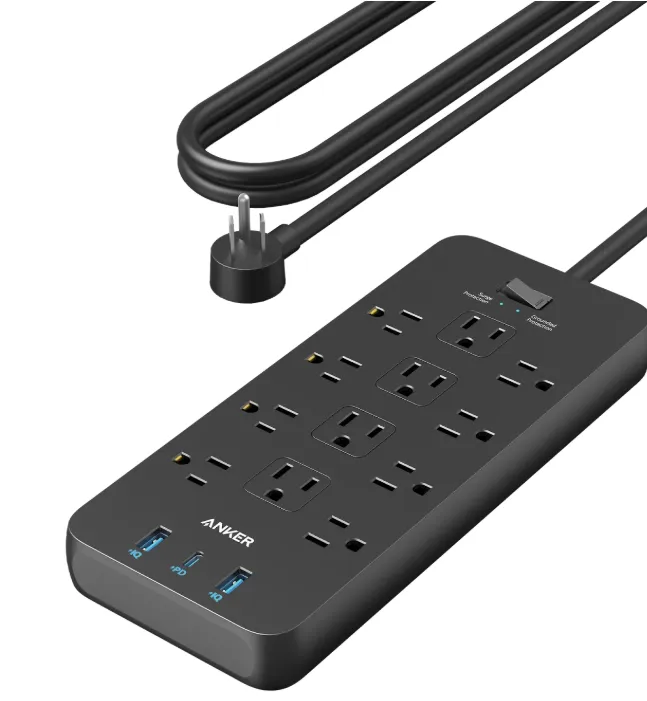
A power strip is an electrical device that expands a single wall outlet into multiple outlets. It allows you to plug in several electronic devices at the same time. Power strips are commonly used in offices, home workstations, entertainment centers, and charging stations.
Modern power strips often come with additional features such as:
- Surge protection
- USB charging ports
- Individual on/off switches
- Overload protection
- Child safety shutters
These features make a power strip more than just an outlet extender. It becomes a central hub for safely powering multiple devices.
For example, in a home office setup, you might connect your laptop charger, monitor, printer, router, and phone charger to a single power strip. This keeps cables organized and ensures all devices can operate simultaneously without constantly switching plugs.
Benefits of Using a Power Strip
1. Multiple Device Support
A power strip allows you to connect multiple devices to one wall outlet. This is especially useful in rooms with limited electrical sockets.
2. Surge Protection
Many advanced power strips include built-in surge protection. This protects your electronics from voltage spikes caused by lightning or power fluctuations. Sensitive devices like computers and televisions benefit greatly from this feature.
3. Improved Organization
Using a power strip helps reduce clutter by centralizing your device connections in one place. Some models even offer flat plug designs and cable management features.
4. Energy Efficiency
Certain power strips include master control switches, allowing you to turn off multiple devices at once. This reduces standby power consumption and lowers electricity costs.
What is a Portable Power Bank?
A portable power bank is a compact battery storage device designed to charge electronics without requiring a wall outlet. It stores electrical energy and allows users to recharge smartphones, tablets, wireless earbuds, and even laptops while traveling or during power outages.
Portable power banks come in various capacities, typically measured in milliampere-hours (mAh). Higher capacity means more charging power. For example:
- 10,000mAh for daily smartphone backup
- 20,000mAh for multiple device charges
- 30,000mAh or more for heavy users or long trips
Modern portable power banks often support fast charging technologies and feature USB-C ports for quicker input and output.
Benefits of a Portable Power Bank
1. Charging On the Go
A portable power bank ensures your devices stay powered during travel, outdoor activities, or emergencies. It is perfect for commuters and frequent travelers.
2. Emergency Backup
During unexpected power outages, a portable power bank can keep essential devices running, allowing communication and internet access.
3. Compact and Lightweight
Most portable power banks are small enough to fit in a backpack or pocket, making them highly convenient.
4. Fast Charging Support
Many modern power banks support quick charge and Power Delivery technologies, reducing charging time significantly.
Power Strip vs Portable Power Bank
Although both devices supply power, they are designed for different situations.
- A power strip requires a wall outlet and is ideal for stationary setups like homes and offices.
- A portable power bank works without a wall socket and is best suited for mobility and travel.
In simple terms, a power strip expands your access to electricity indoors, while a portable power bank gives you access to stored electricity anywhere.
Using both ensures you are covered whether you are at home or outside.
Choosing the Right Power Strip
When selecting a power strip, consider these factors:
Surge Protection Rating
Look for a high joule rating for better protection against voltage spikes.
Number of Outlets
Choose a power strip with enough outlets to meet your needs without overcrowding.
USB Ports
Some models include built-in USB ports, reducing the need for extra adapters.
Safety Features
Ensure it includes overload protection, fire-resistant materials, and safety certifications.
A high-quality power strip protects valuable electronics and improves efficiency.
Choosing the Best Portable Power Bank
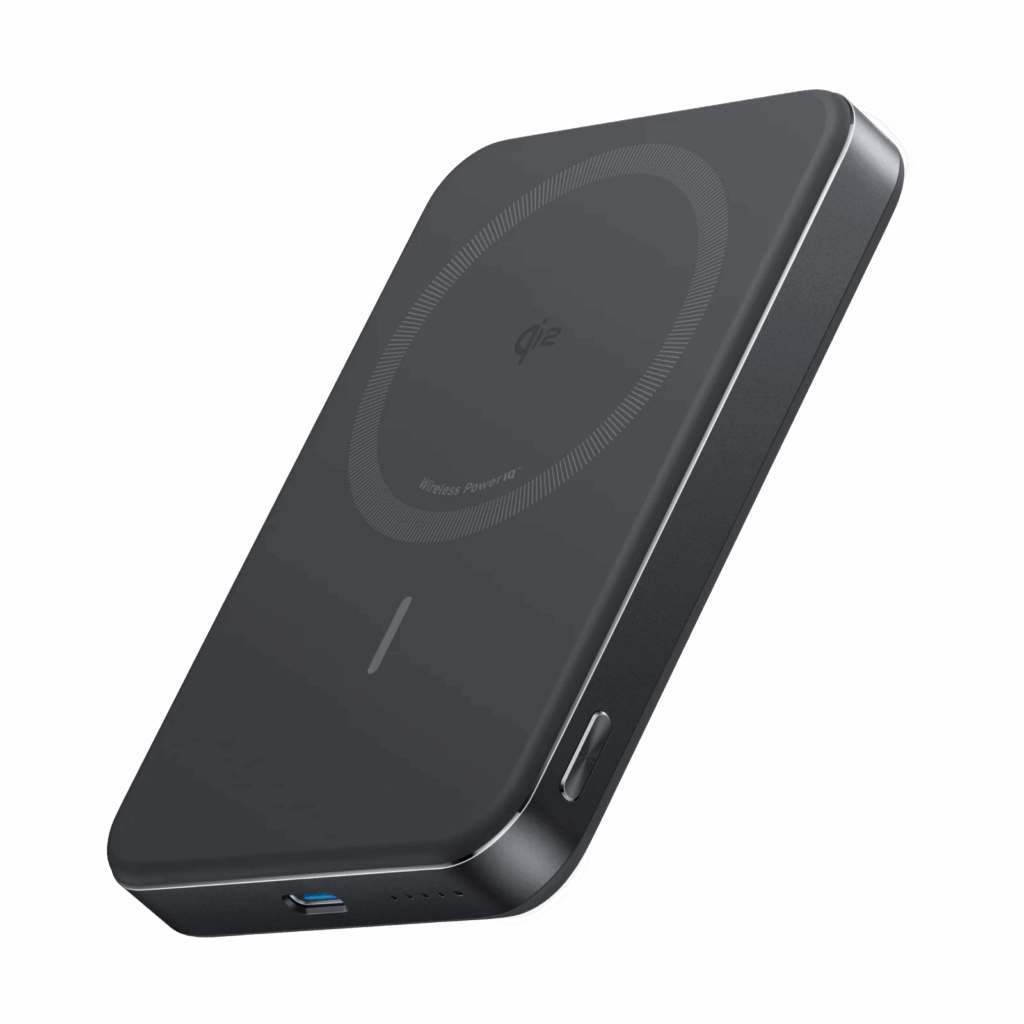
When buying a portable power bank, keep these points in mind:
Battery Capacity
Select a capacity based on how often you need backup power. For daily use, 10,000mAh is sufficient. For travel, 20,000mAh or higher is recommended.
Charging Speed
Look for fast charging support, especially USB-C Power Delivery.
Number of Ports
Multiple output ports allow charging more than one device simultaneously.
Build Quality and Safety
Choose a power bank with protection against overheating, overcharging, and short circuits.
Investing in a reliable portable power bank ensures safe and consistent performance.
Ideal Use Cases
Home Office Setup
A power strip can connect your monitor, laptop charger, printer, and desk lamp, while a portable power bank acts as backup during sudden outages.
Travel
Carry a portable power bank to charge your phone and earbuds, while using a compact power strip in hotel rooms where outlets may be limited.
Gaming and Entertainment
A power strip can power consoles, televisions, and speakers. A portable power bank keeps controllers or mobile devices charged.
Students and Remote Workers
Students can use a power strip in dorm rooms for multiple devices, while a portable power bank ensures uninterrupted study sessions on the go.
Safety Considerations
Always avoid overloading a power strip beyond its rated capacity. Plugging high-wattage appliances like heaters into standard strips can cause overheating.
For portable power banks, use certified charging cables and avoid exposing the device to extreme heat. Store it properly when not in use.
Proper maintenance increases the lifespan of both devices and ensures user safety.
Conclusion
A power strip and a portable power bank are essential tools in today’s connected world. While a power strip expands your access to electrical outlets at home or in the office, a portable power bank provides mobile charging convenience wherever you go.
Together, they create a complete power management solution that improves efficiency, safety, and flexibility. Whether you are managing a busy workspace, traveling frequently, or preparing for emergencies, investing in high-quality power solutions ensures your devices remain powered at all times.

I’m Leo Knox, the wordplay wizard behind WordsTwists.com where I turn everyday meanings into funny, clever, and creative twists. If you’re tired of saying things the boring way, I’ve got a better (and funnier) one for you!