

How can a T-shirt or cap help a racing driver become a star? Apparel connects the high-speed, often distant cockpit to everyday life. Clothing helps grow driver fanbases by giving fans something real they can wear, turning casual viewers into active promoters of the driver.
When a fan wears a driver’s logo, they are doing more than getting dressed. They are showing loyalty, joining a wider community, and taking the driver’s brand into streets, gyms, schools, and workplaces far from the track.
In the past, supporting your favorite team usually meant wearing stiff, awkward “team kit” that only felt right in the grandstand. Now, lifestyle-focused merch has changed how fans connect. The growing demand for high-quality Liam Lawson merch is part of a bigger movement: young, exciting drivers using fashion to lock in their place in the sport.
By mixing performance-inspired looks with current street style, drivers reach people who may not watch every race but love the culture and style around racing.
How Apparel Builds Driver Identity and Loyalty
Apparel as a Tool for Personal Expression and Belonging
For serious racing teams and drivers, apparel is more than a way to make money. It is a key tool to build a clear identity. Every successful driver has a brand, and clothing is the visible form of that brand’s values.
When fans put on a certain cap or hoodie, they join a shared “uniform” that creates a strong sense of belonging. This emotional link is key for loyalty; it can turn light interest into long-term support for a driver’s career.
You can see this sense of community clearly at live races. In a crowd of thousands, spotting someone in the same driver’s gear creates an instant connection. This “tribe” feeling in motorsport grows stronger when teams use smart design choices-like special patches or standout color schemes-so fans feel like members of a close group, not just another person in the stands.
The Influence of Style and Fashion Trends in Motorsport
The look of racing clothing has changed a lot. It has moved away from loud prints full of flames and checkered flags toward cleaner, simpler designs. A big example of this shift is Mercedes Team Principal Toto Wolff, who helped popularize sharp, screen-printed white shirts instead of heavy, embroidered ones.
Screen printing keeps logos neat and protects technical fabrics-like waterproof jackets-from damage caused by thousands of needle holes.
But fashion repeats itself. Lately, there has been a comeback of bright, bold styles inspired by mid-90s NASCAR gear. This “retro” look helps drivers connect with older fans who remember that era and younger fans who see it as cool and real.
By drawing from different time periods, brands can stand out in a busy market so their clothing is easily seen both trackside and on city streets.
Celebrity Power: Drivers Shaping Fashion and Culture
Today’s drivers are more than competitors; many are style leaders. Lewis Hamilton, often praised for his fashion sense, turned the “grid walk” into a kind of runway, proving that high fashion and top performance can live side by side.
With more than 40 million followers on social media, he can start fashion trends that spread far outside motorsport and bring a wider lifestyle audience into the sport.
Other drivers, like Daniel Ricciardo, launch their own lines based on their personal tastes and heroes, such as Ricciardo’s references to Dale Earnhardt. When drivers put their personality into a collection, fans feel that it is more real and honest. This is why many enthusiasts turn to topracingshop.com to find these unique pieces, as they are buying more than “team merch”; they are buying part of the driver’s story and character, which is a strong way to grow a fanbase in the digital age.
Appeal of Driver and Team Apparel for Expanding Audiences
Appealing to New and Diverse Fan Segments
Netflix’s “Drive to Survive” brought huge numbers of new viewers to racing, many with no family history in the sport. For these new fans, apparel is often their first step in. It makes the sport simple to join and easy to wear day to day.
When merch looks like modern streetwear rather than pure sports gear, teams can draw in people who love the “racing look” even if they are still learning what a DRS zone is.
This growth is not limited to Formula 1. NASCAR, IndyCar, and other series are using docuseries and fashion-led partnerships to reach new groups of people. The aim is to move beyond only hardcore technical fans and present racing as part of popular culture.
Apparel is the main tool in this shift, acting as moving advertising that reaches possible new fans wherever the clothes are worn.
The Role of Female Viewership and Inclusive Designs
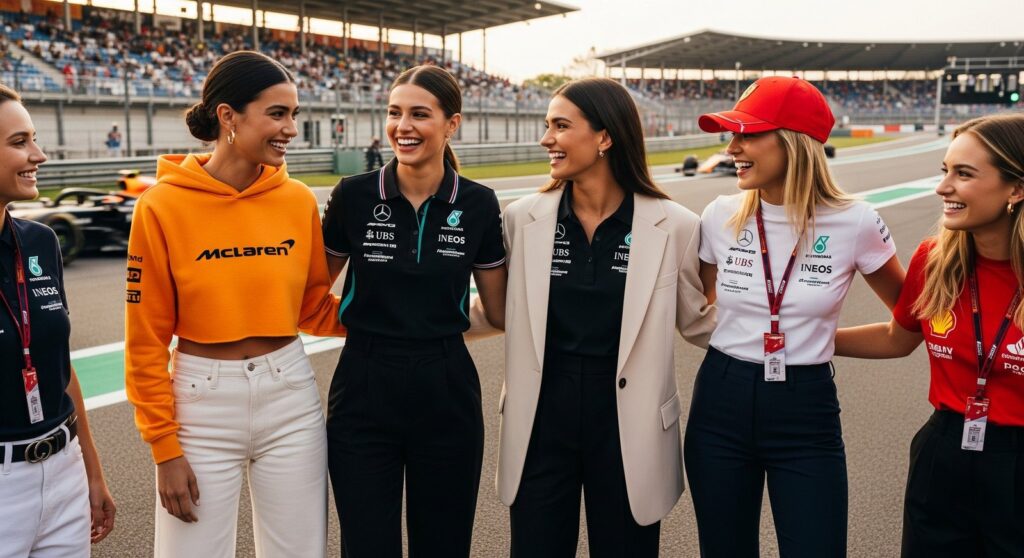
One major change in recent years is the rise in female fans, who now make up around 40% of the F1 audience. In the past, women often had to buy smaller, pink versions of men’s merch that did not match their style.
Today, brands are starting to see that many women form strong emotional ties to what they buy and want outfits that look stylish while still showing support for a driver or team.
Partnerships like McLaren x Reiss and Ferrari’s own fashion line have brought in premium, unisex, and women-specific designs. Many female fans began cutting, cropping, and customizing official pieces to fit their look, and teams responded by offering more fashion-forward streetwear.
By supporting female racers in the F1 Academy and making inclusive clothing lines, teams are seeing big returns from a group of fans who spend carefully and with clear intent.
From Race Day to Lifestyle: Apparel’s Everyday Presence
The shift from wearing fan gear only on race day to wearing it all week has changed brand exposure. Athleisure-clothing that is both sporty and comfortable-has been central to this change, as people want items that feel good and still show their passion. Modern racing gear is built so fans can go straight from the grandstand to a café, office, or gym without changing.
This daily use keeps a driver’s brand fresh in people’s minds. A sleek polo made from performance polyester or a sharp bomber jacket worn at work can start conversations and widen the driver’s reach. The more the clothing looks “normal” and stylish, the more often people wear it, giving drivers and sponsors repeated visibility.
Key Trends Transforming Driver Fan Apparel
Limited Editions and Collaborative Collections
Rarity creates excitement. Limited-edition drops and partnerships between race teams and luxury brands-such as Palm Angels x Haas or the long-term deal between Louis Vuitton and Formula 1-bring urgency and prestige. These pieces often sell out fast and become sought-after items for collectors and fashion fans.
Such collaborations often lead to fresh designs that move past standard fan T-shirts. Palm Angels, for example, created special tees for certain Grand Prix events like Miami, aimed at fans who want to mark their attendance at a major race. This “status symbol” side of clothing helps attract and keep high-spending fans who treat racing merch like art or high fashion.
Customization and Personalization for Fans
People want to stand out, not look like everyone else. Custom options let fans create unique items-adding their name to a jersey, choosing graphics, or picking color combinations. New print methods like DTF (Direct-to-Film) make bright, detailed, custom designs easier and cheaper to produce in small runs.
Personalized items create a stronger emotional link between fan and product. A custom piece is harder to throw away or replace and often means more to the owner. Teams that offer made-to-order options, such as custom kits for promo events, often see engagement soar because fans feel they helped shape their gear instead of just buying it off the shelf.
Athleisure and Streetwear Influence
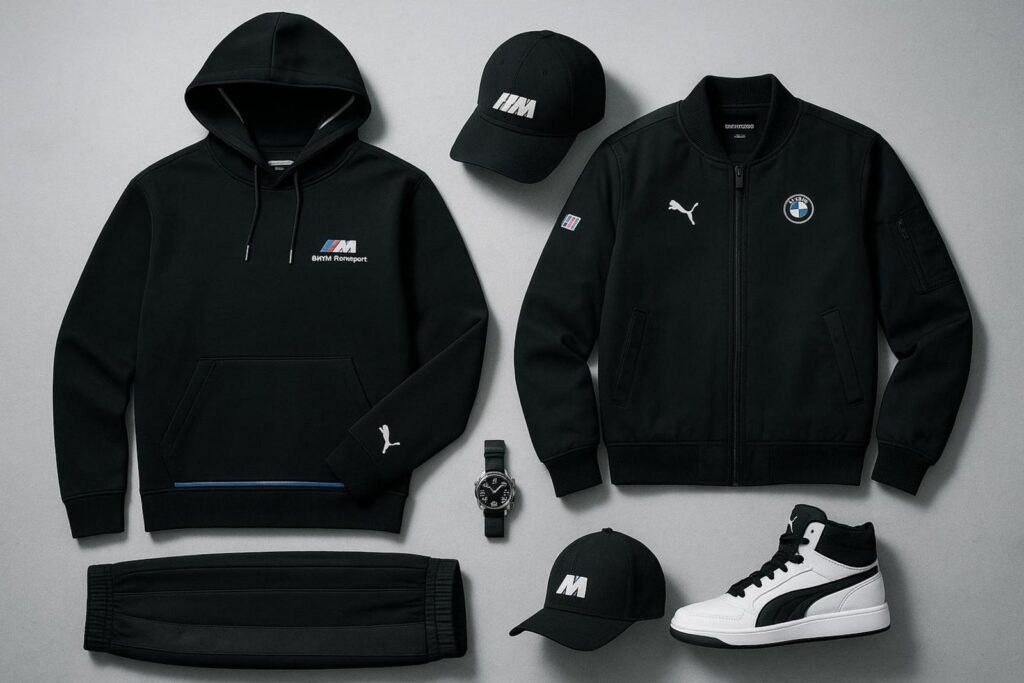
Streetwear and motorsport have long shared a cool, edgy image, but now they are more connected than ever. Deals like Huf working with Toyota Racing Development (TRD) on work jackets and racing sweaters show how racing style is spreading into skate and street culture. This mix brings driver brands to people who may never have followed a race before.
Athleisure focuses on comfort and ease of movement. By using high-quality fabrics and smart cuts, racing brands now offer pieces that fit the modern desire for easy, everyday fashion instead of stiff, formal clothing. This keeps fan merch relevant in a world where casual style dominates offices, campuses, and social settings.
Sustainable and Eco-Friendly Materials in Racing Apparel
As concern for the environment grows worldwide, racing apparel brands are shifting to greener methods. Organic cotton supports cleaner farming and avoids harmful chemicals. Recycled polyester cuts down on new plastic use and turns waste into useful fabric.
Many brands are also moving to low-impact dyes and water-saving processes. These steps appeal to fans who care about the planet and may worry about motorsport’s footprint. By tying their clothing lines to environmental responsibility, drivers and teams can build fanbases that are loyal and values-driven.
How Social Media and Technology Amplify Apparel Impact
Visual Storytelling: Instagram, TikTok, and Fan Content
Racing looks exciting on camera, so platforms like Instagram and TikTok are perfect places to show off apparel. Fans often share “outfit of the day” posts from race weekends, turning themselves into walking billboards for the drivers they love. This kind of fan-made content often feels more real than normal ads, so it can be more persuasive.
Drivers also use these platforms to show their outfits and tease new drops to millions of followers. This creates ongoing buzz and keeps fans talking. Because social media is so visual, a well-designed hoodie or jacket can spread quickly, reaching huge audiences within hours.
Digital Enhancements and NFT Apparel in Motorsport
Digital items are becoming a major part of fan engagement. NFTs (Non-Fungible Tokens) give fans a way to own one-of-a-kind digital clothing pieces that can live in online worlds or serve as rare collectibles. This meets the rising demand for digital ownership and opens a new income stream for drivers and teams.
Augmented Reality (AR) also plays an important role. With AR filters, fans can “try on” caps, shirts, or jackets on their phones before buying. This makes online shopping feel more like an in-store visit and keeps fans interacting with the brand. These tools help keep the fan-apparel connection active and modern.
eCommerce Platforms: Reaching a Global Audience
The international growth of racing is strongly supported by online stores. Fans almost anywhere can order their favorite driver’s merch with a few taps. Modern eCommerce sites offer smooth browsing, product suggestions, secure checkout, and worldwide delivery.
This reach matters for building global fanbases. Someone in Japan can wear the same driver hoodie as someone in Brazil, helping create a shared worldwide community. Easy online access and fast shipping mean a piece of fan gear is usually only days away from any supporter.
Business Impact of Apparel on Motorsport Teams and Drivers
Merchandise Revenue and Brand Extension
Merch sales play a big role in team finances. For some outfits, income from T-shirts, hats, and jackets can match or even beat ticket sales. This gives teams a steady flow of money that depends less on race results and more on how strong their brand is.
Clothing and accessories also help teams stretch their brand into new areas. By offering items like headphones, bags, or home décor, teams can reach people who might not buy a jersey but will buy something that fits their lifestyle. This wider product mix makes the brand more visible and attractive to sponsors and partners.
Speed to Market: Trends in Production and Fulfillment
Racing changes fast, and sponsor lineups can shift in the middle of a season, so quick production is key. Old production cycles of four to six weeks are often too slow. Many suppliers now offer fully custom dye-sublimated crew shirts in as little as two to three weeks.
This speed lets teams react right away when something big happens. If a driver wins unexpectedly or brings in a new sponsor, new merch can be ready by the next race weekend. This agility helps teams get the most from big moments on track and from spikes in public interest.
Counterfeit Challenges and Protecting Brand Integrity
As official merch becomes more popular, fake products also increase. Counterfeits hurt the brand’s image and cost real money in lost sales. To fight this, teams are adding security features like holograms, QR codes, and even blockchain records to prove that items are real.
Protecting the brand’s reputation builds and maintains fan trust. When someone buys official gear, they expect a certain quality level. By making it easier to spot fakes and by policing copycats, teams help keep their brand feeling premium so fans feel confident buying licensed products.
Future Directions for Driver Fan Apparel
Customization, Personalization, and Emerging Technologies
The next stage of fan apparel will focus even more on making each item feel personal. On-demand production will likely become standard, where gear is made for each customer only after they order. This might include custom fits from 3D body scans or color combinations and graphics fans choose themselves.
New tools like “smart fabrics” may also appear. Picture a jacket that changes shade based on a driver’s real-time heart rate, or a shirt with built-in NFC tags that unlock exclusive videos or behind-the-scenes content when tapped with a phone. These ideas will bring together physical merch and digital experiences in new ways.
Sustainability and Social Responsibility
Eco-friendly practices are set to move from optional to expected. Future collections may be fully circular, meaning every item is made so it can be broken down and turned into new clothing at the end of its life. This closed-loop approach will help teams keep their place in a world that watches environmental impact closely.
Clothing will also become a louder voice for social issues. Groups like “More Than Equal” already report that fans are more likely to back brands that stand for diversity and inclusion. Future merch lines will likely include more partnerships with charities and causes so fans can literally “wear their beliefs” when they support a driver or team.
Conclusion: Apparel as a Driving Force in Fanbase Growth
The bond between a driver and their fans is increasingly built through what people wear. Looking ahead, clothing will keep growing from a simple souvenir into a strong tool for storytelling, connection, and identity. For many supporters, their first real link to a driver is not a selfie or autograph; it is the first time they pull on a shirt or cap that makes them feel part of a bigger group.
The emotional meaning tied to these purchases also carries quiet stories about the sport’s past. A retro-style tee does more than look good; it recalls famous wins, iconic cars, and legendary teams. By bringing history, technology, and everyday style together, racing apparel remains one of the most powerful ways for drivers to grow their reach and keep their legacy alive through a loyal, stylish, and global fanbase.

I’m Leo Knox, the wordplay wizard behind WordsTwists.com where I turn everyday meanings into funny, clever, and creative twists. If you’re tired of saying things the boring way, I’ve got a better (and funnier) one for you!

