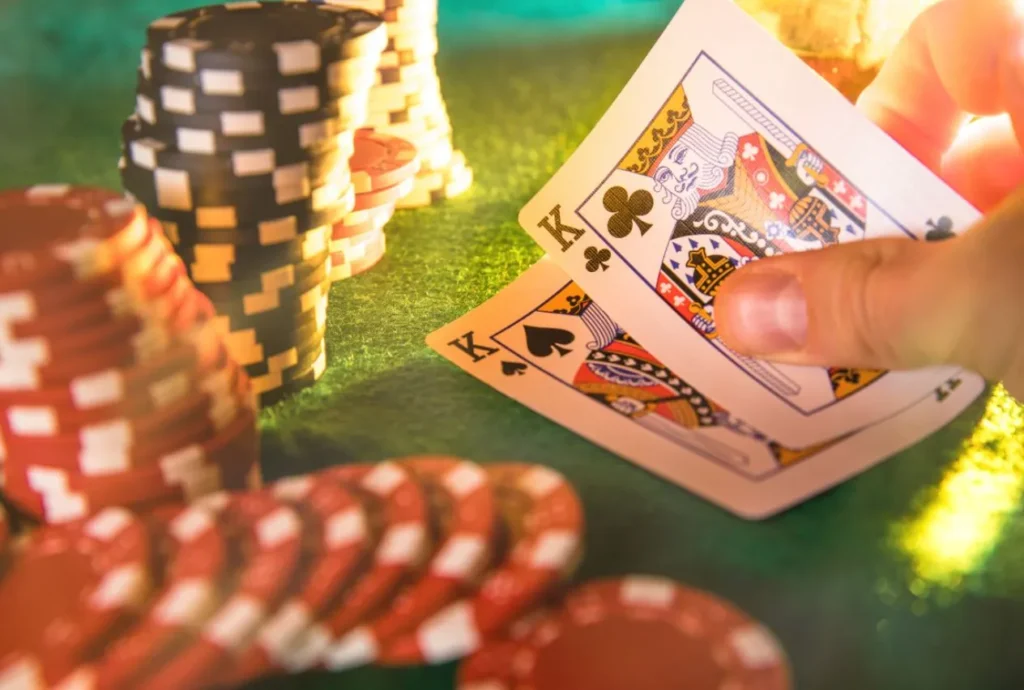
Picture this: you’re sitting across from a seasoned player, cards in hand, and suddenly you realize that poker isn’t just about the cards you’re dealt—it’s about the stories you tell without saying a word. Whether you’re shuffling chips for the first time or looking to refine your game, the journey from novice to pro is paved with calculated risks, psychological warfare, and moments of pure adrenaline that make your pulse quicken.
The beauty of poker lies not just in its complexity, but in how it mirrors life itself. Every decision carries weight, every gesture speaks volumes, and every hand presents a new opportunity to outsmart your opponents. Let’s dive into the strategies that separate the weekend warriors from the true masters of the felt.
Experience the Thrill When You Master the Art of Bluffing
There’s something almost intoxicating about executing a perfect bluff. Your heart hammers against your ribcage as you push chips forward with nothing but air in your hand, yet your face remains stone-cold. The psychological impact of bluffing extends far beyond the immediate hand—it plants seeds of doubt in your opponents’ minds that can pay dividends for hours to come.
Uncover the Psychology That Makes a Bluff Perfect
Bluffing isn’t just about lying; it’s about creating a narrative that your opponents want to believe. When you bluff successfully, you’re essentially becoming a storyteller, weaving a tale so convincing that even you almost believe it. The key lies in understanding that your opponents are constantly trying to piece together the puzzle of your hand based on your betting patterns, timing, and body language.
Consider the legendary bluff by Tom Dwan against Phil Ivey in a high-stakes cash game. Dwan turned a weak hand into a weapon by betting aggressively on every street, forcing Ivey to fold what was likely a stronger holding. The beauty wasn’t in the cards—it was in the conviction behind every bet.
Build Your Bluffing Arsenal to Outsmart Opponents
Effective bluffing requires several key components:
- Timing: The best bluffs come when the board texture supports your story
- Consistency: Your betting pattern should make sense from start to finish
- Opponent awareness: Know who you’re bluffing—some players fold easily, others call with anything
- Image management: Your table image determines how believable your bluffs will be
The art of bluffing becomes even more nuanced when you practice regularly. Platforms like gg poker offer excellent opportunities to hone your bluffing skills against diverse opponents, allowing you to experiment with different approaches without the pressure of live tells.
Why Timing Is Everything When You Bluff
I’ve learned this the hard way—bluffing at the wrong moment is like throwing money into a fire pit. The perfect bluff happens when the community cards tell a story that makes your opponents uncomfortable. If the board shows three spades and you’ve been betting aggressively, your opponent might fold a strong hand fearing you’ve completed a flush.
Remember that one time I tried bluffing against a calling station who’d call with ace-high? Yeah, that didn’t end well. (Cost me half my stack and a round of drinks for my buddies who couldn’t stop laughing.)
Spotting Tells Will Give You an Unfair Advantage at the Table
Have you ever noticed how someone’s voice changes slightly when they’re not telling the truth? Poker tells work similarly—they’re involuntary signals that betray the strength or weakness of a player’s hand. The ability to read these subtle cues can transform an average player into a formidable opponent.
Recognize Physical Tells That Speak Volumes at the Table
The human body is terrible at keeping secrets. When someone has a strong hand, they might unconsciously sit up straighter or lean forward slightly. Conversely, players with weak hands often exhibit defensive postures—crossing arms, leaning back, or creating barriers with their chips.
Watch for these common physical tells:
- Trembling hands when betting (usually indicates strength, not nervousness)
- Touching the face or neck (often suggests discomfort with the situation)
- Changes in breathing patterns (shallow breathing might indicate stress)
- Sudden stillness after movement (attempting to control body language)
Master Verbal and Timing Tells to Gain the Upper Hand
Sometimes what players don’t say is more revealing than what they do. A player who’s been chatty all night suddenly going quiet might be concentrating on a big decision. Conversely, someone who starts talking more than usual might be trying to appear relaxed when they’re actually nervous.
Timing tells are equally revealing. Quick bets often indicate strong hands or obvious bluffs, while long pauses followed by bets usually suggest marginal hands where the player is weighing their options carefully.
For those looking to deepen their understanding of poker psychology and tells, resources like the ggpoker promo code can provide access to educational content and practice opportunities that help you recognize these patterns in real-time.
How to Adapt When Opponents Hide Their Tells
Some players are naturally stoic or have worked hard to eliminate their tells. Against these poker-faced opponents, you’ll need to rely on betting patterns and timing instead. Pay attention to how quickly they act in different situations and how their bet sizing changes based on hand strength.
The best tell-readers don’t just look for one signal—they collect data points throughout a session. That slight hesitation before a bet, combined with a change in posture and an unusual bet size, tells a much more complete story than any single tell could.
Build a Strong Foundation to Elevate Your Poker Skills
Before you can execute brilliant bluffs or read opponents like open books, you need to master the fundamentals. Think of poker basics as the foundation of a house—without solid groundwork, everything else crumbles.
Harness the Power of Position to Dominate the Game
Position in poker is like having the last word in an argument—it’s incredibly powerful. When you act last, you have more information than your opponents, allowing you to make better decisions. Late position players can play more hands profitably because they can see how others act before making their move.
Here’s a simple breakdown of positional advantages:
- Early position: Play tight, strong hands only
- Middle position: Slightly wider range, but still conservative
- Late position: Much wider range, can play more speculative hands
- Button: The most powerful position—play the widest range here
Manage Your Bankroll Wisely to Secure Your Financial Lifeline
I learned this lesson the hard way early in my poker journey. Bankroll management isn’t glamorous, but it’s what separates recreational players from serious ones. The general rule is to have at least 20-30 buy-ins for the stakes you’re playing. This cushion allows you to weather the inevitable downswings without going broke.
For players ready to apply these fundamentals in real games, online poker real money platforms provide the perfect testing ground where proper bankroll management becomes crucial for long-term success.
Select Your Hands Wisely to Meet Starting Requirements
Not all hands are created equal. Premium hands like pocket aces, kings, queens, and ace-king suited should be played aggressively from any position. Medium pairs and suited connectors become playable in later positions, while weak hands should generally be folded regardless of position.
The key is patience. Folding isn’t losing—it’s preserving your chips for better opportunities. Many novice players struggle with this concept, wanting to play every hand for the action. Resist this urge.
Discover the Unexpected Joys That Poker Brings to Your Life
Beyond the strategic complexity and financial incentives, poker offers something unexpected: genuine human connection. Some of my closest friendships were forged over late-night sessions, sharing bad beat stories and celebrating unlikely victories together.
Learn Valuable Life Lessons from the Poker Felt
Poker teaches patience in a world that demands instant gratification. It shows you how to make decisions with incomplete information—a skill that proves invaluable in business and personal relationships. The game forces you to confront your emotions, manage risk, and accept that sometimes you can make all the right decisions and still lose.
These lessons stick with you. I’ve found myself applying poker concepts to everything from job negotiations to investment decisions. The analytical thinking, emotional control, and risk assessment skills transfer remarkably well to other areas of life.
Find Your Poker Tribe and Share the Journey
There’s a unique camaraderie that develops among regular players. You might spend hours trying to take each other’s money, but afterward, you’ll often find yourselves grabbing dinner and discussing hands like old friends. The shared experience of navigating variance, dealing with tilt, and celebrating breakthrough moments creates bonds that extend far beyond the felt.
I still remember the time our regular Friday game turned into an impromptu birthday celebration when someone brought a cake shaped like a royal flush. We paused the game, sang a terrible rendition of “Happy Birthday,” and then promptly went back to trying to bluff each other out of their chips. That’s poker for you—cutthroat competition wrapped in genuine friendship.
Engage with the Poker Community to Enhance Your Experience
The poker community in 2025 is more vibrant and accessible than ever before. Online forums buzz with strategy discussions, hand analyses, and friendly debates about optimal play. Local poker rooms host regular tournaments that welcome players of all skill levels, creating opportunities to learn from more experienced players.
Learn from Others to Enhance Your Poker Skills
Don’t underestimate the value of watching and learning from others. Every player has developed unique approaches to common situations, and observing different styles can expand your own strategic toolkit. Some players excel at tight-aggressive play, while others thrive with loose-aggressive approaches.
Engaging with the community also helps you stay current with evolving strategies. The game continues to evolve, with new concepts and approaches emerging regularly. Players who isolate themselves often find their games stagnating.
Contribute to the Community and Reap the Rewards
As you develop your skills, consider giving back to the community that helped you grow. Share interesting hands in forums, offer encouragement to newer players, and participate in discussions about strategy and theory. Teaching others often reinforces your own understanding and can reveal gaps in your knowledge.
The poker community thrives on this exchange of ideas. By contributing your insights and experiences, you not only help others but also open yourself to feedback that can improve your own game. It’s a win-win situation that enriches the poker experience for everyone involved.
Embrace Advanced Concepts to Fuel Your Poker Growth
Once you’ve mastered the fundamentals, the real journey begins. Advanced concepts like range analysis, game theory optimal (GTO) play, and exploitative adjustments separate good players from great ones.
Think in Ranges to Sharpen Your Poker Strategy
Instead of trying to put opponents on specific hands, think about the range of hands they could have in any given situation. This approach leads to more accurate decision-making and helps you avoid the trap of results-oriented thinking.
When your opponent raises pre-flop from early position, they’re not holding a specific hand like ace-king—they’re holding a range of hands that might include pairs, strong aces, and maybe some suited connectors. By thinking in ranges, you can make more informed decisions about how to proceed.
Balance Your Play to Keep Opponents Guessing
Advanced players understand the importance of balance. If you only bet when you have strong hands, observant opponents will exploit this tendency. Mixing in bluffs and semi-bluffs keeps your opponents guessing and makes your strong hands more profitable.
Creating a balanced strategy means sometimes taking actions that might seem counterintuitive in isolation but make sense as part of your overall approach. This might include occasionally checking strong hands or betting weak ones to maintain unpredictability.
Your Exciting Poker Journey Awaits—Are You Ready?
The path from novice to pro isn’t linear—it’s filled with ups and downs, breakthrough moments and humbling defeats. Every session offers new lessons, whether you’re learning to control tilt after a bad beat or discovering a leak in your game through careful analysis.
Remember that even the greatest players started as beginners. Phil Ivey, Daniel Negreanu, and Vanessa Selbst all had their first hand, their first bluff, their first major win. What separated them wasn’t natural talent alone, but their commitment to continuous improvement and their willingness to learn from every experience.
Your poker journey is uniquely yours. Embrace the challenges, celebrate the victories, and never stop learning. The felt is waiting, and your next great hand could be just around the corner.

I’m Leo Knox, the wordplay wizard behind WordsTwists.com where I turn everyday meanings into funny, clever, and creative twists. If you’re tired of saying things the boring way, I’ve got a better (and funnier) one for you!