A plumbing inspection is an important step in maintaining a safe and functional home. While plumbing systems often operate quietly in the background, small issues can develop over time without obvious signs. An inspection helps identify potential concerns before they turn into disruptive or costly problems. Homeowners may schedule inspections for property purchases, renovations, or routine maintenance, all with the same goal: to understand the condition of pipes, fixtures, and water flow. Knowing what to expect during a plumbing inspection reduces uncertainty and allows homeowners to prepare effectively. When approached with awareness, the inspection becomes a collaborative process focused on prevention, clarity, and long-term reliability rather than reacting to sudden failures.
Understanding the Inspection Process
- Initial Assessment and Visual Review
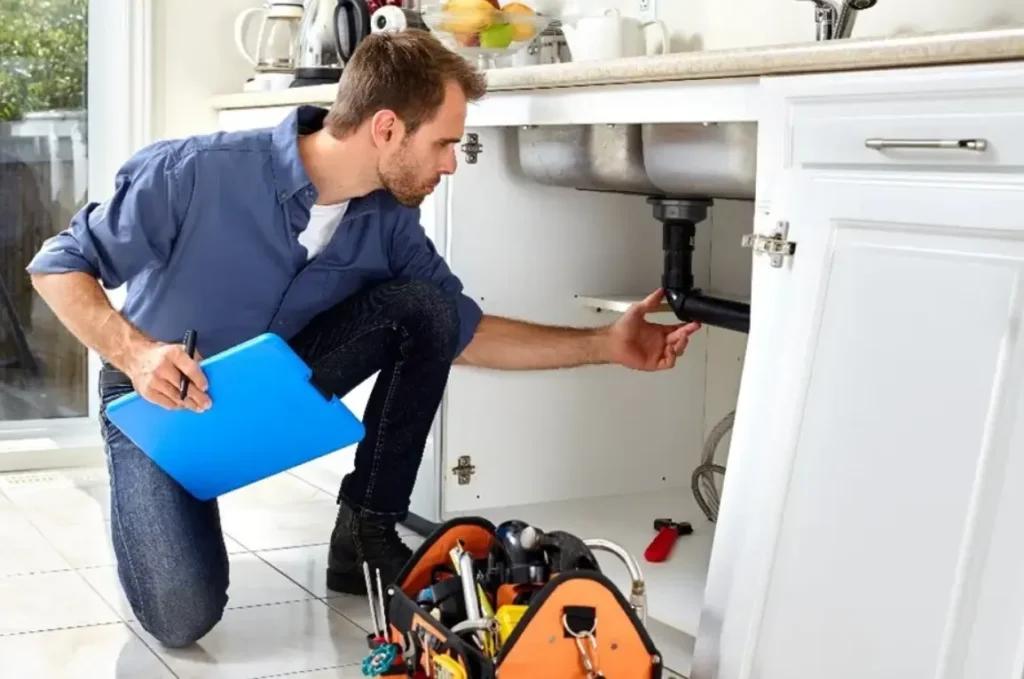
A plumbing inspection usually begins with a general assessment of the property’s plumbing layout. The inspector reviews visible components, including exposed pipes, fixtures, shutoff valves, and water heaters. This stage helps establish an overall picture of how the system is organized and whether any immediate concerns are apparent. Inspectors look for corrosion Utility Pipe Supply, leaks, improper connections, or signs of past repairs. They may also note pipe materials, since age and material type influence durability and performance. This visual review is noninvasive and focuses on identifying areas that may require closer attention later. Homeowners are often surprised by how much information can be gathered simply by observing water pressure, drainage behavior, and fixture condition. This initial phase lays the foundation for deeper evaluation while minimizing disruption.
- Checking Water Flow and Pressure
Water flow and pressure are central to plumbing performance, and inspectors closely monitor how water moves through the system. Faucets, showers, and outdoor connections are tested to ensure consistent flow and appropriate pressure levels. Irregular pressure can indicate hidden leaks, pipe blockages, or aging infrastructure. During this phase, inspectors may run multiple fixtures simultaneously to observe system response. This helps determine whether the plumbing can handle everyday household demand. In some cases, homeowners seeking routine plumbing services schedule inspections to understand better performance issues they have noticed but cannot pinpoint. Observing flow patterns provides insight into potential weaknesses while helping homeowners understand how their system behaves under normal conditions.
- Drainage and Waste Line Evaluation
Drainage is another key focus of a plumbing inspection. Inspectors assess how efficiently water flows from sinks, tubs, and toilets, looking for slow drains or unusual sounds. Poor drainage can signal clogs, venting issues, or improper pipe slope. Waste lines are examined where accessible to check for leaks, buildup, or structural concerns. In some cases, inspectors may recommend further evaluation if warning signs appear, particularly in older homes. Understanding drainage performance is important because issues in this area often worsen gradually and can lead to water damage if left unaddressed. This portion of the inspection helps ensure wastewater flows safely and effectively away from the home.
- Water Heater and Appliance Connections
The water heater is a critical component of the plumbing system and receives careful attention during inspections. Inspectors check the unit’s age, condition, and connections to ensure safe operation. Signs of rust, sediment buildup, or improper venting are noted, as these factors affect efficiency and reliability. Appliance connections for washing machines, dishwashers, and refrigerators are also reviewed. Loose or aging hoses can develop leaks over time. This part of the inspection focuses on safety and longevity, helping homeowners understand how well their system supports daily activities. Clear explanations at this stage enable homeowners to plan maintenance or replacement without urgency or guesswork.
- Identifying Hidden Risks and Preventive Insights
While not all plumbing components are visible, inspections aim to uncover potential hidden risks through indirect signs. Moisture around walls, floors, or ceilings may suggest concealed leaks. Inspectors may use moisture readings or visual cues to identify areas that warrant monitoring. This stage emphasizes prevention rather than immediate repair. By setting conditions that could lead to future issues, homeowners can address concerns early. Preventive insights often include recommendations for maintenance schedules or system updates based on observed wear. This forward-looking approach adds long-term value to the inspection process and helps homeowners make informed decisions.
- Clear Communication and Findings Review
A plumbing inspection concludes with a discussion of findings and observations. Inspectors typically explain what was reviewed, what is functioning well, and where attention may be needed. This conversation is an important part of the experience, as it translates technical observations into practical understanding. Homeowners can ask questions and clarify priorities without pressure. Rather than presenting problems as immediate emergencies, inspections often frame findings in terms of timelines and options. This transparency builds confidence and helps homeowners plan next steps logically. The review phase ensures that the inspection serves as an educational experience rather than a source of confusion or concern.
A plumbing inspection offers valuable insight into a home’s essential systems and provides clarity about current conditions. By understanding what to expect, homeowners can approach inspections calmly and productively. From visual assessments to flow testing and system reviews, each step contributes to a clearer picture of plumbing health. Inspections are not about finding faults, but about understanding performance and preventing future disruptions. With open communication and thoughtful evaluation, a plumbing inspection becomes a practical tool for maintaining comfort, safety, and long-term reliability within the home.

I’m Leo Knox, the wordplay wizard behind WordsTwists.com where I turn everyday meanings into funny, clever, and creative twists. If you’re tired of saying things the boring way, I’ve got a better (and funnier) one for you!