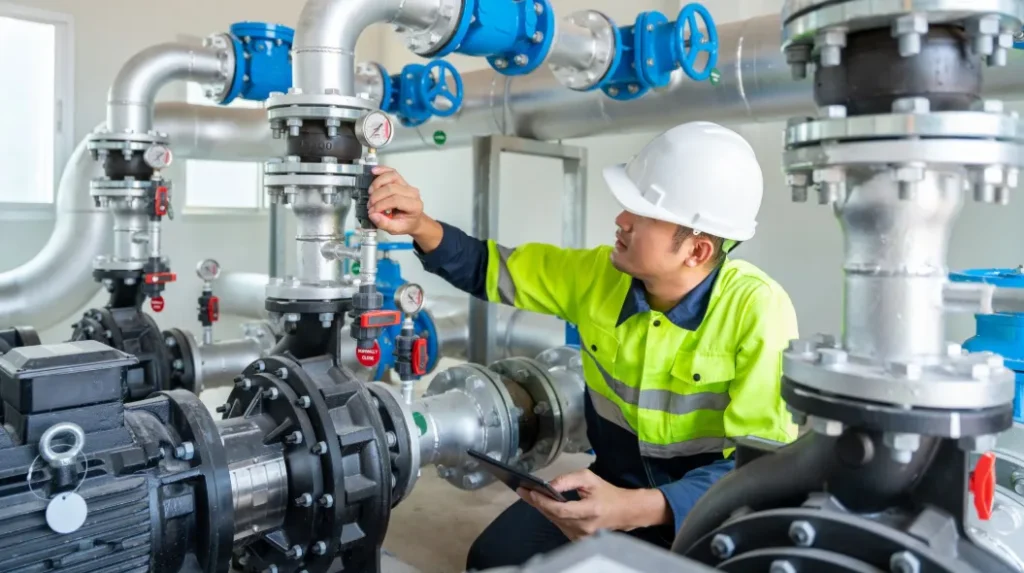
In industrial operations, precision is key. Whether it’s for manufacturing, energy production, or chemical processing, maintaining the accuracy of your systems can directly impact efficiency, safety, and quality. One of the most essential components for ensuring precision is psi controls. These controls regulate critical system parameters, such as pressure, temperature, and flow, ensuring that industrial systems operate within their optimal ranges.
This article explores why psi controls are vital for maintaining precision in industrial systems, and how they contribute to the reliability, safety, and efficiency of industrial operations.
The Role of PSI Controls in Industrial Systems
In any industrial process, maintaining accurate parameters is crucial. A small deviation from the desired setting can lead to equipment damage, product defects, or even dangerous situations. Psi controls are designed to regulate these variables and ensure that systems are operating within their specified limits. These controls offer real-time monitoring and automatic adjustments, providing unparalleled precision in systems such as manufacturing equipment, pressure vessels, and control rooms.
Let’s dive into the specific ways in which PSI controls are essential for precision in industrial systems.
1. Enhancing Accuracy and Reliability
The most critical aspect of psi controls is their ability to maintain consistent and accurate system performance. These controls monitor key parameters—such as temperature, pressure, and flow rate—and make adjustments as needed to keep everything within optimal ranges.
For example, in a manufacturing process, even slight fluctuations in temperature or pressure can lead to defective products or inefficient operations. PSI controls help maintain stable conditions by automatically adjusting the system to meet preset targets. This level of precision ensures that the system performs reliably, reducing errors and improving overall output quality.
2. Preventing Equipment Damage and System Failures
Without proper regulation, extreme fluctuations in system parameters can lead to equipment damage, malfunction, or even catastrophic failures. In industries such as power generation, oil and gas, or chemical processing, such failures can be costly, dangerous, and disruptive.
Psi controls mitigate this risk by providing real-time feedback and making adjustments to avoid dangerous extremes. For example, PSI controls can prevent pressure buildup in pipelines, stop overheating in machinery, or regulate the temperature in critical components to prevent heat damage. This protection helps avoid costly repairs and downtime, ultimately ensuring that operations run smoothly and without interruption.
3. Improving Operational Efficiency
Efficient operation is a priority for any business, and PSI controls play a significant role in streamlining industrial systems. By maintaining precise control over key parameters, PSI controls help ensure that systems are operating at peak efficiency, without the need for manual adjustments or oversight.
For example, in a manufacturing environment, PSI controls can regulate the flow of materials through machines, optimizing production speed and minimizing waste. In addition, by reducing human intervention, these controls reduce the risk of errors or inconsistencies, allowing workers to focus on more complex tasks and improving overall productivity.
4. Enhancing Safety and Compliance
Many industries are subject to strict safety and regulatory standards. For example, the oil and gas industry must adhere to stringent guidelines to ensure the safe operation of machinery and pipelines. Psi controls help ensure that systems stay within safety limits, reducing the likelihood of accidents or safety violations.
By preventing extreme fluctuations in system parameters, PSI controls ensure that equipment operates safely and complies with industry regulations. This helps protect workers from hazardous conditions, minimize the risk of environmental harm, and ensure that companies remain compliant with legal requirements.
5. Enabling Predictive Maintenance and Reducing Downtime
One of the key advantages of psi controls is their ability to provide data on system performance. This data can be used for predictive maintenance, allowing companies to identify potential issues before they lead to system failure.
For example, by analyzing trends in pressure, temperature, and flow, PSI controls can predict when a component is likely to fail or when maintenance is needed. This proactive approach helps prevent unexpected downtime and reduces the need for emergency repairs. By maintaining your equipment proactively, companies can extend the lifespan of their systems and avoid costly emergency maintenance.
Conclusion
Psi controls are crucial for ensuring the precision, reliability, and safety of industrial systems. Whether it’s improving operational efficiency, preventing equipment damage, or ensuring compliance with industry regulations, these controls play a vital role in maintaining optimal system performance.
By providing real-time monitoring and adjustments, PSI controls help maintain the accuracy of system parameters and reduce the risk of errors, failures, and downtime. As industries continue to rely on automation and complex systems, the importance of PSI controls will only grow.

I’m Leo Knox, the wordplay wizard behind WordsTwists.com where I turn everyday meanings into funny, clever, and creative twists. If you’re tired of saying things the boring way, I’ve got a better (and funnier) one for you!