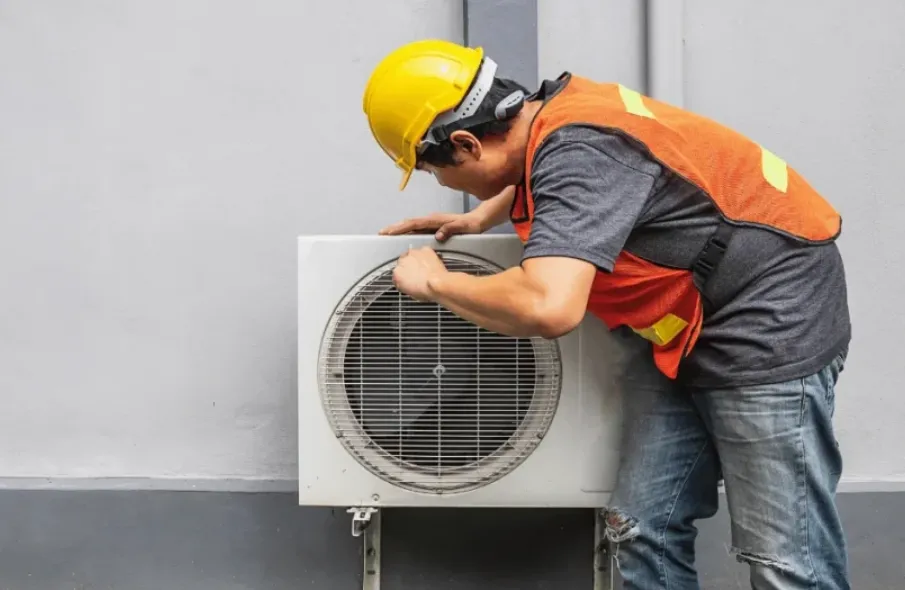
In Bryan, Texas, where the heat and humidity can be relentless, businesses depend on their commercial air conditioning (AC) systems to maintain a comfortable indoor environment for employees and customers. However, just like any other piece of equipment, commercial AC units require regular maintenance to function optimally. Without proper care, these systems can become inefficient, leading to costly repairs and higher energy bills.
This article provides a commercial ac maintenance in Bryan, Texas overview, focusing on the best practices for maintaining commercial AC systems in Bryan, Texas. By following these guidelines, businesses can ensure that their systems operate at peak performance year-round, avoiding unnecessary breakdowns and maximizing their lifespan.
Why Regular Commercial AC Maintenance is Crucial
Maintaining a commercial AC system in Bryan, Texas, is not just about keeping the building cool during the summer months. A well-maintained AC system offers numerous benefits that help businesses run smoothly and efficiently. Here are the top reasons why regular maintenance is crucial for your system:
1. Energy Efficiency
An efficiently running AC system consumes less energy. When the system is neglected, it can work harder than necessary, leading to increased energy consumption. Regular maintenance ensures that the system operates as efficiently as possible, reducing energy bills for the business.
2. Prolonged Lifespan
Commercial AC systems are a significant investment for any business. Routine maintenance helps extend the lifespan of the system by identifying minor issues early and preventing them from turning into costly repairs or complete system failures.
3. Reduced Risk of Breakdowns
Regular maintenance helps identify and address potential problems before they lead to system breakdowns. Unexpected AC failures can disrupt business operations, affect employee productivity, and lead to uncomfortable conditions for customers.
4. Improved Air Quality
A clean, well-maintained AC system provides better indoor air quality by filtering out dust, allergens, and other particles. This is essential for creating a healthy and comfortable environment for employees and customers, especially in industries like healthcare and food service.
Best Practices for Maintaining Your Commercial AC System
To ensure that your commercial AC system operates efficiently throughout the year, follow these best practices for routine maintenance. These practices help keep your system in top condition and prevent costly repairs in the future.
1. Regularly Replace or Clean Air Filters
Air filters are essential for maintaining proper airflow and ensuring that the AC system cools the building effectively. Over time, filters can become clogged with dust, dirt, and debris, which can block airflow and reduce the system’s efficiency. Clogged filters also contribute to poor indoor air quality and can cause the system to overheat, leading to a breakdown.
- Best Practice: Clean or replace air filters every 1 to 3 months, depending on the level of dust and debris in the building. Businesses with high traffic or in dusty environments may need to replace filters more frequently.
2. Clean the Coils
Both the evaporator and condenser coils play a vital role in the cooling process. Over time, dirt and debris can accumulate on the coils, reducing their ability to absorb and expel heat. Dirty coils cause the system to work harder, increasing energy consumption and wear on the components.
- Best Practice: Clean the evaporator and condenser coils at least once a year to maintain proper heat exchange and prevent the system from becoming less efficient.
3. Inspect and Clean the Condensate Drain
The condensate drain removes moisture that the AC system extracts from the air. Over time, the drain can become clogged with dirt and debris, causing water to back up into the system. This can lead to water damage, mold growth, and a decrease in system efficiency.
- Best Practice: Inspect the condensate drain during routine maintenance and clean it to ensure proper drainage. This helps prevent water damage and ensures that the system operates smoothly.
4. Check and Maintain Refrigerant Levels
Refrigerant is the substance that absorbs and expels heat in your AC system. Low refrigerant levels can cause the system to run inefficiently, reducing its cooling capacity. If the refrigerant level is too low, it could indicate a leak, which should be repaired immediately to prevent further damage.
- Best Practice: Have a professional technician check the refrigerant levels and ensure they are adequate. If there is a refrigerant leak, it should be fixed promptly to avoid system malfunction.
5. Lubricate Moving Parts
AC systems have several moving parts, such as fans and motors, that can wear out over time. Lack of lubrication increases friction, which can cause parts to wear prematurely and lead to system breakdowns.
- Best Practice: Lubricate moving parts, such as the fan and motor, during routine maintenance. This reduces friction and wear, ensuring that the system operates smoothly and efficiently.
6. Inspect and Calibrate the Thermostat
The thermostat controls the temperature of your building by regulating when the AC system turns on and off. If the thermostat is not working correctly, it can cause the system to run unnecessarily, leading to higher energy consumption.
- Best Practice: Have a professional technician inspect and calibrate the thermostat to ensure it is reading the temperature accurately. Consider upgrading to a programmable thermostat, which allows for greater control over temperature settings and can help reduce energy consumption.
7. Check for Leaks in the Ductwork
Leaky ductwork can cause cooled air to escape before it reaches its intended destination, reducing the system’s efficiency. Leaks also allow dust, dirt, and allergens to enter the system, lowering indoor air quality.
- Best Practice: Have the ductwork inspected for leaks and ensure they are sealed properly. This prevents air loss, improves efficiency, and helps maintain air quality throughout the building.
When Should You Schedule Commercial AC Maintenance?
The best time to schedule commercial ac maintenance in Bryan, Texas guide is before the peak cooling season, typically in the spring. This allows you to address any issues before the system is under heavy use. However, regular maintenance should be performed at least twice a year, ideally in the spring and fall, to ensure optimal performance year-round.
Signs That Your AC System Needs Immediate Attention
While routine maintenance can prevent most issues, there are times when your AC system may show signs that it needs immediate attention. If you notice any of the following, it’s time to call in a professional:
- Strange Noises: Grinding, rattling, or squealing sounds can indicate that the system’s components are worn out or need lubrication.
- Inconsistent Cooling: If certain areas of your building are warmer than others, it could signal issues with the ductwork or system.
- High Energy Bills: A sudden increase in energy consumption could mean the system is inefficient and needs maintenance.
- Water Leaks: Moisture around the AC unit can indicate a clogged condensate drain or other issues that need to be addressed.
- Unusual Odors: Musty or burning smells can indicate mold or electrical problems in the system.
Conclusion: Keeping Your Commercial AC System in Optimal Condition
Commercial AC maintenance is an essential part of ensuring that your system runs efficiently, reduces energy consumption, and avoids costly repairs. By following best practices like cleaning the filters, inspecting the refrigerant levels, and lubricating moving parts, you can extend the lifespan of your AC system and keep your building comfortable year-round.
Commercial ac maintenance in Bryan, Texas helps businesses save money by improving energy efficiency and preventing expensive breakdowns. With regular maintenance, your AC system can operate at peak performance, providing comfort for your employees and customers while reducing operational costs.

I’m Leo Knox, the wordplay wizard behind WordsTwists.com where I turn everyday meanings into funny, clever, and creative twists. If you’re tired of saying things the boring way, I’ve got a better (and funnier) one for you!