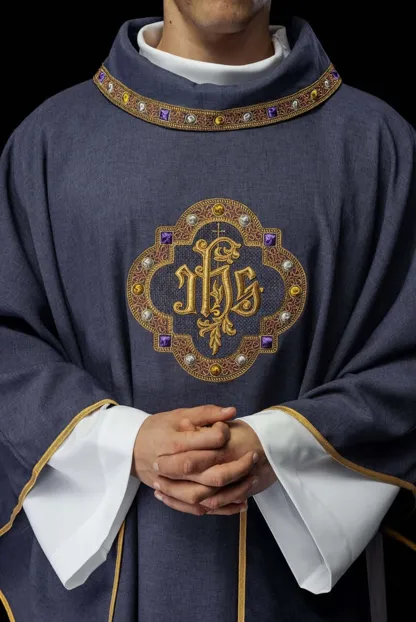
The color purple holds a significant place in Christian liturgy, evoking solemnity, penitence, and royalty. As such, the purple chasuble is a garment of profound spiritual and aesthetic importance, worn during specific seasons like Advent and Lent, as well as for Masses for the Dead and occasions of penance. The beauty of a chasuble lies not only in its color but also in the intricate craftsmanship, the quality of the fabric, and the symbolic embroidery that adorns it. This review delves into some of the most exquisite purple chasuble designs available, celebrating the artistry and devotion poured into these sacred vestments.
The Significance of Purple in Liturgy
Why Purple? Understanding the Symbolic Meaning
The use of purple in liturgical vestments is deeply rooted in tradition and symbolism. It is often associated with repentance and sorrow, making it the primary color for Lent, a season of spiritual reflection and preparation for Easter. During Advent, purple signifies anticipation and hope for the coming of Christ. Beyond penitence, purple also symbolizes royalty and authority, reflecting Christ’s status as King. This dual symbolism makes purple a versatile and powerful color for a variety of liturgical contexts.
Seasons and Occasions for Wearing Purple
The Roman Catholic Church, among other denominations, designates purple as the liturgical color for:
- Advent: The period of preparation leading up to Christmas.
- Lent: The forty-day period of fasting and penance before Easter.
- Masses for the Dead (Requiem Masses): For the repose of the souls of the departed.
- Other Penitential Occasions: Including some votive Masses and days of prayer for specific intentions.
The specific use and interpretation of liturgical colors can vary slightly between different Christian traditions, but the solemn and reflective nature of purple remains consistent.
Exquisite Purple Chasuble Designs: A Showcase
Embroidered Masterpieces: Symbols of Faith
The most striking purple chasubles often feature elaborate embroidery. These designs go beyond mere decoration, incorporating rich theological symbolism. Common motifs include:
- The Chi Rho (☧) or IHS Monogram: Ancient symbols representing Christ.
- The Cross: A universal symbol of Christian faith and sacrifice.
- Floral Motifs: Often lilies (purity), roses (Mary), or vines (Christ as the True Vine), rendered in gold, silver, or contrasting threads.
- Sacred Heart: A devotion symbolizing Christ’s love for humanity.
- Marian Symbols: Such as a lily or a star, referencing the Virgin Mary.
- Dove: Representing the Holy Spirit.
- Lamb of God: Symbolizing Christ’s sacrificial nature.
The quality of the embroidery is paramount. Intricate stitching, the use of metallic threads (gold and silver), and meticulous attention to detail elevate a chasuble from a garment to a work of art.
Luxurious Fabrics: The Foundation of Elegance
The choice of fabric significantly influences the drape, feel, and overall appearance of a purple chasuble. Luxurious materials contribute to the vestment’s dignity and reverence:
- Brocade: Richly patterned woven fabric, often with metallic threads, offering a regal and textured appearance.
- Velvet: Known for its deep pile and soft, luxurious feel, velvet absorbs light beautifully, creating a rich, somber effect perfect for purple.
- Damask: Features intricate woven patterns that are visible due to the contrasting sheen of the threads.
- Silk or Silk Blends: Offer a natural sheen and excellent drape, providing a sophisticated look.
- Modern Synthetic Blends: High-quality polyesters or blends designed to mimic the look and feel of natural fibers while offering durability and ease of care.
The weight and weave of the fabric are crucial for how the chasuble falls and moves, ensuring it presents a dignified silhouette during liturgical rites.
Contemporary Interpretations and Classic Styles
The Roman Chasuble: Timeless Grace
The Roman chasuble, with its fuller, more rounded shape and shorter, wider sleeves, is a classic choice. When crafted in a deep, rich purple, often adorned with a simple yet elegant cross or a subtle embroidered orphrey (a decorative band), it exudes timeless grace and solemnity. Designs often focus on the quality of the fabric and the purity of the color, allowing the spiritual significance to take center stage.
The Gothic (or Fiddleback) Chasuble: Majestic Silhouette
The Gothic chasuble features a more rectangular, less voluminous cut, often with a stiffened front panel (the “fiddleback”). This style can create a striking, almost architectural silhouette. Purple Gothic chasubles, especially those with bold, central embroidery or contrasting orphreys, command attention and convey a sense of spiritual authority. They are particularly favored for more formal or solemn occasions where a strong visual statement is desired.
The Impact of Gold and Silver Embroidery
Gold and silver threads are frequently used in the embroidery of purple chasubles. This choice is not merely aesthetic; it carries profound symbolic weight:
- Gold: Represents divine glory, incorruptibility, and the radiance of Christ. It adds a sense of majesty and reverence, even in penitential seasons, highlighting the hope that underlies seasons like Advent and Lent.
- Silver: Often symbolizes purity, truth, and the divine light. It offers a sophisticated contrast to the deep purple, adding elegance without diminishing the solemnity.
The interplay of deep purple fabric with gleaming gold or silver embroidery creates a visual testament to the faith, transforming the chasuble into a powerful symbol of divine presence.
Choosing the Right Purple Chasuble
Considering the Liturgical Season and Occasion
The choice of a purple chasuble should always align with the specific liturgical season or occasion. For Advent, designs might lean towards symbols of hope and anticipation, perhaps with more subtle embroidery. For Lent, bolder penitential symbols or a more understated design emphasizing the color’s penitential aspect might be appropriate. For Requiem Masses, designs often focus on symbols of eternal rest and resurrection.
Fabric and Embroidery: Balancing Tradition and Practicality
While luxurious fabrics like velvet and brocade are beautiful, consider the practicalities of care and maintenance. High-quality synthetic blends offer a similar aesthetic with greater durability and easier cleaning, which can be a significant advantage for frequently used vestments. The complexity of the embroidery should also be considered; highly ornate chasubles may require specialized cleaning. chasubles.com
The Importance of Fit and Craftsmanship
A well-fitting chasuble is essential for the wearer’s comfort and for the proper presentation of the vestment during services. Look for garments that are expertly tailored, with clean seams and a balanced drape. The craftsmanship, from the stitching of the embroidery to the finishing of the edges, is a key indicator of a chasuble’s quality and longevity.
Conclusion: The Enduring Beauty of the Purple Chasuble
The purple chasuble is more than just a liturgical garment; it is a visual sermon, a symbol of deep spiritual truths, and a testament to the enduring beauty of sacred artistry. Whether featuring classic motifs or contemporary designs, crafted from rich velvets or elegant brocades, a well-chosen purple chasuble enhances the solemnity of liturgical seasons like Advent and Lent, reminding the faithful of themes of repentance, hope, and divine royalty. The selection of a beautiful design reflects a commitment to honoring sacred traditions through exquisite craftsmanship and meaningful symbolism.

I’m Leo Knox, the wordplay wizard behind WordsTwists.com where I turn everyday meanings into funny, clever, and creative twists. If you’re tired of saying things the boring way, I’ve got a better (and funnier) one for you!