Owning an RV in Rochester, Minnesota means planning for long stretches of non-use. Between extended winters, unpredictable shoulder seasons, and limited months of active travel, most recreational vehicles spend more time parked than on the road. During those idle periods, exposure to weather, moisture, and environmental stress quietly shapes the long-term condition of the vehicle.
Storage decisions are therefore not about convenience alone. They are about controlling risk over time. Covered RV storage has become a common option in southern Minnesota because it addresses the most persistent sources of wear without requiring full enclosure or climate control. This covered rv storage Rochester, MN overview helps understand why this matters, it helps to look at what covered storage actually protects against, how Rochester’s climate accelerates damage, and why long-term preservation depends on reducing exposure rather than reacting to repairs.
What a Covered RV Storage Rochester MN Overview Really Represents
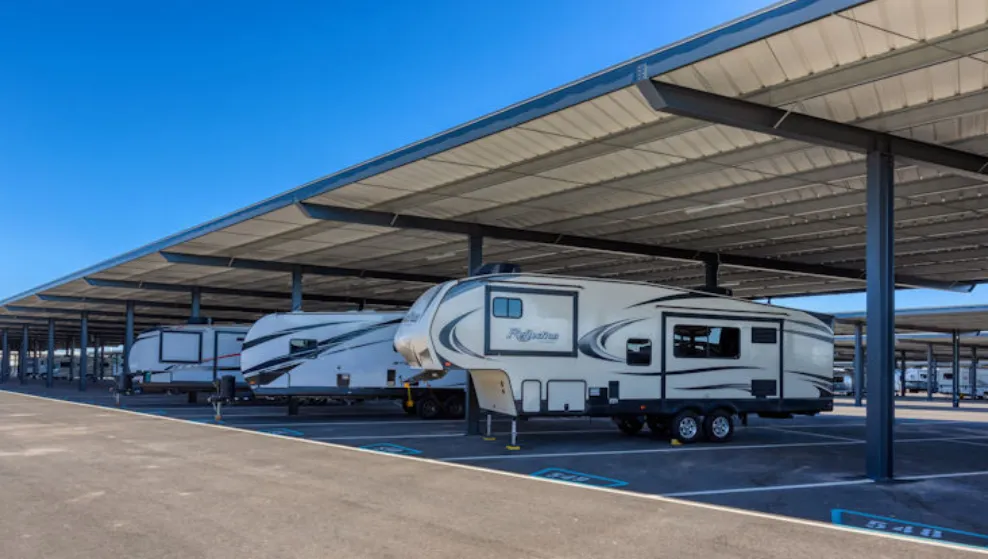
A covered RV storage refers to a storage setup where the RV is parked beneath a fixed roof structure while remaining open on the sides. This design shields the vehicle from direct precipitation, snow accumulation, hail, and prolonged sunlight, while allowing airflow around the unit.
Covered storage does not attempt to isolate the RV from outdoor temperatures. Instead, it focuses on reducing the most damaging forms of exposure that occur when vehicles are left fully outdoors for months at a time. In Rochester, where winter storage can last half the year or longer, this distinction is significant.
The purpose of covered storage is preventative. It limits how much stress the environment places on the RV during inactivity, slowing the processes that lead to deterioration.
Why Rochester’s Climate Accelerates RV Wear
Rochester experiences a combination of conditions that are particularly hard on stored vehicles. Snowfall is frequent and often heavy. Temperatures fluctuate around freezing during fall and spring, creating repeated freeze–thaw cycles. Summer brings storms, hail, and periods of strong sun exposure.
These conditions affect RVs in cumulative ways:
- Snow adds weight to roofs and seals over long periods
- Ice forms in seams and expands as temperatures drop
- Meltwater lingers during spring, increasing moisture exposure
- UV radiation degrades exterior finishes and rubber components
When an RV sits exposed, these forces act continuously. Covered storage reduces their intensity by limiting direct contact rather than attempting to manage damage after it occurs.
Roof Protection and Structural Preservation
The roof is one of the most vulnerable areas during long-term storage. RV roofs are designed to shed water, not to support repeated snow loads or standing ice. Outdoor exposure allows snow to accumulate, melt, refreeze, and stress roof membranes and seams.
Covered storage helps by:
- Preventing snow from accumulating directly on the roof
- Reducing ice formation around vents and skylights
- Limiting standing water during thaw cycles
By keeping precipitation off the roof surface, covered storage lowers the risk of slow leaks that may go unnoticed until interior damage appears months later.
Managing Moisture Without Trapping It
Moisture is a leading cause of long-term RV damage. It affects wood structures, insulation, flooring, and interior finishes. Storage methods that trap moisture can be as harmful as those that expose the vehicle to constant rain and snow.
Covered storage maintains airflow around the RV. This allows moisture to dissipate while overhead protection limits how much water reaches the vehicle in the first place. This balance is important during freeze–thaw periods when condensation and meltwater are common.
Guidance from the U.S. National Park Service on long-term vehicle and equipment storage emphasizes that reducing direct moisture exposure while maintaining ventilation is one of the most effective ways to preserve large vehicles over extended storage periods.
Sun Exposure and Exterior Degradation
Although winter dominates storage planning in Rochester, sun exposure during late fall, spring, and summer also plays a role in long-term wear. Ultraviolet radiation breaks down paint, decals, rubber seals, and plastic components over time.
Outdoor storage accelerates:
- Fading and oxidation of exterior surfaces
- Cracking of seals and trim
- Aging of roof fixtures and skylights
Covered storage limits direct UV exposure without fully enclosing the vehicle. Over multiple years, this reduction slows cosmetic and functional deterioration, preserving both appearance and material integrity.
Undercarriage and Tire Considerations
While covered storage focuses on overhead protection, it also indirectly benefits components below the vehicle. Reduced precipitation means less runoff pooling beneath the RV, which lowers prolonged moisture contact with tires, axles, and suspension parts.
Long-term outdoor exposure can contribute to:
- Tire sidewall cracking from UV exposure
- Corrosion on metal components
- Stress on suspension parts during freeze cycles
Covered storage does not eliminate these risks entirely, but it reduces their severity, especially when paired with proper ground drainage and basic storage preparation.
Ground Conditions and Drainage Matter
Not all covered storage facilities offer the same level of protection. The surface beneath the RV influences how water behaves during snowmelt and heavy rain. Poor drainage can negate some of the benefits of overhead coverage.
When evaluating covered storage, RV owners should consider:
- Whether the surface allows water to drain away
- How ice buildup is managed in winter
- Whether meltwater pools around storage rows
Effective covered storage combines roof protection with stable, well-drained ground conditions to limit moisture-related risks from all directions.
Seasonal Access and Practical Use
In Rochester, RVs are often retrieved early in spring or stored late into fall. Access conditions during these periods can affect both safety and convenience. Covered storage facilities designed for local conditions typically account for snow removal, spacing, and maneuverability.
Practical access features include:
- Adequate clearance for tall RVs
- Space to maneuver despite snowbanks
- Maintained access lanes during winter months
These considerations reduce the likelihood of incidental damage during entry or retrieval when conditions are less than ideal.
Maintenance Burden Over Time
Outdoor storage shifts much of the maintenance burden onto the owner. Snow must be removed from roofs. Covers need adjustment. Exterior cleaning becomes more frequent due to debris and grime.
Covered storage reduces:
- The need for repeated snow removal
- Reliance on RV covers that can trap moisture
- Frequency of exterior cleaning before use
While no storage option eliminates maintenance entirely, covered storage lowers the ongoing effort required to keep the vehicle in ready condition.
Cost Perspective and Long-Term Value
Covered storage typically costs more than open outdoor parking, but the difference should be viewed in long-term terms. Repairs related to roof damage, seal failure, and moisture intrusion often exceed the cumulative cost difference over several years.
Covered storage often helps reduce:
- Frequency of exterior and roof repairs
- Spring recommissioning work
- Long-term cosmetic and structural degradation
For owners planning to keep their RV for many seasons, this preservation effect often translates into better reliability and stronger resale condition.
Who Benefits Most From Covered RV Storage
Covered storage is particularly well-suited to RV owners who:
- Store vehicles for extended winter periods
- Use RVs seasonally rather than year-round
- Want protection without full enclosure
- Prefer lower maintenance demands in spring
Owners who require climate-controlled interiors or frequent winter access may explore other options, but for most recreational use in Rochester, covered storage aligns well with local patterns.
Conclusion: Why Covered Storage Matters in Rochester
Long-term RV protection is rarely about one dramatic event. It is about reducing small, repeated stresses that accumulate quietly over time. In Rochester’s climate, snow, moisture, and sun exposure work together to accelerate wear when vehicles sit idle for months.
A thoughtful covered rv storage rochester mn overview highlights how overhead protection, airflow, drainage, and site design combine to preserve RV condition across seasons. For owners who value reliability, lower repair risk, and long-term vehicle value, covered RV storage offers a practical, climate-aware approach to ownership in southern Minnesota.

I’m Leo Knox, the wordplay wizard behind WordsTwists.com where I turn everyday meanings into funny, clever, and creative twists. If you’re tired of saying things the boring way, I’ve got a better (and funnier) one for you!