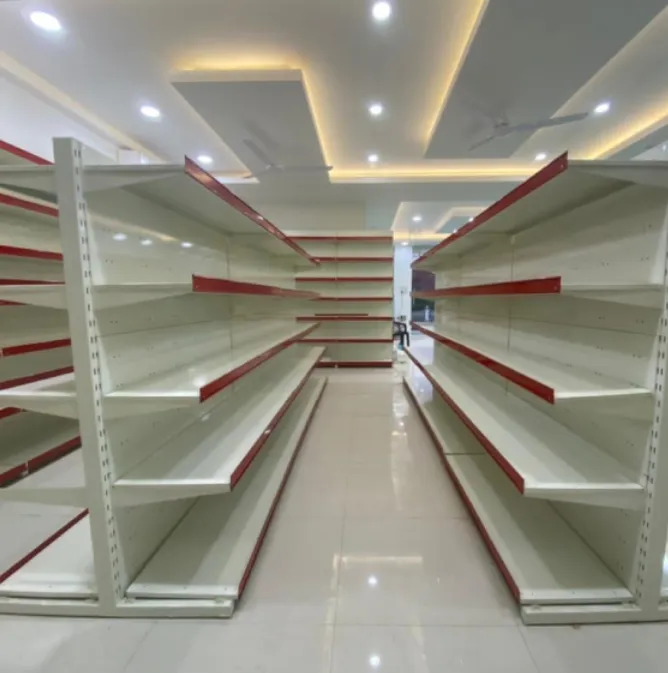
Modern retail is built on predictability. Products must move from suppliers to shelves with minimal friction, consistent quality, and clear accountability at every stage. In fresh produce retail, this requirement is even more pronounced. Vegetables are sensitive to handling, degrade quickly in unsuitable environments, and require frequent movement throughout the day. In cities like Chennai, where climate conditions and retail density amplify these challenges, infrastructure decisions directly affect operational stability.
Vegetable tray racks are a core part of this infrastructure. They influence how produce is stored, rotated, cleaned, and replenished across supermarkets, neighborhood stores, and distribution centers. While often overlooked, these systems quietly shape daily workflows and long-term efficiency. Understanding the role of manufacturers behind these racks helps retailers and distributors make better-informed decisions about how their physical environments support scale and consistency.
What a Vegetable Tray Rack Manufacturers in Chennai Guide Represents in Retail Operations
A vegetable tray rack manufacturers in chennai guide is best understood as an operational reference rather than a supplier comparison. It reflects how tray rack systems are designed to support the movement of perishable goods through high-activity retail environments. Tray racks divide produce into shallow, accessible layers that reduce pressure damage and make stock rotation manageable under constant demand.
Manufacturers based in Chennai operate close to the realities of local retail and distribution. They see how vegetables arrive from wholesale markets, how frequently displays are replenished, and how cleaning and hygiene routines are carried out. This proximity shapes design decisions in ways that generic shelving systems often do not accommodate.
The value of this overview lies in connecting manufacturing choices to real-world retail behavior.
The Shift Toward Structured Produce Infrastructure
Retail produce handling has changed significantly over the past decade. Traditional open piling and floor stacking once dominated markets, but these methods struggle under modern volume and hygiene expectations. As stores scale and customer expectations increase, structure has become essential.
Tray rack systems represent this shift toward controlled handling. By limiting stack depth and introducing defined storage layers, they bring order to environments where speed and freshness must coexist.
Structured tray systems help operations:
- Reduce bruising and compression damage
- Maintain clear visibility of inventory
- Support consistent rotation practices
- Improve handling speed during peak hours
Manufacturers play a central role in refining these systems so they integrate smoothly into contemporary retail layouts.
Chennai’s Climate as a Design Constraint
Chennai’s warm and humid climate places constant pressure on produce storage systems. Moisture accumulation accelerates spoilage, while frequent cleaning introduces water exposure to infrastructure. These conditions demand designs that manage airflow and drainage without compromising durability.
Local manufacturers respond by incorporating:
- Corrosion-resistant materials and finishes
- Slotted or perforated trays to improve airflow
- Designs that prevent water pooling
- Surfaces that tolerate repeated washdowns
These features are not decorative. They are practical responses to daily environmental exposure that directly affect hygiene and shelf life.
Backroom Functionality and Throughput Control
In modern retail, the backroom is a transit space rather than long-term storage. Produce moves quickly from receiving to display, often multiple times a day. Without structured systems, congestion and handling errors increase.
Tray racks introduce discipline into backroom operations by creating defined zones for staging and rotation. Each tray functions as a manageable unit that can be moved independently, reducing the need for restacking.
Effective backroom tray rack design supports:
- Clear separation of incoming and outgoing stock
- Faster replenishment cycles
- Reduced handling time per unit
- Cleaner, more navigable workspaces
Manufacturers who understand these flows design racks that align with retail pace rather than obstruct it.
Supporting Front-of-House Consistency
Produce displays are one of the most visible areas of a supermarket. Customers associate neat, consistent displays with freshness and quality. Tray racks support this perception by standardizing presentation while allowing rapid restocking.
Well-designed systems allow:
- Uniform display heights across sections
- Clear sightlines for customers
- Quick tray replacement without disturbing layouts
- Reduced clutter from crates or loose packaging
Manufacturers often collaborate with retailers to match rack dimensions to aisle widths, lighting placement, and customer movement patterns, ensuring infrastructure supports both function and appearance.
Warehouse and Distribution Applications
Beyond retail floors, tray racks play a critical role in warehouses and distribution centers. These environments handle bulk quantities that must be sorted, staged, and dispatched efficiently. Floor stacking introduces risks related to hygiene, access, and damage.
Tray rack systems bring structure by lifting produce off the ground and organizing it into defined layers. In distribution settings, this supports:
- Faster picking and sorting
- Clear zoning by product type
- Reduced spoilage from uneven stacking
- Easier sanitation routines
Manufacturers designing for distribution often emphasize load stability and vertical capacity while preserving access for frequent movement.
Material Selection and Long-Term Durability
Tray racks in produce environments are subject to constant load variation. Trays are filled, emptied, and refilled throughout the day. Weak materials or poor fabrication lead to warping, instability, and safety concerns.
Manufacturers in Chennai typically consider:
- Daily load cycles and weight variation
- Exposure to moisture and cleaning agents
- Structural stability over extended use
- Compatibility with food-handling environments
Durable construction ensures predictable performance, which is essential in high-volume operations where interruptions ripple through the workflow.
Hygiene, Sanitation, and Food Safety Alignment
Storage infrastructure must support sanitation rather than hinder it. Racks that trap debris or retain water increase cleaning time and hygiene risk.
Tray rack systems designed for produce handling support hygiene by:
- Keeping vegetables off the floor
- Allowing airflow and drainage
- Providing smooth, cleanable surfaces
- Reducing cross-contact between batches
According to guidance from the Food and Agriculture Organization of the United Nations on post-harvest handling, structured storage and proper airflow are key factors in maintaining quality and reducing losses in fresh produce supply chains. Tray-based systems align with these principles when implemented thoughtfully.
Adaptability Across Retail Formats
Chennai’s retail ecosystem includes compact neighborhood stores, large-format supermarkets, and wholesale outlets. Each format presents different space and volume requirements, yet consistency in handling practices remains important.
Local manufacturers often design systems that offer:
- Modular components
- Adjustable tray spacing
- Stackable configurations
- Options for fixed or mobile installations
This adaptability allows retailers to standardize infrastructure while adjusting layouts as store formats or volumes change.
Labor Efficiency and Ergonomic Impact
Staff interact with tray racks continuously. Poor ergonomics slow work and increase fatigue, especially during peak trading hours. Tray height, reach distance, and stability all influence productivity.
Thoughtful design supports:
- Access at practical working heights
- Reduced bending and lifting strain
- Stable tray movement under load
- Clear movement paths around racks
Over time, these factors improve labor efficiency and reduce error rates.
Local Manufacturing and Operational Responsiveness
Sourcing from manufacturers based in Chennai offers advantages beyond design. Faster communication, easier customization, and shorter turnaround times matter in fast-moving retail environments.
Local manufacturing supports:
- Custom sizing for existing spaces
- Rapid modifications during renovations
- Easier alignment with hygiene expectations
- Ongoing support without long lead times
This responsiveness helps retailers adapt infrastructure as operations evolve.
Cost Control Through Fit-for-Purpose Infrastructure
Initial cost is only one part of the investment. Poorly suited racks often lead to higher long-term expenses through waste, repairs, and inefficiencies.
Fit-for-purpose tray rack systems help control costs by:
- Reducing product damage
- Lowering maintenance frequency
- Supporting faster handling
- Extending service life
Manufacturers who understand retail operations help buyers invest in infrastructure that delivers value over time.
Conclusion: Manufacturers as Enablers of Retail Consistency
Vegetable tray racks may appear simple, but they influence how modern retail functions at a fundamental level. They shape produce flow, staff efficiency, hygiene practices, and customer perception.
A clear vegetable tray rack manufacturers in chennai guide places these manufacturers within the broader retail supply chain, not as equipment vendors but as contributors to operational stability. By aligning design with local climate, volume demands, and handling realities, they support modern retail infrastructure that is resilient, scalable, and consistent in daily performance.

I’m Leo Knox, the wordplay wizard behind WordsTwists.com where I turn everyday meanings into funny, clever, and creative twists. If you’re tired of saying things the boring way, I’ve got a better (and funnier) one for you!