Older homes often carry a charm and character that newer construction cannot replicate, but they also come with hidden efficiency challenges. Heating and cooling systems installed decades ago were not designed for modern energy standards. Over time, equipment wear, changes in the home layout, and outdated construction methods can all reduce HVAC performance. Homeowners may notice uneven temperatures, higher utility bills, or systems that struggle during peak seasons. Improving HVAC efficiency in older homes is not about replacing everything at once. It involves understanding how the system interacts with the structure and making thoughtful adjustments that respect the home’s original design while improving comfort and reliability.
Understanding Where Efficiency Is Lost
- Evaluating Existing HVAC Systems and Ductwork
The first step in improving HVAC efficiency in an older home is understanding how the current system operates. Many older houses still rely on original ductwork that may have gaps, poor insulation, or outdated layouts. Air leaks allow conditioned air to escape before it reaches living spaces, forcing the system to work harder. Older equipment may also be mismatched to the home’s current size due to renovations or additions over the years. A careful evaluation reveals where airflow is restricted and where energy is being wasted. Homeowners working with an HVAC Contractor Oceanside often discover that efficiency gains begin with identifying these hidden losses rather than replacing the entire system. Addressing duct sealing, airflow balance, and equipment condition provides a clearer path toward improvement without unnecessary upgrades.
- Improving Insulation and Air Sealing
Older homes were often built with minimal insulation compared to modern standards. Poor insulation allows heat to escape in winter and enter in summer, increasing the load on HVAC systems. Air leaks around windows, doors, and attic access points further reduce efficiency by allowing unconditioned air to mix with indoor air. Improving insulation and sealing gaps helps stabilize indoor temperatures, reducing the frequency with which the HVAC system must run. These improvements do not change the system itself but significantly enhance its operational effectiveness. By creating a more stable indoor environment, HVAC equipment can maintain comfort with less effort. Insulation and air sealing upgrades often deliver noticeable efficiency improvements without altering the home’s appearance.
- Upgrading Controls and System Operation
Older HVAC systems often rely on basic thermostats that lack precise control—inconsistent temperature regulation results in frequent cycling, which increases energy consumption and component wear. Updating controls allows homeowners to manage temperature more consistently throughout the day. Even small adjustments in how a system operates can reduce unnecessary runtime. Older homes may also benefit from adjusting fan settings to promote better air circulation. When airflow is steady, temperatures feel more balanced, reducing the need to adjust settings frequently. Improving system operation focuses on using existing equipment more effectively rather than replacing it. These changes support efficiency while maintaining the home’s original character.
- Maintenance Matters
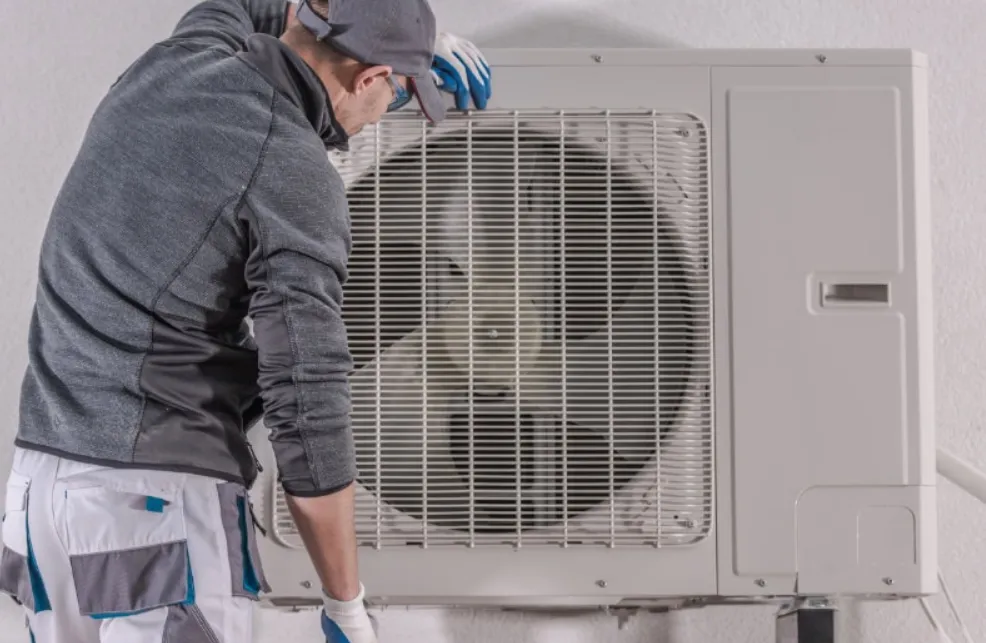
Regular maintenance plays a significant role in improving HVAC efficiency in older homes. Over time, dust buildup, worn components, and restricted airflow reduce performance. Routine inspections keep systems operating smoothly and identify small issues before they escalate. Cleaning coils, replacing filters, and checking connections help older equipment operate closer to its intended capacity. Maintenance does not modernize a system, but it helps preserve what remains functional. Consistent care reduces strain on aging components and supports steadier comfort. For older homes, maintenance is often the most practical efficiency strategy available.
- Balancing Modern Comfort With Historic Design
Many homeowners hesitate to improve HVAC efficiency because they worry about disrupting the historic or architectural features of their homes. Fortunately, efficiency improvements do not always require visible changes. Duct sealing, insulation upgrades in attics or crawl spaces, and system adjustments often remain out of sight. Thoughtful improvements respect the original design while enhancing comfort. Balancing modern expectations with historic structure requires careful planning, but it is achievable. When HVAC efficiency improves, the home becomes more comfortable year-round without sacrificing its unique character. This balance allows homeowners to enjoy both tradition and practicality.
Improving HVAC efficiency in older homes is a gradual process that focuses on understanding existing conditions and addressing weaknesses strategically. By evaluating ductwork, improving insulation, refining system operation, and committing to regular maintenance, homeowners can reduce energy waste and enhance comfort. These changes allow older HVAC systems to perform more reliably without unnecessary replacement. Efficiency improvements respect the home’s original design while adapting it to modern comfort needs. With informed decisions and consistent care, older homes can achieve dependable HVAC performance that feels both comfortable and sustainable for years to come.

I’m Leo Knox, the wordplay wizard behind WordsTwists.com where I turn everyday meanings into funny, clever, and creative twists. If you’re tired of saying things the boring way, I’ve got a better (and funnier) one for you!