Most conversations go off track long before anyone says something truly terrible. The damage often starts in smaller ways. One person begins speaking, and the other person is already preparing a defense, writing a comeback, or deciding what the story means before the sentence is even finished. On the surface, it looks like communication is happening. Underneath, two nervous systems are often competing to protect themselves.
That is why listening instead of reacting can change so much. It creates a different kind of conversation, one where understanding becomes more important than winning the moment. This matters in relationships, at work, in family conflict, and even in practical conversations about money or major life changes. Someone talking through stress while browsing National Debt Relief does not always need an instant opinion first. Sometimes they need enough space to say the full truth out loud without feeling cut off, corrected, or emotionally managed.
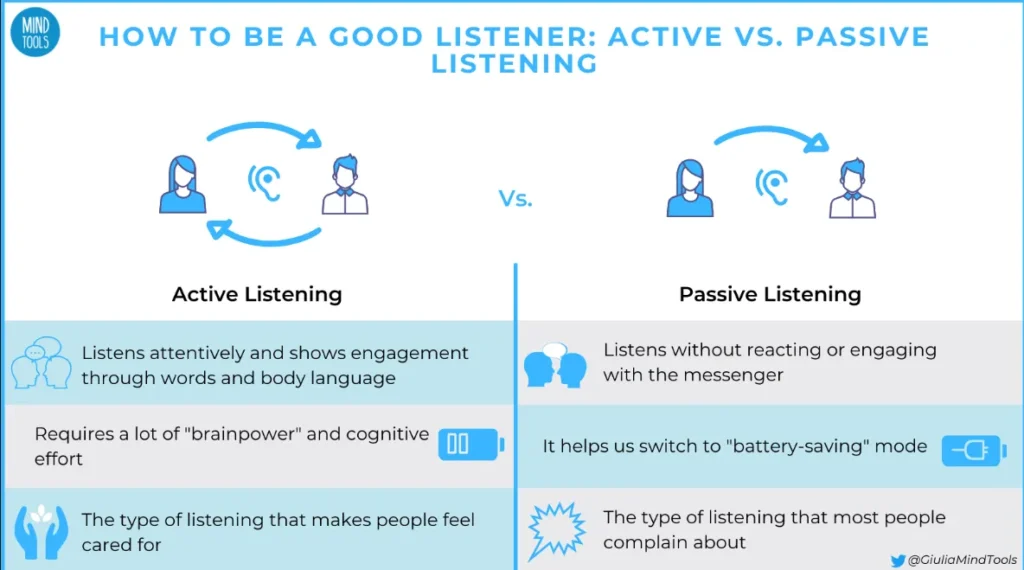
Real listening is not passive. It is an active choice to stay with what the other person is actually saying instead of obeying your first internal impulse. That shift sounds simple, but it changes the whole tone of human connection. It builds trust, lowers defensiveness, and makes conflict less likely to turn into combat.
Reaction is usually faster than understanding
Most people do not react quickly because they are bad listeners. They react quickly because reaction feels efficient. It seems like the mind is helping by jumping in early. It wants to protect you from blame, discomfort, confusion, or vulnerability. So instead of absorbing what is being said, it starts sorting everything into categories like threat, criticism, disagreement, or problem to solve.
The trouble is that fast reaction often creates bad interpretation. You may hear accusation where there was only pain. You may hear rejection where there was only frustration. You may hear a challenge to your identity when someone was actually trying to explain their experience.
That is one reason communication breaks down so easily. People often react not to what was said, but to what they think was meant.
Listening is less about silence and more about restraint
A lot of people think good listening just means not interrupting. That is part of it, but it is not the whole thing. You can stay quiet and still not really listen. You can be outwardly polite while inwardly building your rebuttal.
Real listening requires a different kind of restraint. It asks you to hold back your urge to fix, defend, explain, or redirect long enough to understand the speaker’s actual message. That often means letting the conversation breathe. It means not rushing to make it about your perspective. It means staying curious a little longer than your ego wants to.
HelpGuide makes this point clearly in its guide to effective communication and active listening, explaining that communication is not just about exchanging information, but about understanding the emotion and intention behind what is being said. That is a useful distinction because it shows why listening is such a powerful skill. It is not simply hearing words. It is receiving meaning.
When people feel heard, they usually become less defensive
One of the most practical reasons to listen instead of react is that being heard changes people. When someone feels immediately corrected, argued with, or emotionally dismissed, they often harden. They repeat themselves more forcefully. They become less nuanced. They start protecting their position instead of exploring it.
But when someone feels genuinely heard, the opposite often happens. They relax a little. They clarify. They become more thoughtful. They may even soften their own stance because they no longer feel like they are fighting for basic recognition.
This is one reason empathic listening is so effective in reducing conflict. It does not guarantee agreement, but it lowers the pressure in the room. People are much more likely to stay open when they do not feel erased.
Your first impulse is not always your wisest response
Many conversations improve the moment you stop treating your first emotional impulse like a sacred truth. Maybe you feel accused. Maybe you feel misunderstood. Maybe you feel the urgent need to explain your side right away. Those feelings are real, but they are not always the best guide for what should happen next.
Listening instead of reacting means trusting that understanding the other person first will usually help you respond better later. It gives you more accurate information. It also prevents the kind of quick, defensive replies that often create bigger messes than the original issue ever required.
MindTools describes active listening as fully concentrating, understanding, responding, and remembering, which is helpful because it frames listening as a skillful process rather than a vague personality trait. That matters. Better listening is not something only naturally calm people can do. It is something people practice.
Listening builds trust because it signals safety
Trust is not only built by grand gestures. It is often built in ordinary moments when one person realizes the other is not going to jump on every imperfect phrase. Listening communicates safety. It says, “You can finish your thought here.” It says, “I am not so busy protecting myself that I cannot make room for your experience.”
That kind of safety matters in every kind of relationship. Romantic partners need it. Friends need it. Coworkers need it. Family members definitely need it. Without it, people start editing themselves too heavily, or they explode because subtle communication never seems to land.
When listening becomes part of the culture between two people, conversations become less fragile. Hard topics can be raised without immediately becoming emotional emergencies.
Listening does not mean agreeing with everything
This is where people sometimes get confused. They worry that if they really listen, they are somehow surrendering their own perspective. But listening is not the same as agreeing. It is possible to understand someone deeply and still disagree with them. In fact, disagreement tends to become more useful once understanding is present.
The point is not to abandon your view. The point is to make sure your response is actually connected to what the other person meant. That alone can prevent a huge amount of unnecessary conflict.
A thoughtful response after real listening carries a different quality. It is less reactive, less distorted, and more likely to move the conversation somewhere productive.
The body often reacts before the mind can listen
One thing people overlook is that listening is not just mental. It is physical too. If your body is tense, your breathing is shallow, and your nervous system is already bracing, it becomes much harder to stay open. You may intellectually want to listen, but your body may still be preparing for a fight.
That is why a pause matters. A breath matters. Slowing down matters. Sometimes listening instead of reacting begins with noticing that you are activated and choosing not to answer from that state. That small delay can change everything.
It gives your wiser mind time to catch up with your faster protective reflexes.
Good listening creates better information and better relationships
At its core, listening instead of reacting is not about becoming quiet and agreeable. It is about becoming accurate. It helps you understand what is really being said, what emotion is underneath it, and what kind of response might actually help. That accuracy makes conversations more useful and relationships more trustworthy.
It also makes you less lonely in a subtle way. People who listen well tend to experience deeper connection because others feel safer being real around them. And when people are real around you, the relationship has somewhere honest to go.
That is the real gift of listening. It slows down the impulse to protect yourself just long enough for understanding to enter the room. From there, better responses become possible. So does trust. So does repair. So does the kind of conversation that leaves both people feeling less like opponents and more like human beings trying, however imperfectly, to understand each other.

I’m Leo Knox, the wordplay wizard behind WordsTwists.com where I turn everyday meanings into funny, clever, and creative twists. If you’re tired of saying things the boring way, I’ve got a better (and funnier) one for you!