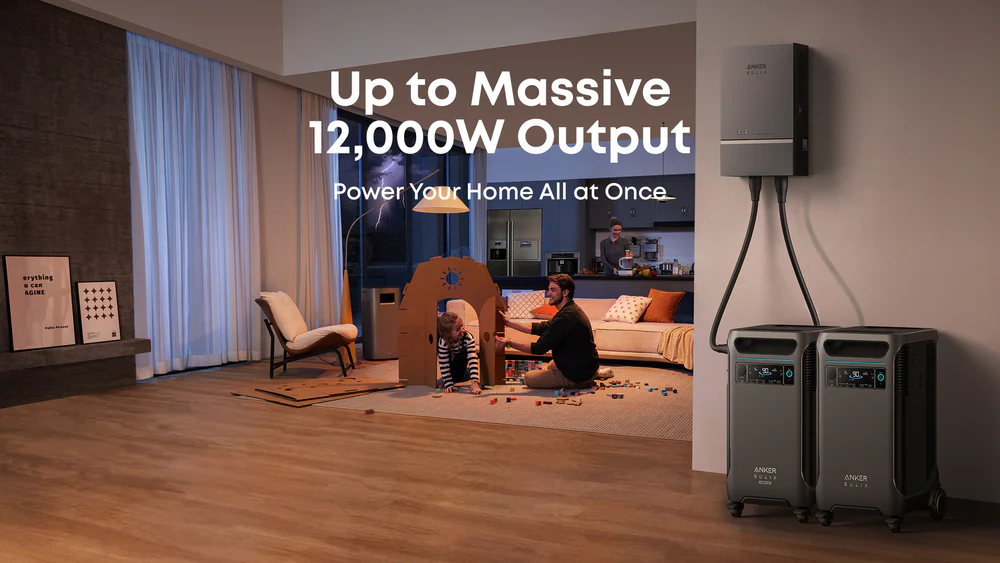
Electricity has turned out to be a necessity in communication, safety, and productivity. The demand to have flexible power solutions has been on the rise as individuals travel more, work remotely, and prepare against emergencies. A portable power station provides a well-organized and trusted means of satisfying these needs. A power station is not only small but efficient and flexible to different circumstances unlike the traditional sources of power.
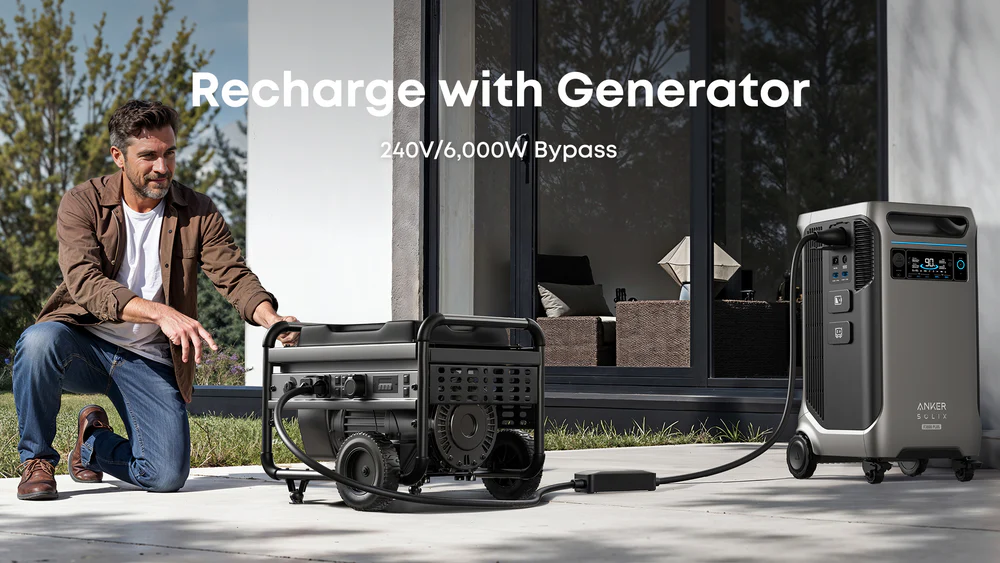
A portable power station is a self-contained device that stores electric energy in a rechargeable battery and provides it through various ports of output. Depending on the model, it may be charged via wall outlets, vehicle chargers or solar panels. This flexibility enables a power station to work both indoors and outdoors without fuel and noise constraints.
Learning How a Power Station Works
A power station is simply a battery system, inverter and a charging controller. The battery holds the energy and the inverter transforms the stored power into electricity that can be used by the common devices. Input power is controlled by charging controllers to prevent overcharging of the system and enhance efficiency in general.
The portable power stations are user-friendly. Display panels with battery level, input and output status, and estimated runtime are included in most of the models. This knowledge can assist users to control the power consumption more efficiently, particularly when they are using it over a long period.
Key Differences Between Power Stations and Generators
One of the areas that have been a source of confusion is the distinction between a power station and a traditional generator. A generator is used to generate electricity by burning fuel, and a power station is used to store electricity and give it out when required. This basic distinction leads to the lower operation, zero emissions, and safer indoor use of power stations.
Portable power stations also need less maintenance since they do not have any moving engine components. This renders them appropriate to those users who desire reliable power without technical sophistication.
Real-Life Applications of Portable Power Stations
Emergency backup is commonly done through portable power stations. They can be used to power up critical devices during power outages including phones, routers, lighting, and medical equipment. This is an ability that assists in sustaining communication and comfort in disruptions.
A power station is used in the outdoor environment to supply electricity to camping, mobile offices and recreational activities. Laptops, cameras and small appliances are able to work without accessing the grid. Portable power stations provide a stable and portable energy source to professionals who work at temporary or remote places.
Home and Travel Power Stations
Portable power stations are used by many households as a backup power source without permanent installations. They are especially helpful to the renters and apartment residents since they do not demand any structural changes. Power stations during travel do not need fuel storage and decrease the reliance on external charging points.
Their small size enables them to be placed in a convenient place and carried around when necessary. This ease and dependability has seen power stations gain popularity among the various lifestyles.
Productivity and Long-term Value
Portable power stations offer long-term benefits in terms of low operating costs. Users do not incur recurrent expenses since they do not need fuel. Solar panels can also be used for charging to minimize reliance on grid electricity and reduce overall energy expenses—an advantage that becomes even more compelling in areas where Arlington electricity rates continue to fluctuate or trend upward.
The technology of the battery has enhanced over the past few years, which has increased the life of the modern power stations. A portable power station can provide reliable performance over several years with proper use, which makes it a cost-effective investment, but not a temporary solution.
Selection of the Appropriate Power Station Capacity
The choice of power station will be based on the intended use. Smaller units can be used to charge personal appliances, whereas bigger power stations can be used to charge appliances and tools. Knowing power requirements will assist in making sure that the selected portable power station will be able to address the daily and emergency needs.
Power stations today usually have several types of outputs, which means that a user can connect several devices at the same time. This is flexible enough to be compatible with older electronics and newer gadgets.
Conclusion
A mobile power station is a convenient and versatile product to meet the current energy demands. A power station helps in supporting daily life, emergency preparedness, and mobile living by supplying quiet, safe, and reliable electricity. Portable power stations are a reliable alternative to conventional sources of power with minimal maintenance, long battery life, and flexible charging.
FAQs
What devices can a portable power station run?
Portable power stations can power phones, laptops, routers, lights, and certain appliances depending on capacity.
Is a power station safe for indoor use?
Yes, power stations produce no emissions and operate silently, making them safe indoors.
How is a portable power station charged?
It can be charged using wall outlets, car chargers, or solar panels.
How long does a power station last on a full charge?
Runtime depends on battery capacity and the power demand of connected devices.
Do portable power stations require maintenance?
They require very little maintenance since they have no fuel engines or moving parts.

I’m Leo Knox, the wordplay wizard behind WordsTwists.com where I turn everyday meanings into funny, clever, and creative twists. If you’re tired of saying things the boring way, I’ve got a better (and funnier) one for you!