Heating and cooling systems are designed to operate for many years, but their actual lifespan depends on more than the equipment itself. Installation quality, ongoing care, and operational adjustments all influence how long a system can perform reliably. Professional HVAC contractors play a central role in shaping this outcome by guiding decisions from the initial setup through years of use. Their involvement helps prevent avoidable strain, reduces breakdown frequency, and supports consistent performance. Understanding how professional oversight affects system longevity underscores the importance of proper planning and ongoing attention for preserving comfort and reliability over time.
Longevity Beyond the Equipment
- How Professional Care Extends Lifespan
Contractor-led installation, maintenance, and performance management influence durability. It also explores how informed adjustments and early intervention support steady operation in residential and commercial settings, keeping heating and cooling systems functional for extended periods. In communities that depend on heating and air conditioning in Frisco, long-term performance often reflects the consistency and quality of professional care applied throughout a system’s life.
- Installation Choices That Set the Tone
The lifespan of an HVAC system is strongly influenced by its installation. Contractors evaluate building size, insulation, airflow requirements, and climate conditions before selecting and placing equipment. When a system is properly sized, it avoids frequent cycling that accelerates wear on compressors, motors, and electrical components. Incorrect sizing or poor placement can cause uneven temperatures and frequent adjustments, increasing mechanical stress. Contractors also ensure that duct connections, refrigerant levels, and electrical systems align with operational requirements. These installation decisions provide a balanced starting point, enabling the system to operate within its intended limits and reducing the risk of premature component failure.
- Routine Maintenance as a Protective Measure
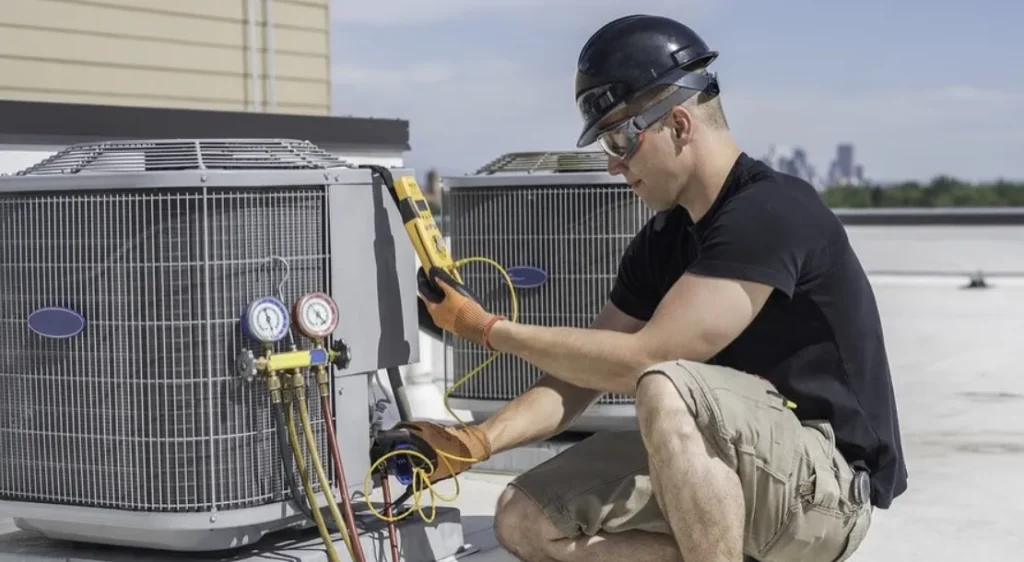
Regular maintenance is one of the most effective ways to extend system lifespan. Contractors perform inspections that include cleaning coils, replacing filters, checking electrical connections, and verifying airflow. These tasks reduce friction, heat buildup, and contamination that gradually degrade components. Maintenance visits also allow contractors to identify small irregularities, such as minor leaks or loose connections, before they cause extensive damage. Over time, this preventive approach preserves system integrity and supports consistent operation. Systems that receive regular attention are less likely to experience sudden failures and more likely to reach or exceed expected service life.
- Performance Monitoring and Adjustments
As buildings change and usage patterns evolve, HVAC systems must adapt. Contractors monitor performance indicators such as temperature consistency, run cycles, and energy use to determine whether adjustments are needed. Minor adjustments to airflow settings, thermostat calibration, or fan speeds can significantly reduce equipment strain. Without these adjustments, systems may compensate inefficiently, leading to unnecessary wear. Ongoing monitoring ensures that systems respond appropriately to real-world conditions rather than operating under outdated assumptions, supporting smoother performance and longer service life.
- Early Detection of Wear and Irregularities
Many system failures begin as small, easily correctable issues. Contractors are trained to recognize early warning signs, including unusual sounds, pressure changes, or inconsistent output. Addressing these signs promptly prevents cascading damage that shortens lifespan. For example, a minor airflow restriction can lead to overheating if ignored. Early detection allows targeted repairs that preserve overall system health. This proactive approach contrasts with reactive repairs that occur only after major breakdowns, which often result in shortened equipment life and higher costs.
- Efficiency and Mechanical Stress
Efficiency and durability are closely connected. When a system operates efficiently, it experiences less mechanical stress. Contractors support efficiency by maintaining proper airflow, sealing ducts, and ensuring components are clean and correctly adjusted. Efficient systems reach target temperatures with less effort, reducing strain on motors and compressors. Over time, this reduced workload translates into longer-lasting equipment. Contractors also guide occupants on usage practices that support steady operation, further minimizing wear from extreme temperature fluctuations.
- Upgrades and Informed Recommendations
Technology advances over time, and contractors help determine when updates are beneficial. Rather than replacing entire systems prematurely, they may recommend component upgrades or control improvements that enhance performance. Updating thermostats, improving filtration, or modifying airflow can extend system life by optimizing operation. These recommendations are based on system condition and usage requirements rather than trends, ensuring that changes enhance durability. This measured approach helps systems remain functional and relevant as building requirements evolve.
- Environmental and Usage Considerations
Local climate, occupancy patterns, and building design all affect HVAC lifespan. Contractors account for these factors when planning service schedules and maintenance strategies. Systems in demanding environments require different care than those in milder conditions. By tailoring their approach, contractors reduce the risk of overuse-related damage and ensure that systems receive appropriate attention. Aligning care with environmental demands supports consistent performance and prevents unnecessary wear.
- The Value of Long-Term Professional Involvement
The cumulative effect of professional involvement becomes clear over time. Systems that benefit from proper installation, regular maintenance, and ongoing adjustments operate more reliably and for longer periods. Contractors provide continuity, understanding system history, and responding to changes as they arise. This long-term relationship supports informed decision-making and reduces the likelihood of unexpected failures that shorten lifespan.
Many factors shape the lifespan of an HVAC system, but professional contractor involvement remains one of the most influential. From installation to routine maintenance and performance monitoring, contractors help systems operate within safe and efficient limits. Early detection, informed adjustments, and tailored care reduce strain and prevent avoidable damage. Over time, this comprehensive approach preserves reliability and extends service life. Investing in professional HVAC care supports comfort today while protecting system longevity for years to come.

I’m Leo Knox, the wordplay wizard behind WordsTwists.com where I turn everyday meanings into funny, clever, and creative twists. If you’re tired of saying things the boring way, I’ve got a better (and funnier) one for you!