Modern roofs are designed to withstand years of exposure to sun, wind, and rain, yet no roofing system remains unaffected by time. Subtle changes often appear long before visible damage becomes obvious to homeowners. Roofers are trained to notice these early indicators and understand how small issues can develop into larger structural concerns. Early identification helps property owners address problems while repairs remain manageable. By understanding how roofers evaluate wear and deterioration, homeowners gain insight into the importance of routine observation and timely maintenance. Recognizing these signs early can reduce disruption, protect interior spaces, and extend the functional life of roofing materials across different building types.
Key Areas Covered
- Visual Surface Changes and Material Aging
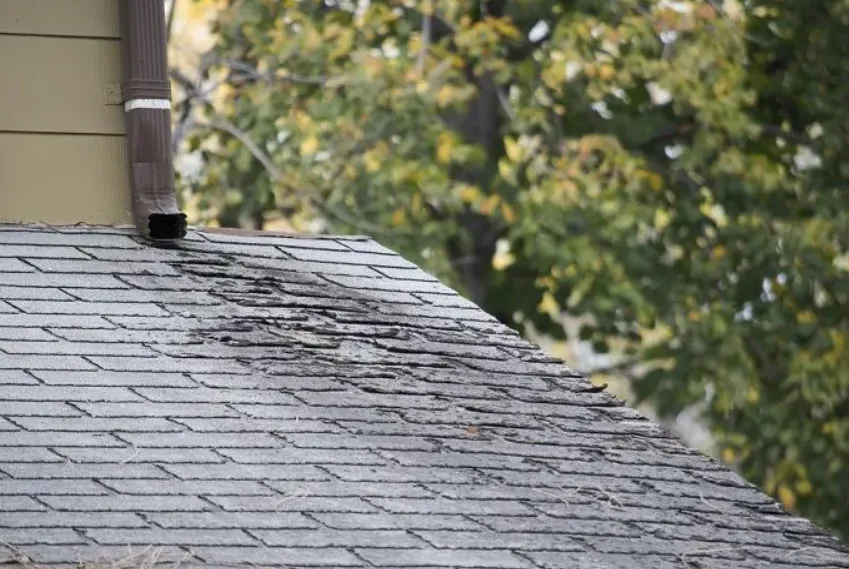
Roofers often begin by examining surface-level changes that indicate gradual aging. Shingles, tiles, or membranes may exhibit subtle discoloration, fading, or texture changes indicative of prolonged exposure to heat and moisture. These visual cues can reveal how materials are responding to environmental stress. Granule loss on asphalt shingles, for instance, often indicates reduced protection against ultraviolet exposure. Roofers also look for curling or warping edges, which may signal trapped moisture or uneven expansion. During routine evaluations, Phoenix roofing contractors often encounter accelerated surface wear due to prolonged sun exposure, making early visual assessment especially important. These surface indicators allow roofers to predict potential vulnerabilities before leaks or structural issues develop.
- Moisture Patterns and Drainage Irregularities
Water behavior plays a major role in how roofers assess deterioration. Even without active leaks, moisture patterns can reveal hidden problems. Roofers observe staining, algal growth, or debris accumulation, as these can indicate poor drainage or uneven slopes. Standing water after rainfall suggests that water is not flowing as intended, which can accelerate material breakdown. Over time, trapped moisture may compromise underlayment layers and structural components. Roofers also inspect flashing and sealant areas, as these transition points are common points of water intrusion. Identifying moisture-related patterns early helps prevent interior damage and supports long-term roof performance.
- Structural Alignment and Subtle Deformation
Beyond surface materials, roofers pay close attention to the roof’s overall shape and alignment. Slight sagging, uneven ridgelines, or subtle dips can indicate underlying stress on the roof deck or support framing. These changes may result from prolonged moisture exposure, temperature fluctuations, or gradual material fatigue. Roofers assess these conditions by observing the roofline from multiple angles and checking attic spaces when accessible. Early structural deformation does not always mean immediate failure, but it signals the need for corrective action. Addressing alignment issues early helps preserve both the roof system and the building’s structural integrity.
- Flashing, Seams, and Connection Points
Roofers understand that roof failures frequently begin at connection points rather than across open surfaces. Flashing around chimneys, vents, skylights, and edges is carefully examined for separation, corrosion, or sealant breakdown. Seams in membrane systems or joints between tiles are also assessed for movement or gaps. These areas expand and contract differently from surrounding materials, making them more vulnerable over time. Roofers look for early separation or hardening of sealants that may compromise waterproofing. Addressing connection point issues early reduces the risk of hidden leaks that can spread unnoticed within roof assemblies.
- Interior Indicators Linked to Exterior Wear
While roof inspections often focus on exterior surfaces, roofers also consider interior signs that reflect roof condition. Discoloration on ceilings, faint odors, or increased indoor humidity may signal early roof deterioration. Roofers correlate these interior indicators with exterior observations to identify the source of potential issues. Attic spaces provide valuable insight, revealing insulation dampness, ventilation challenges, or subtle water intrusion. By connecting interior and exterior findings, roofers develop a clearer picture of overall roof health. This comprehensive approach supports more accurate recommendations and prevents misdiagnosis.
Identifying early signs of roof wear and deterioration requires careful observation, experience, and an understanding of how materials respond to environmental stress. Roofers rely on surface changes, moisture behavior, structural alignment, and connection point conditions to assess roof health. These indicators often appear gradually, making routine inspections valuable for timely intervention. Addressing minor concerns early helps reduce long-term costs and preserves building performance. For homeowners, understanding how roofers identify early wear reinforces the importance of proactive care. Early recognition supports informed decisions and helps protect residential and commercial properties alike.

I’m Leo Knox, the wordplay wizard behind WordsTwists.com where I turn everyday meanings into funny, clever, and creative twists. If you’re tired of saying things the boring way, I’ve got a better (and funnier) one for you!