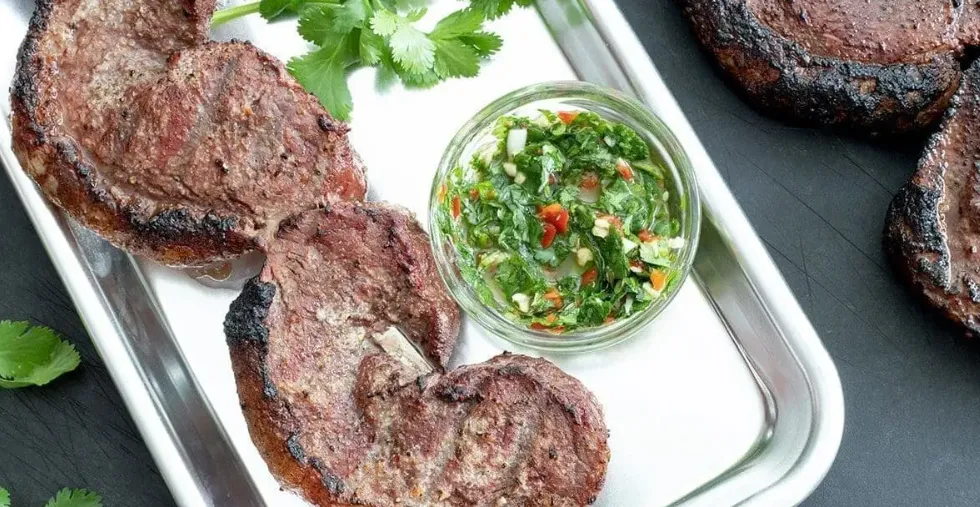
Cooking a premium cut of beef well is not simply a matter of applying heat. It requires an understanding of how the muscle behaves, how fat renders, and how timing affects the final texture and flavor on the plate. For home cooks and professional kitchen staff alike, working with a high-quality cut means the margin for error is smaller — not because the cut is fragile, but because its qualities are worth preserving with care.
The coulotte, also known as the top sirloin cap or picanha in Brazilian culinary tradition, is a cut that rewards patience and precision. It is not particularly difficult to prepare, but it does respond strongly to how it is handled at each stage. When the source material is a well-bred, well-raised animal — and when the cut has been properly trimmed and prepared — the difference between a good result and a great one often comes down to temperature management, seasoning decisions, and how the meat is allowed to rest.
This guide addresses each of those factors in practical terms, not as abstract rules but as connected decisions with real consequences for the finished dish.
Understanding What Makes This Cut Distinct
The coulotte sits at the top of the sirloin, just above the round. It is defined by a thick, intact fat cap that runs across one side of the muscle. This cap is not incidental — it is part of what makes the cut cook the way it does. During high-heat cooking, the fat renders slowly from the surface, basting the meat and contributing to crust formation. The muscle itself is moderately tender with a noticeable grain, which makes slicing direction as important as cooking method.
When sourced from Black Angus cattle, the cut benefits from the breed’s well-documented marbling characteristics. The intramuscular fat in black angus coulotte steak distributes through the muscle in a way that supports even cooking and contributes to flavor without overwhelming the natural beefiness of the cut. For those interested in the full range of preparations and sourcing options available for this cut, resources on black angus coulotte steak offer a useful reference point for understanding grade, trim, and preparation considerations.
Why the Fat Cap Matters Operationally
In many cuts, surface fat is trimmed before cooking to reduce flare-ups or improve presentation. With the coulotte, keeping the fat cap largely intact during cooking is not optional — it is part of the technique. The fat acts as a thermal buffer, slowing the rate at which the outer layer of meat reaches high temperatures. This means the interior has more time to come up to temperature gradually, which reduces the risk of overcooking the outer band of meat while waiting for the center to reach the right internal temperature.
For cooks working at volume — whether in a restaurant kitchen or preparing for a large gathering — this characteristic also means the cut is more forgiving over direct heat than many leaner alternatives. A few extra seconds on a grill does not necessarily result in a dry steak, provided the fat cap is doing its job and the cook is monitoring internal temperature rather than relying solely on time.
Seasoning: What Works and Why
Seasoning a thick-cut steak is not just about flavor — it is about creating the right surface conditions for the cooking method being used. Salt, in particular, does more than add taste. Applied well before cooking, it draws moisture to the surface, which then reabsorbs into the meat along with the dissolved mineral, affecting both texture and the speed at which a crust forms during searing.
The coulotte’s fat cap changes how seasoning behaves on the surface. Fat does not absorb salt the way lean muscle does, which means the fat side of the steak requires a different approach than the lean side. Applying salt to the fat cap is still worthwhile — it contributes to crust development and flavor — but it should not be expected to penetrate deeply into the fat tissue itself.
Simple Seasoning Versus Complex Rubs
There is a persistent debate in professional kitchens about whether high-quality beef should be seasoned simply or given a fuller treatment with spices, herbs, and aromatics. For a black angus coulotte steak, the answer depends on the cooking method and the final presentation context. Over live fire or a very hot cast iron surface, a simple application of coarse salt and cracked pepper allows the natural Maillard reaction to develop a crust with its own complexity. The heat does the work.
When cooking low-and-slow, or when finishing in an oven after an initial sear, there is more room to include aromatics. Crushed garlic, fresh thyme, or smoked paprika can be worked into a loose paste with oil and applied before cooking. These additions do not mask the beef’s character — they frame it. The key is restraint. A cut of this quality does not need to be hidden behind aggressive seasoning; it needs to be supported by it.
Timing Your Seasoning Application
When salt is applied immediately before cooking, it draws moisture to the surface but does not have time to reabsorb. This can lead to a slightly steamed surface rather than a clean sear. Applying salt well ahead of cooking — ideally several hours in advance — allows the moisture cycle to complete, resulting in a drier surface that develops a better crust under heat. This is one of the more practical steps a cook can take to improve results without changing any equipment or technique.
Temperature Management Through the Cook
Internal temperature is the most reliable indicator of doneness for any thick cut of beef, and the coulotte is no exception. Visual cues and touch tests have their place for experienced cooks, but they introduce variability that becomes consequential when working with premium product. A probe thermometer removes the guesswork and allows the cook to respond to what is actually happening inside the meat rather than estimating based on surface appearance.
According to food safety guidance from the USDA Food Safety and Inspection Service, whole muscle beef should reach a minimum internal temperature to be considered safe, though many cooks and dining contexts prefer finishing temperatures well above that floor for quality reasons rather than safety ones. Understanding the difference between a safe cook and a preferred cook allows for informed decisions rather than rigid rule-following.
Starting Temperature and Its Effect on the Final Result
Cooking a steak directly from refrigeration results in a longer cook time and a greater risk of an overcooked outer layer before the center reaches the target temperature. Allowing the meat to rest at room temperature for a period before cooking reduces this gradient. The center warms slightly, the cook is shorter, and the band of overcooked meat around the edge is narrower. This is a minor adjustment with a noticeable effect on cross-section consistency.
For the coulotte specifically, this matters because the cut is often prepared as a whole roast before being sliced. A roast cooked from a cold starting point will show a wider grey band on the edges relative to the pink interior. Bringing the meat partway to room temperature before cooking narrows that band and improves the visual result of each slice.
Using Two-Stage Cooking for Consistency
A two-stage cooking method — low heat to bring the meat to just below the target internal temperature, followed by high heat to develop the crust — is well-suited to the coulotte. The low stage can be accomplished in an oven, on a cooler section of a grill, or through a water bath method. The high stage involves direct, intense heat on all sides of the meat, including the fat cap, to create the surface texture that defines the finished dish.
This approach is particularly useful when cooking multiple portions at once, since it separates the temperature-management phase from the crust-development phase. Each stage can be monitored and controlled independently, which reduces the pressure on the cook during service or during a large meal preparation.
Resting: The Step That Affects Every Slice
Resting a cooked steak is not a formality — it is a functional step that directly affects how the meat holds together when cut and how much moisture remains in each slice. During cooking, the proteins in the muscle contract and push moisture toward the center of the cut. Given time to rest off the heat, those proteins relax and the moisture redistributes more evenly through the muscle. Cutting too soon releases that concentrated moisture onto the cutting board rather than retaining it in the meat.
For a coulotte prepared as a whole roast, resting time is more significant than it would be for a thinner individual steak. A larger mass takes longer to equalize internally, and the benefit of resting scales with the size of the cut. Rushing this step — particularly when the meat has been cooked to a lower finishing temperature — compounds the loss of quality that results from cutting while the muscle is still under tension.
Resting Conditions and Carry-Over Heat
Carry-over cooking occurs after the heat source is removed. The exterior of the meat is hotter than the interior, and that heat continues to move inward while the steak rests. This means the internal temperature will continue to rise for a period after the meat leaves the heat. A cook targeting a specific finishing temperature needs to account for this and pull the meat from the heat slightly before the target is reached, not at it.
Resting on a wire rack rather than a flat surface allows air to circulate under the cut, preventing the bottom from continuing to cook from residual surface heat. Tenting loosely with foil retains warmth without trapping steam, which would soften the crust that took effort to develop.
Bringing It All Together at the Table
The decisions made before a coulotte steak reaches the table — how it is seasoned and when, how it is brought to temperature, how it is cooked, and how long it rests — are cumulative. No single step overrides the others. A well-seasoned steak cooked at the wrong temperature loses much of the benefit of the seasoning work. A perfectly cooked steak cut immediately off the heat sacrifices the moisture retention that resting provides.
What makes this cut satisfying to work with is that it responds clearly and honestly to each of these decisions. There is a directness to it. When each step is handled with care, the result reflects that care. When shortcuts are taken, the steak tells you plainly. For anyone working regularly with high-quality beef, the coulotte offers a reliable way to develop a consistent process — because its characteristics make both successes and missteps easy to trace back to their cause.
Understanding the cut, its fat structure, its grain, and its behavior under heat makes every subsequent cooking decision easier to make with confidence. The framework described here is not rigid — it adapts to different cooking environments and preferences — but it provides a grounded starting point for anyone looking to get reliable, repeatable results from one of the more rewarding cuts available in the sirloin family.

I’m Leo Knox, the wordplay wizard behind WordsTwists.com where I turn everyday meanings into funny, clever, and creative twists. If you’re tired of saying things the boring way, I’ve got a better (and funnier) one for you!