Garage doors are among the most frequently used mechanical systems in a home, yet they are often taken for granted until something goes wrong. Opening and closing multiple times a day, they rely on a combination of moving parts, electrical components, and structural alignment to function smoothly. Over time, wear, environmental factors, and minor misalignments can lead to noticeable problems. A malfunctioning garage door is more than an inconvenience; it can affect home security, daily routines, and safety. Understanding the most common causes of garage door malfunctions helps homeowners recognize early warning signs, make informed decisions, and reduce the likelihood of sudden breakdowns that disrupt everyday life.
Key Areas That Affect Garage Door Performance
- Wear and Tear on Moving Components
One of the most common causes of garage door malfunctions is gradual wear on moving components. Springs, rollers, hinges, and cables are under constant stress as the door moves up and down. Over time, metal components can weaken, rollers can lose smooth rotation, and hinges may loosen or crack. This wear often develops slowly, making it easy to overlook until the door begins to move unevenly or produce unusual noises. In areas with pronounced seasonal temperature changes, expansion and contraction can accelerate this process. Homeowners seeking garage door repair in Vancouver often encounter issues stemming from long-term wear and environmental exposure, underscoring how everyday use gradually degrades system reliability when maintenance is delayed.
- Spring Imbalance and Loss of Tension
Garage door springs play a critical role in counterbalancing the door’s weight, allowing it to open and close with minimal effort. When springs lose tension or break, the door may become difficult to lift, close unevenly, or fail to stay open. Spring issues can develop from repeated use, corrosion, or age. Because springs operate under high tension, even small changes can significantly affect performance. A door with compromised springs may place additional strain on the opener and other components, leading to further malfunctions. Recognizing changes in how the door feels during operation can help identify spring-related problems early.
- Track Misalignment and Structural Shifts
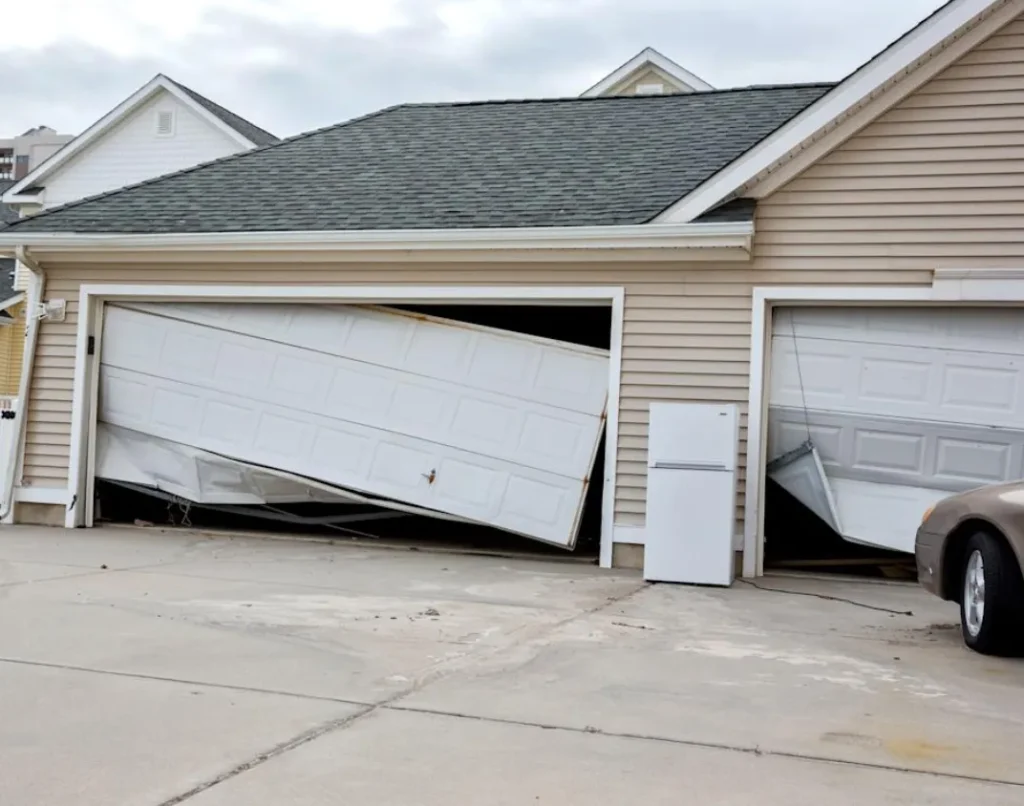
Garage door tracks guide the door’s movement and must remain properly aligned for smooth operation. Misalignment can occur due to impact, structural settling, or gradual loosening of mounting hardware. When tracks shift even slightly, the door may bind, shake, or come off its path. This can result in uneven movement or sudden stops during operation. Structural shifts within the garage can also affect track alignment over time. These issues often worsen if ignored, as continued operation under misaligned conditions increases stress on rollers and panels. Early attention to track alignment helps maintain consistent performance and reduces the risk of more extensive damage.
- Opener and Electrical System Issues
Modern garage doors often rely on electric openers and control systems that introduce additional points of failure. Wiring issues, worn sensors, or control board malfunctions can interrupt communication between the opener and the door. Sensors designed to prevent accidents may become misaligned or obstructed, causing the door to stop unexpectedly. Power fluctuations or aging electrical components can also affect the reliability of the opener. While these issues may seem intermittent at first, they often indicate underlying electrical wear. Understanding the role of the opener system helps homeowners distinguish between mechanical and electrical causes when troubleshooting performance problems.
- Environmental Factors and External Damage
Environmental conditions significantly affect garage door performance. Moisture can lead to corrosion on metal parts, while dust and debris can accumulate in tracks and rollers. Extreme temperatures may affect lubrication and material flexibility. External damage from vehicles, falling objects, or severe weather can bend panels or disrupt alignment. These factors may not cause immediate failure but often contribute to a gradual decline in operation. Regular inspection after significant weather events or accidental impact helps identify problems before they escalate into full malfunctions.
- Lack of Routine Maintenance
Another major contributor to garage door malfunctions is the absence of routine maintenance. Lubrication, tightening hardware, and inspecting components help keep the system operating smoothly. Without periodic care, friction increases, parts loosen, and minor issues go unnoticed. Over time, neglected maintenance can lead to compounded problems affecting multiple components. Many malfunctions attributed to part failure could have been prevented or delayed through basic maintenance. Understanding the importance of routine attention helps homeowners maintain reliability and reduce unexpected disruptions.
- Panel Damage and Door Balance Issues
Garage door panels must remain aligned and balanced to distribute weight evenly. Dents, warping, or structural damage to panels can shift this balance, causing uneven movement. When balance is compromised, the opener and springs must work harder, increasing wear on the system. Panel damage may result from impact or prolonged exposure to moisture and temperature changes. Addressing panel issues early helps maintain overall system harmony and prevents strain on interconnected components.
Recognizing Problems Before They Escalate
Garage door malfunctions are rarely the result of a single issue; they often stem from a combination of wear, alignment changes, environmental factors, and maintenance gaps. Understanding these common causes empowers homeowners to recognize early warning signs and take timely action. From worn components and spring imbalance to track misalignment and electrical issues, each factor affects the system’s overall performance. Awareness and routine attention help maintain safety, reliability, and convenience. By identifying problems early and understanding their origins, homeowners can reduce disruption, extend the life of their garage door system, and maintain smooth daily operation.

I’m Leo Knox, the wordplay wizard behind WordsTwists.com where I turn everyday meanings into funny, clever, and creative twists. If you’re tired of saying things the boring way, I’ve got a better (and funnier) one for you!