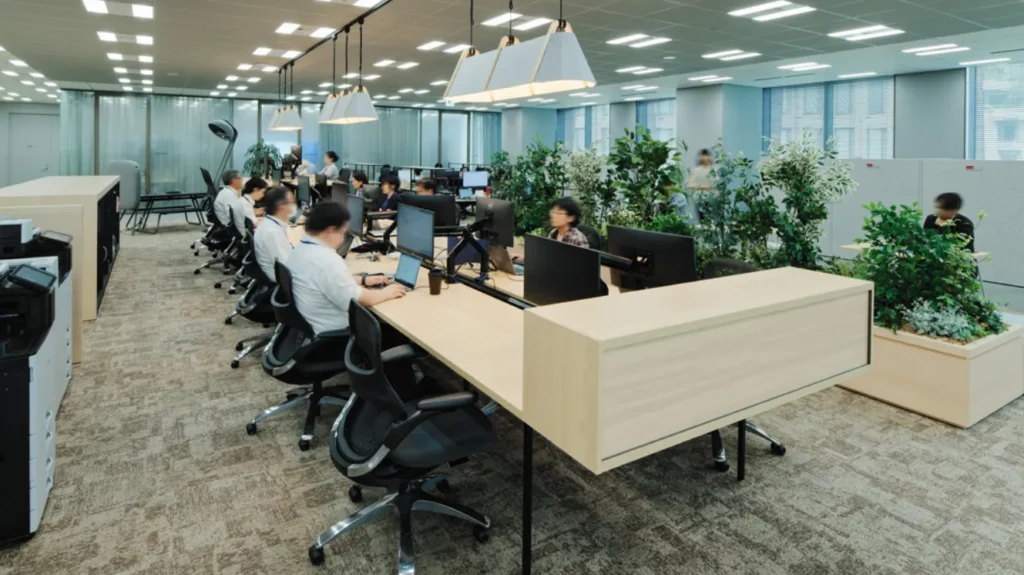
Office furniture quietly shapes how people experience their workday. From the moment someone sits down to begin tasks until the day ends, desks, seating, and storage guide posture, movement, and interaction. As work environments continue to change, furniture has taken on a more active role in supporting comfort and efficiency. Thoughtful office furniture choices can help reduce distractions, encourage focus, and support collaboration without drawing attention to themselves. Understanding how furniture supports daily routines enables organizations and individuals to create workspaces that feel intentional, balanced, and adaptable to modern demands.
Key Themes in Office Furniture
- Layout Planning and Space Utilization
The arrangement of office furniture plays a major role in how effectively a workspace functions. Desks with adequate spacing allow comfortable movement, while thoughtful storage placement reduces clutter and interruptions. When layout planning aligns with how people actually work, it supports smoother transitions between tasks. Open layouts encourage communication, while more structured arrangements support focused work. Furniture dimensions and placement affect lighting, circulation, and noise levels. A well-planned layout helps employees feel oriented and reduces the physical effort required to navigate the workspace. Over time, efficient space utilization supports productivity by allowing people to focus on work rather than adjusting to their environment.
- Sourcing Furniture and Purchasing Decisions
Choosing office furniture involves balancing availability, cost, and functional needs. Organizations often evaluate durability, delivery timelines, and configuration options before making purchases. Online purchasing has become a common approach for efficiently comparing styles and dimensions, especially when teams are expanding or reconfiguring. Many decision-makers review top office furniture stores online to assess variety and logistics, and to align purchases with budget constraints. Sourcing decisions also influence how quickly spaces can be updated to meet new demands. Thoughtful purchasing supports consistency across work areas and reduces delays that can disrupt daily operations.
- Materials, Durability, and Everyday Use
The materials used in office furniture influence both comfort and longevity. Surfaces must withstand frequent contact, while frames support repeated movement and weight. Material selection affects maintenance requirements and the rate at which furniture ages. Durable finishes help preserve the appearance of the surface despite daily use, contributing to a professional atmosphere. At the same time, materials influence how furniture feels during long hours, from temperature control to surface texture. Selecting materials that balance resilience with comfort supports consistent performance and reduces replacement frequency. This attention to material quality helps offices remain functional as usage patterns evolve.
- Supporting Collaboration Through Furniture Design
Office furniture shapes how people collaborate by influencing proximity and interaction. Shared tables, meeting surfaces, and informal seating areas create opportunities for discussion and teamwork. Furniture design affects whether collaboration feels spontaneous or structured. Comfortable seating and accessible surfaces help participants stay engaged during meetings. The size and shape of collaboration furniture also influence group dynamics, encouraging equal participation or focused leadership as needed. By supporting varied collaboration styles, furniture helps teams work together more effectively without relying solely on technology or policies.
- Flexibility and Adaptation Over Time
Modern workspaces benefit from furniture that adapts to change. Modular desks, movable storage, and adjustable seating allow offices to respond to shifting team sizes and work styles. Flexibility supports project-based work and hybrid schedules by allowing spaces to be reconfigured without major disruption. Furniture that adapts easily helps organizations remain responsive rather than static. Over time, adaptable furniture reduces the need for complete redesigns and supports long-term planning. This flexibility is increasingly important as workplaces continue to evolve.
- Maintenance and Long-Term Performance
Office furniture experiences consistent wear, making maintenance an important part of long-term performance. Regular checks help ensure drawers, joints, and adjustable components function smoothly. Simple care routines extend furniture lifespan and preserve comfort. When maintenance is considered during selection, furniture remains reliable despite heavy use. Long-term performance supports cost efficiency and reduces downtime caused by repairs or replacements. Well-maintained furniture continues to support daily tasks without becoming a distraction.
Office furniture plays a foundational role in shaping how workspaces function and feel. From layout planning and sourcing decisions to material choices and flexibility, furniture influences comfort, productivity, and collaboration. Thoughtful selection and placement support environments that adapt to changing needs while maintaining consistency. Rather than serving as background elements, furniture pieces contribute directly to daily routines and long-term efficiency. By approaching office furniture with intention, organizations and individuals can create workspaces that remain supportive, practical, and responsive over time.

I’m Leo Knox, the wordplay wizard behind WordsTwists.com where I turn everyday meanings into funny, clever, and creative twists. If you’re tired of saying things the boring way, I’ve got a better (and funnier) one for you!